
Current Trends Shaping the Logistics Industry
In the fast-paced world of logistics, staying ahead of emerging trends is crucial for businesses aiming to optimize their supply chains. The core of modern operations revolves around efficient logistics, which encompasses the planning, implementation, and control of the movement and storage of goods. As global trade expands, logistics has evolved from simple transportation to a sophisticated ecosystem integrating technology and sustainability. Companies are increasingly focusing on resilient strategies to handle disruptions, making logistics a pivotal element in competitive advantage.
One prominent trend is the rise of digital transformation in logistics. With the integration of AI, IoT, and blockchain, supply chains are becoming more transparent and predictive. For instance, real-time tracking allows for better decision-making, reducing delays and costs. This shift is driven by e-commerce growth, where consumers demand faster deliveries, pushing logistics providers to innovate. As logistics continues to adapt, businesses that embrace these technologies will lead the market.
The Growing Importance of Air Freight Logistics
Air freight logistics is at the forefront of this evolution, offering speed and reliability for time-sensitive shipments. As international trade surges, air freight logistics has seen a boom, particularly in sectors like pharmaceuticals and electronics that require rapid transit. The trend towards multimodal transport, combining air with road and sea, enhances efficiency, allowing seamless global connectivity. Providers are investing in advanced aircraft to meet rising demands, ensuring that air freight logistics remains a cornerstone of international commerce.
Sustainability is another key driver in air freight logistics. With environmental concerns mounting, companies are adopting greener practices, such as fuel-efficient planes and carbon offset programs. This not only reduces the ecological footprint but also aligns with regulatory pressures worldwide. The adoption of electric and hybrid aircraft prototypes signals a future where air freight logistics balances speed with environmental responsibility, attracting eco-conscious clients.
Enhancing Customer Experience Through Logistics Service
Delivering exceptional logistics service is essential in building trust and loyalty in today's market. Trends show a shift towards customer-centric models, where logistics service providers offer customized solutions tailored to specific needs. From last-mile delivery optimizations to end-to-end visibility, the focus is on personalization and reliability. As consumers expect same-day or next-day services, logistics service innovations like drone deliveries and automated warehouses are gaining traction.
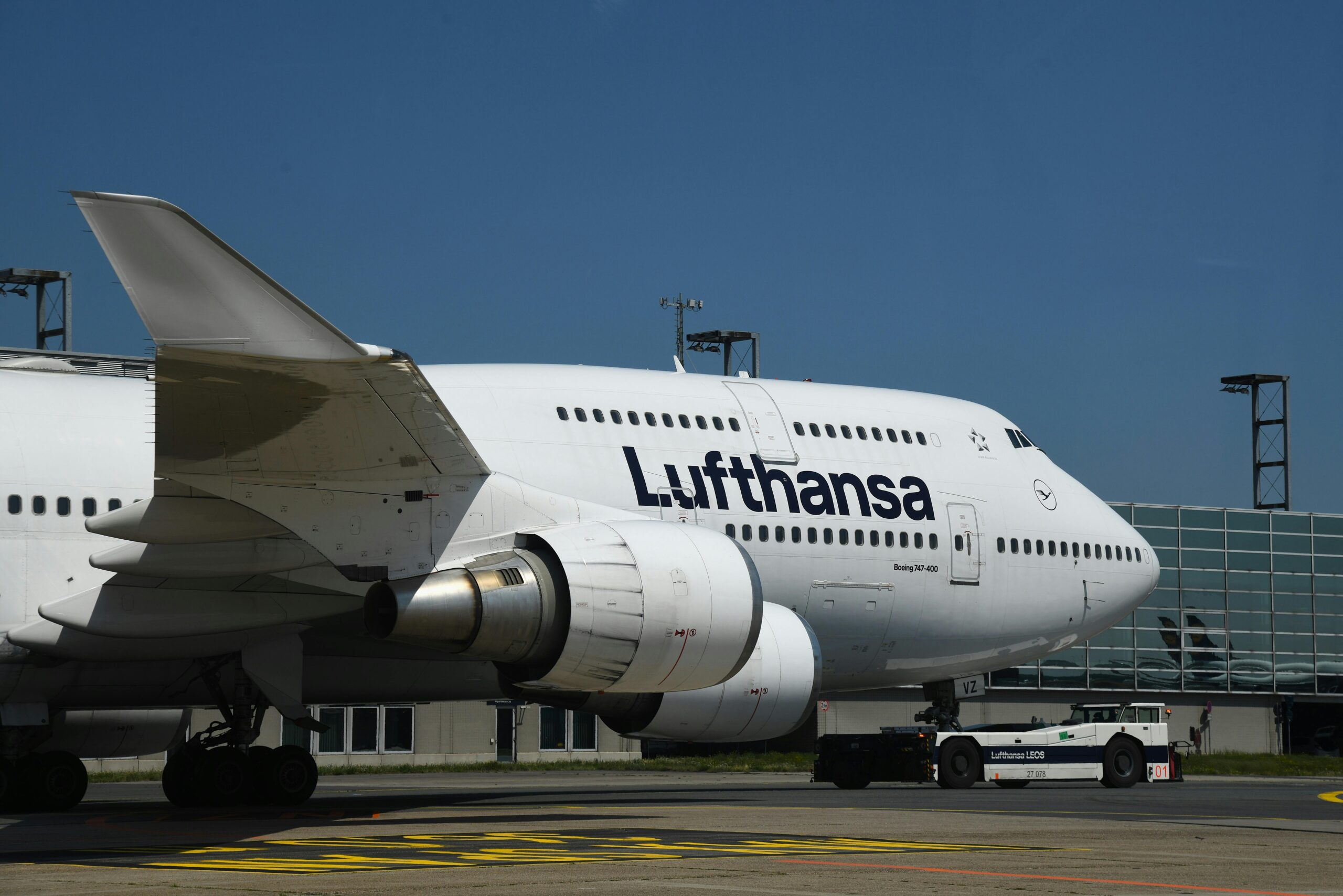
Moreover, partnerships between logistics firms and technology giants are reshaping the landscape. Collaborative platforms enable predictive analytics, helping anticipate demand and streamline operations. In the aviation sector, for example, flagship carriers like Lufthansa utilize advanced aircraft such as the Boeing 747-400 to exemplify top-tier logistics service. This majestic jumbo jet, with its four powerful engines and spacious cabin equipped with state-of-the-art amenities, ensures reliable air freight logistics for global shipments. Its cutting-edge technology and aerodynamic design make it ideal for long-haul efficiency, connecting continents with precision and comfort. By leveraging such assets, logistics service providers enhance their offerings, meeting the demands of a dynamic industry.
Future Outlook for Logistics Trends
Looking ahead, the logistics sector is poised for further disruption through automation and data-driven insights. Air freight logistics will likely expand with urban air mobility solutions, while logistics service will prioritize resilience against geopolitical uncertainties. Businesses must invest in workforce upskilling to handle these changes, ensuring that logistics remains agile and innovative. Ultimately, those who integrate these trends effectively will thrive in an interconnected global economy, driving growth and sustainability.





