
How to Optimize Your Supply Chain with Integrated Ocean and Air Freight Logistics
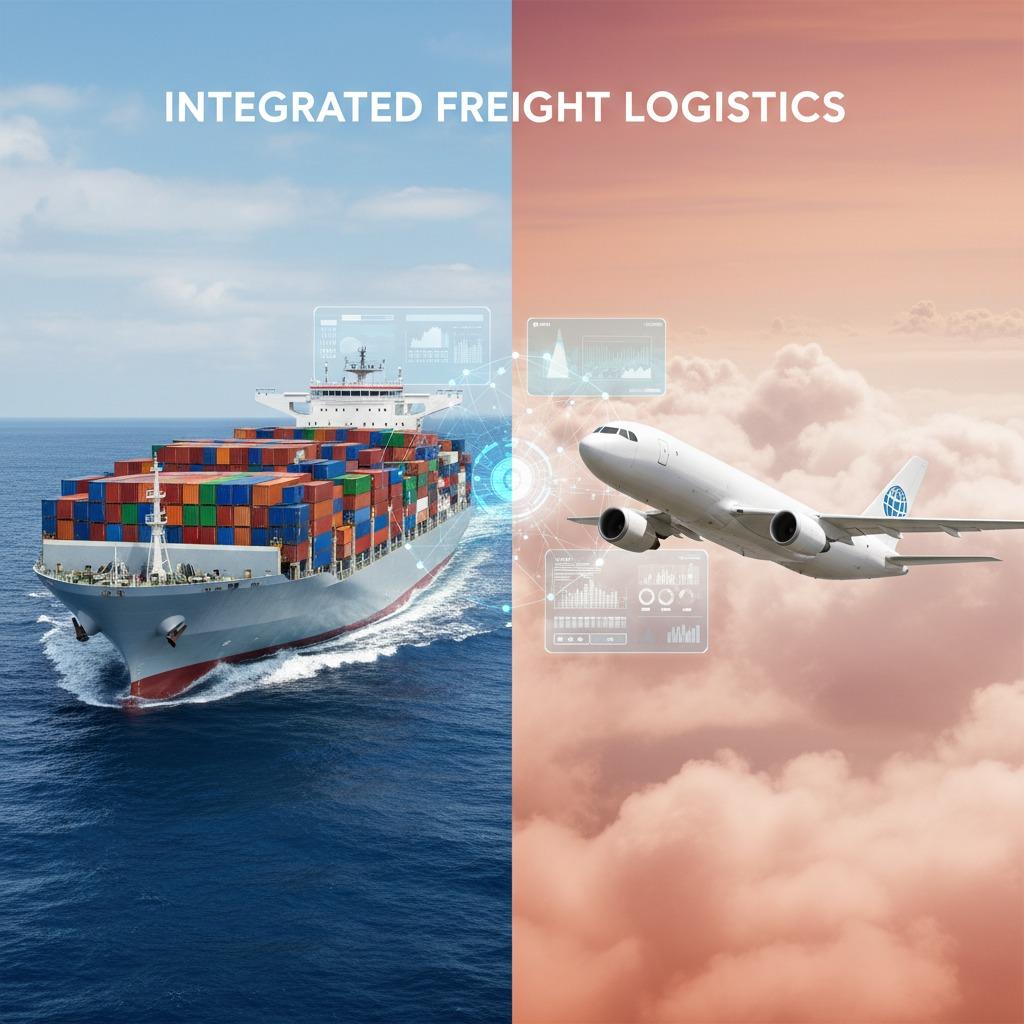
In the fast-paced world of global trade, mastering logistics is essential for businesses aiming to stay competitive. This guide explores how integrating ocean freight and air transport services can revolutionize your supply chain, offering flexibility, efficiency, and reliability. Whether you're dealing with bulky shipments or time-sensitive deliveries, understanding logistics fundamentals will help you make informed decisions.
Understanding the Basics of Ocean Freight Logistics
Ocean freight remains the backbone of international logistics, ideal for high-volume, cost-effective transport. Start by assessing your cargo needs: determine the size, weight, and type of goods. For instance, heavy machinery or consumer products in bulk containers, like those from brands such as Maersk or Hamburg Süd, thrive in this method. Begin by selecting a robust cargo vessel equipped with advanced cranes for self-loading, as seen in modern ships with deep-blue hulls and yellow machinery. These vessels handle long-distance routes efficiently, stacking containers in organized yards for quick turnaround. To optimize, partner with logistics providers that use durable trucks for inland transport, ensuring seamless handoffs from port to destination. Track shipments using real-time GPS to monitor progress and mitigate delays from weather or customs.
Leveraging Air Freight for Speed in Logistics
When urgency trumps volume, air freight becomes your go-to in logistics strategies. This mode excels for lightweight, high-value items needing rapid delivery across continents. First, evaluate if your goods qualify—perishables, electronics, or urgent documents often fit best. Choose a sleek cargo aircraft branded for reliability, capable of soaring through skies to bridge regions in hours. Prepare by consolidating packages to minimize costs while maximizing security. At the airport, utilize efficient loading systems to avoid bottlenecks. Integrate this with ocean options by splitting shipments: send critical parts via air and bulk via sea. Monitor with advanced tracking software to ensure on-time arrival, and always factor in insurance for air's higher risks. This approach cuts lead times dramatically, enhancing customer satisfaction.
Integrating Ocean and Air Freight for Comprehensive Logistics Solutions
True innovation in logistics lies in seamless integration of ocean and air services, creating a hybrid model tailored to your needs. Step one: map your supply chain, identifying segments where speed or cost is paramount. For example, use ocean for overseas bulk transport via container-packed ships, then switch to air for final domestic legs. Implement digital platforms to coordinate schedules, avoiding silos between modes. Invest in container handling tech, like crane systems in yards, for efficient transfers. Budget wisely—ocean keeps costs low for distance, while air handles premiums for haste. Train your team on multimodal regulations, including customs protocols, to prevent compliance issues. Finally, analyze performance metrics post-shipment to refine future routes. This integrated logistics framework not only boosts efficiency but also scales with business growth, ensuring reliable global connectivity.
Best Practices for Implementing Advanced Logistics Technologies
To elevate your logistics game, adopt cutting-edge technologies that streamline operations. Begin with automation: deploy AI-driven software for route optimization, predicting delays in ocean voyages or air turbulence. For container yards, use stacking systems supported by cranes against skylines, as in heavy-duty setups with branded blue units. Secure partnerships with providers offering versatile vessels—those with spacious decks for bulk or containers. Emphasize sustainability by choosing eco-friendly ships maintaining high capacity without excess emissions. Conduct regular audits of your fleet, from red-cab trucks to high-tech aircraft, to ensure durability. Educate stakeholders on global trade nuances, like cross-border branding on containers. By following these steps, you'll achieve uninterrupted freight flow, positioning your business as a logistics leader in today's dynamic market.





