
What is Logistics and Why Does It Matter?
Logistics forms the backbone of modern supply chains, encompassing the planning, execution, and control of the movement and storage of goods, services, and information from origin to consumption. In today's global economy, effective logistics ensures that products reach their destinations efficiently, reducing costs and improving customer satisfaction. Whether you're managing a small business or overseeing international trade, understanding logistics is crucial for seamless operations.
How Does the ZPMC 80T Gantry Crane Enhance Logistics?
The ZPMC 80T Gantry Crane stands out as a powerhouse in logistics, particularly in port and shipping environments. With its impressive 80-ton lifting capacity, this crane is designed by the renowned manufacturer ZPMC to handle heavy cargo with precision. It excels in stacking and moving shipping containers, optimizing space and flow in bustling ports. This equipment integrates seamlessly with air and sea logistics, showcasing the synergy vital for global trade. Safety and stability are paramount, even under heavy workloads, making it indispensable for uninterrupted operations in shipping hubs and industrial docks.
But how exactly does it contribute to better logistics? The crane's towering design allows for minimal effort in cargo handling, which speeds up turnaround times for vessels and reduces downtime. In scenarios involving dynamic freight movements, such as combining air cargo with sea shipments, the ZPMC 80T ensures reliability. For businesses dealing with high-volume logistics, investing in such robust infrastructure translates to enhanced efficiency and cost savings over time.
What Role Does Automation Play in Modern Logistics?
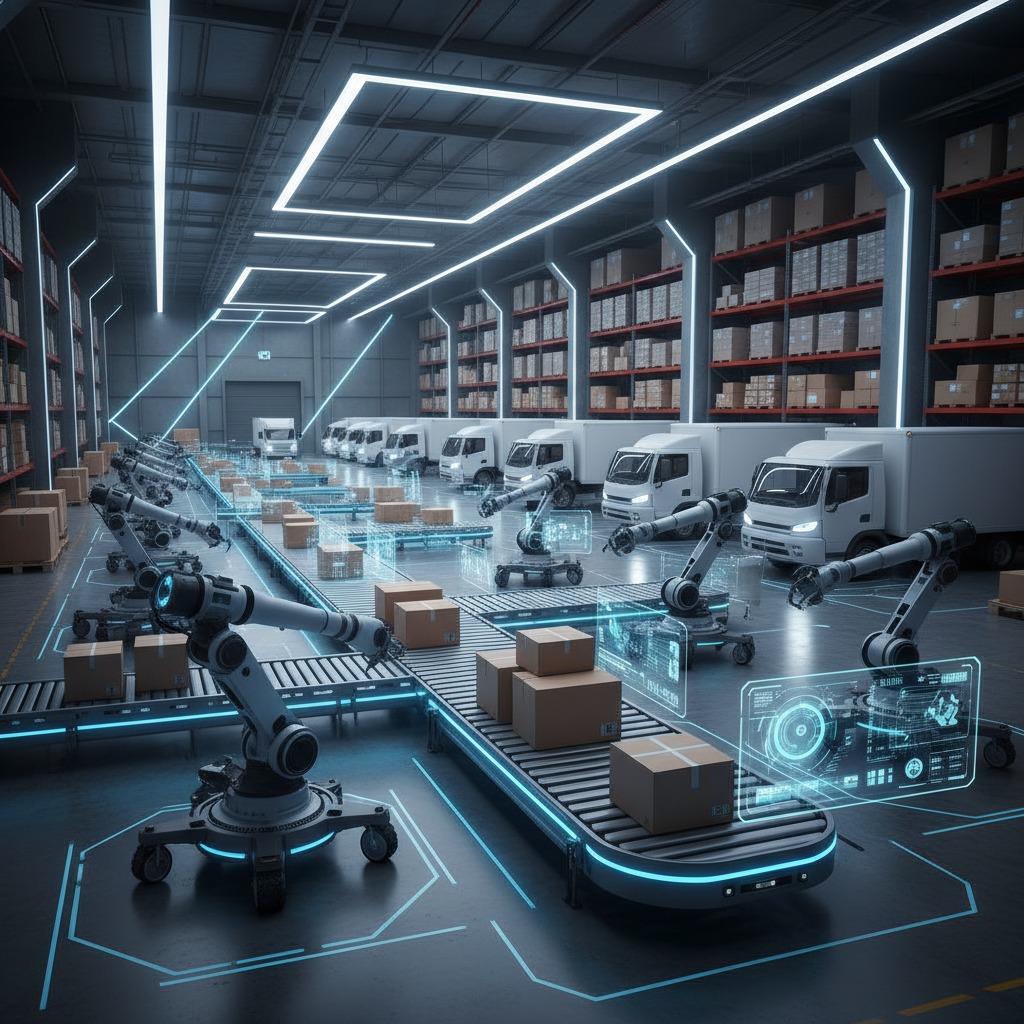
Automation is transforming logistics by streamlining warehouse operations and inventory management. Our state-of-the-art automated warehouse system features advanced robotic arms and autonomous guided vehicles (AGVs) that work in harmony to organize and transport goods. Powered by AI and IoT, these technologies enable precise navigation, real-time tracking, and optimized routing, minimizing errors and boosting productivity. From storage to shipment, this system ensures a smooth end-to-end process, making logistics more intuitive and effective.
Frequently asked questions about automation in logistics often revolve around integration and benefits. For instance, how do AGVs avoid obstacles? Equipped with sensors and smart tech, they dynamically adjust paths for safety. Real-time analytics provide operators with insights, allowing for proactive decision-making. This blend of innovation future-proofs operations, addressing common pain points like manual handling delays and inventory inaccuracies.
How Can Accessories Improve Professional Logistics Interactions?
In the realm of logistics, professional interactions are key, especially in networking and deal-making. The Executive Handshake Enhancer is a subtle yet impactful accessory that elevates business attire. Crafted with a soft-touch finish and expert stitching, it offers comfort and elegance in shades like classic beige and refined blue. Perfect for boardroom meetings or port negotiations, it embodies confidence and sophistication, making every connection memorable.
Users often wonder about its practical use in logistics settings. This enhancer complements workwear, ensuring professionals appear polished during high-stakes discussions about supply chains or cargo handling. By adding a touch of style, it fosters better relationships with partners, indirectly supporting smoother logistics flows through stronger collaborations.
What Are Common Challenges in Logistics and How to Overcome Them?
Logistics faces challenges like supply chain disruptions, high costs, and regulatory compliance. Delays in port operations, for example, can cascade into broader issues. To overcome these, leverage tools like the ZPMC 80T Gantry Crane for efficient cargo movement and automated systems for predictive analytics. Diversifying transportation modes—combining air and sea—builds resilience.
Another frequent query is about cost management in logistics. Implementing automation reduces labor expenses, while precise equipment like gantry cranes minimizes waste. Training staff on these technologies ensures optimal use, addressing skill gaps. By focusing on integration and innovation, businesses can navigate complexities, ensuring logistics remains a competitive advantage.
Future Trends in Logistics: What to Expect?
Looking ahead, logistics will increasingly rely on AI-driven predictions, sustainable practices, and seamless digital integration. With tools like automated warehouses and advanced cranes, the industry is poised for greater efficiency. Sustainability questions are rising—how can logistics go green? Electric AGVs and optimized routing cut emissions, aligning with global standards.
In summary, mastering logistics involves embracing reliable equipment, automation, and professional tools to tackle FAQs on efficiency, safety, and innovation. By addressing these, operations become more robust and future-ready.





