
Understanding the Essentials of Logistics
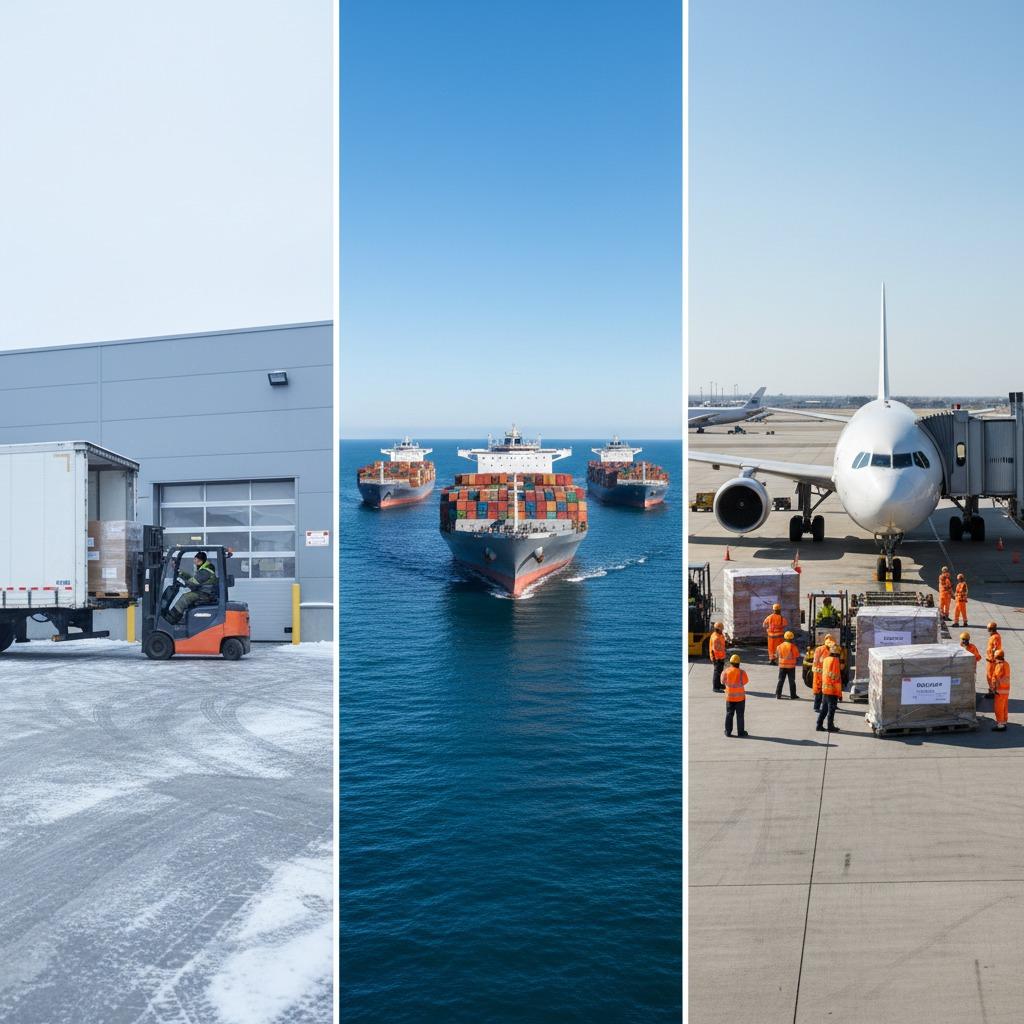
In the world of supply chain management, logistics stands as the backbone that ensures goods move efficiently from origin to destination. Logistics encompasses the planning, implementation, and control of the flow of goods, services, and information. This critical process not only optimizes transportation but also minimizes costs and enhances customer satisfaction. At its core, effective logistics integrates various modes of transport, including road, sea, air, and rail, to create seamless operations. For businesses dealing with perishable or time-sensitive items, mastering logistics is essential for maintaining product quality and meeting delivery deadlines.
Advancements in Cold Chain Logistics
One of the most exciting developments in logistics is the innovation in cold chain solutions, where temperature-controlled environments are paramount. State-of-the-art refrigerated trailers are designed with robust insulation and precision cooling technology to keep perishable goods fresh during transit. These trailers feature adjustable shelving for versatile payload configurations, ensuring optimal space utilization without sacrificing performance. Complementing these are electric lift trucks, with their compact designs and intuitive controls, which facilitate quick and safe loading in warehouses. Together, they streamline operations, reducing the risk of spoilage and enhancing overall efficiency in logistics. Statistics show that proper cold chain management can reduce food waste by up to 30%, underscoring the importance of these technologies in the industry.
Revolutionizing Maritime Logistics
Maritime logistics has seen transformative changes with the introduction of cutting-edge cargo vessels that prioritize efficiency and sustainability. These ships boast streamlined hulls for maximum speed and fuel economy, equipped with advanced GPS systems for precise navigation across global waters. Their expansive cargo holds accommodate vast arrays of goods, ensuring timely deliveries that support international trade. Built with eco-friendly technologies, such vessels significantly cut emissions, aligning with global environmental standards. For instance, modern fleets can reduce fuel consumption by 20% compared to older models, highlighting a shift towards greener practices in logistics. This evolution not only boosts reliability in diverse marine conditions but also sets new benchmarks for sustainable ocean transport.
The Role of Air Cargo in Modern Logistics
Air transportation plays a pivotal role in contemporary logistics, particularly for high-value or urgent shipments. Large cargo aircraft, with their aerodynamic designs, achieve remarkable fuel efficiency and speed, slashing transit times across continents. Sophisticated boarding bridges enable swift loading and unloading, minimizing delays in fast-paced operations. Ground support, including forklifts and labeled containers, ensures organized handling and accurate tracking. Personnel in high-visibility gear coordinate these efforts, emphasizing safety and teamwork. This integrated system is vital for e-commerce and global supply chains, where real-time visibility can improve delivery accuracy by 25%, according to industry reports. Logistics in the air sector exemplifies how technology fosters connectivity and innovation in worldwide commerce.
Future Trends in Logistics Optimization
Looking ahead, logistics is poised for further enhancements through digital integration and automation. The adoption of IoT devices for real-time monitoring, AI-driven route optimization, and blockchain for secure tracking will redefine efficiency. These trends promise to address challenges like supply chain disruptions, which affected 80% of businesses in recent years. By leveraging data analytics, companies can forecast demand more accurately, reducing inventory costs and improving responsiveness. As logistics continues to evolve, the focus on sustainability—such as electric vehicles and carbon-neutral shipping—will drive the industry towards a more resilient and eco-conscious future. Embracing these advancements ensures that logistics remains a competitive edge for global enterprises.





