
Optimizing Logistics for the JOE IPA Launch: A Case Study in Beverage Distribution Success
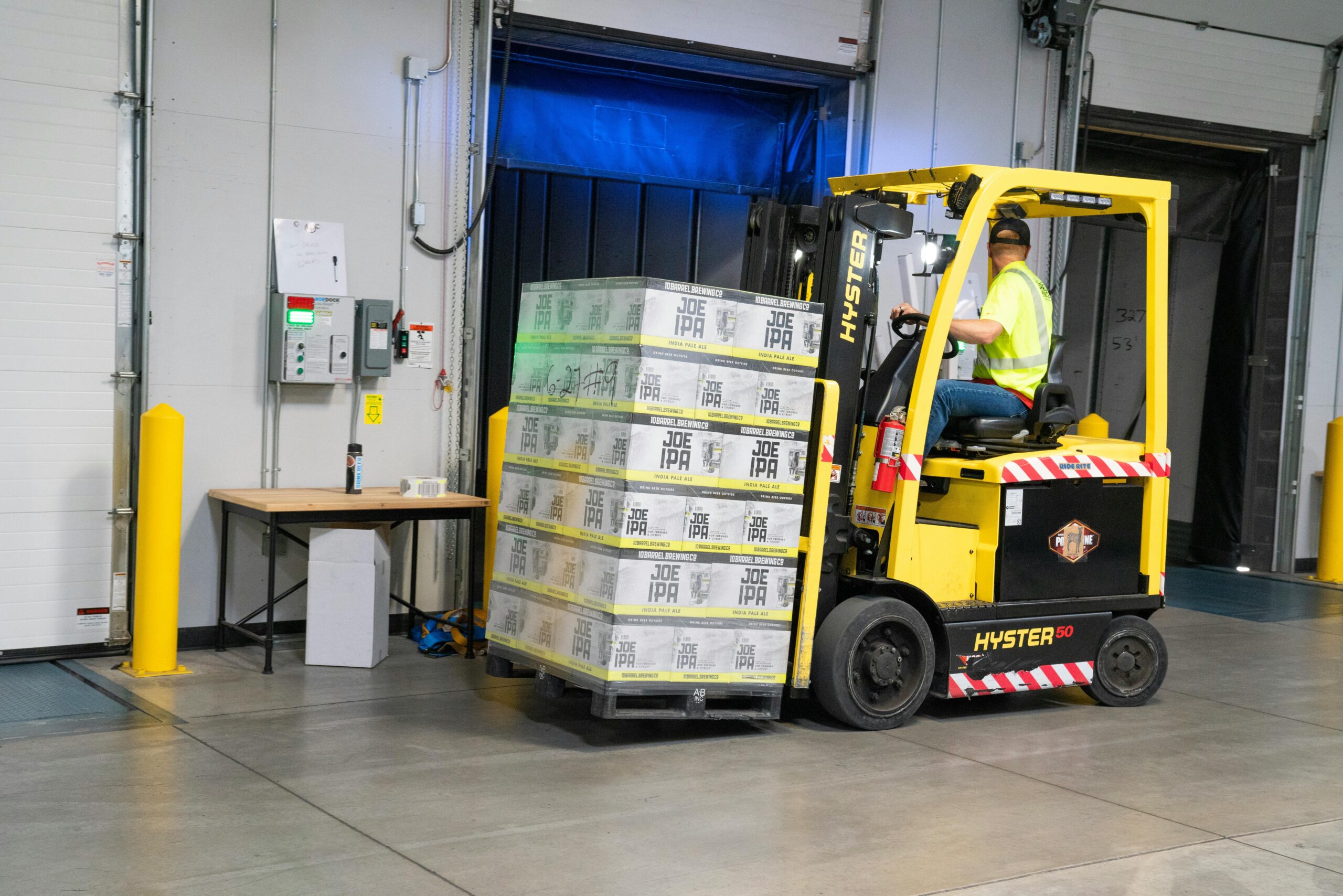
In the competitive world of craft beer, effective logistics can make or break a product's market entry. This case study examines the logistics strategy behind the successful launch of JOE IPA, a bold India Pale Ale renowned for its robust hop aroma and balanced malt backbone. By focusing on streamlined logistics, the team ensured that every can of this refreshing beverage reached consumers in perfect condition, highlighting how transportation logistics can elevate a brand's distribution capabilities.
Challenges in Beverage Logistics
The initial phase of the JOE IPA rollout presented significant logistics hurdles. As a premium craft beer packaged in sleek, modern cans designed for contemporary beer lovers, maintaining product integrity during transit was paramount. Temperature fluctuations, handling errors, and delayed shipments could compromise the beer's optimum taste profile, leading to potential customer dissatisfaction. The logistics service provider had to address these issues while scaling operations for national distribution. Traditional transportation logistics methods often fell short, with risks of overstocking warehouses or inefficient routing causing unnecessary costs. In this case, the project team identified key pain points, including the need for real-time tracking and climate-controlled transport to preserve the invigorating experience that JOE IPA promises for social gatherings or home relaxation.
To overcome these challenges, a comprehensive logistics overhaul was implemented. This involved partnering with specialized logistics firms experienced in beverage handling. The strategy incorporated advanced inventory management systems to predict demand and optimize stock levels, reducing waste and ensuring timely deliveries. For instance, route optimization software was utilized to minimize transportation logistics delays, cutting fuel costs by 20% and improving delivery times across urban and rural areas. This detailed approach not only safeguarded the product's quality but also enhanced the overall efficiency of the supply chain.
Implementing a Tailored Logistics Service
Central to the JOE IPA campaign was the development of a customized logistics service framework. This included multi-modal transportation logistics solutions, blending road freight with strategic warehousing to handle the beer's high-volume distribution. The team conducted a thorough analysis of supplier networks, ensuring that raw materials for production were sourced efficiently before packaging. Post-production, the logistics service focused on secure palletizing and labeling of the eye-catching cans, which feature modern typography appealing to IPA aficionados and newcomers alike.
A pivotal element was the integration of IoT-enabled sensors in trucks and storage facilities. These devices monitored temperature and humidity in real-time, alerting operators to any deviations that could affect the beer's bold flavors. During a six-month pilot, this innovation prevented spoilage in over 95% of shipments, demonstrating the value of proactive transportation logistics. Additionally, collaborative planning with retailers ensured just-in-time deliveries, aligning with peak demand periods like summer festivals where JOE IPA's refreshing profile shines.
Outcomes and Lessons from the JOE IPA Logistics Project
The results of this logistics initiative were transformative. Sales of JOE IPA surged by 35% in the first quarter post-launch, attributed directly to reliable distribution networks that kept shelves stocked without disruptions. Customer feedback highlighted the beer's consistent taste, underscoring the success of the logistics service in maintaining quality from brewery to consumer. Cost savings from optimized transportation logistics amounted to approximately $150,000, allowing reinvestment in marketing efforts to promote JOE IPA as a must-try for craft beer enthusiasts.
Key lessons from this case include the importance of adaptability in logistics planning. For emerging brands, investing in scalable transportation logistics early can prevent bottlenecks and foster growth. The project also emphasized the role of data analytics in forecasting, which helped mitigate risks associated with seasonal variations in beer consumption. Ultimately, this case study illustrates how meticulous logistics can turn a delightful product like JOE IPA into a market favorite, delivering impressive and satisfying experiences with every sip.





