
The ongoing conflict and geopolitical tensions in the Red Sea, particularly due to attacks on commercial vessels by Houthi rebels, have significantly impacted global shipping costs and logistics. The situation has forced many shipping companies to reroute their vessels around the Cape of Good Hope, adding considerable time and expense to their journeys. This rerouting increases shipping times by 30-50%, creating logistical challenges and adding approximately two weeks to voyages between Europe and Asia.
The immediate impact has been a sharp rise in shipping costs. For example, container spot freight rates have seen double-digit increases as companies grapple with the need for longer routes and increased fuel consumption. The Drewry World Container Index reported substantial weekly gains in freight rates, especially on major routes such as Shanghai to Rotterdam.
Additionally, the disruption has led to congestion at alternative ports and transshipment hubs. Major ports like Singapore and several in China, including Shanghai and Qingdao, have experienced significant delays, exacerbating the bottleneck in global shipping networks. This congestion has further driven up costs and extended waiting times for vessels.
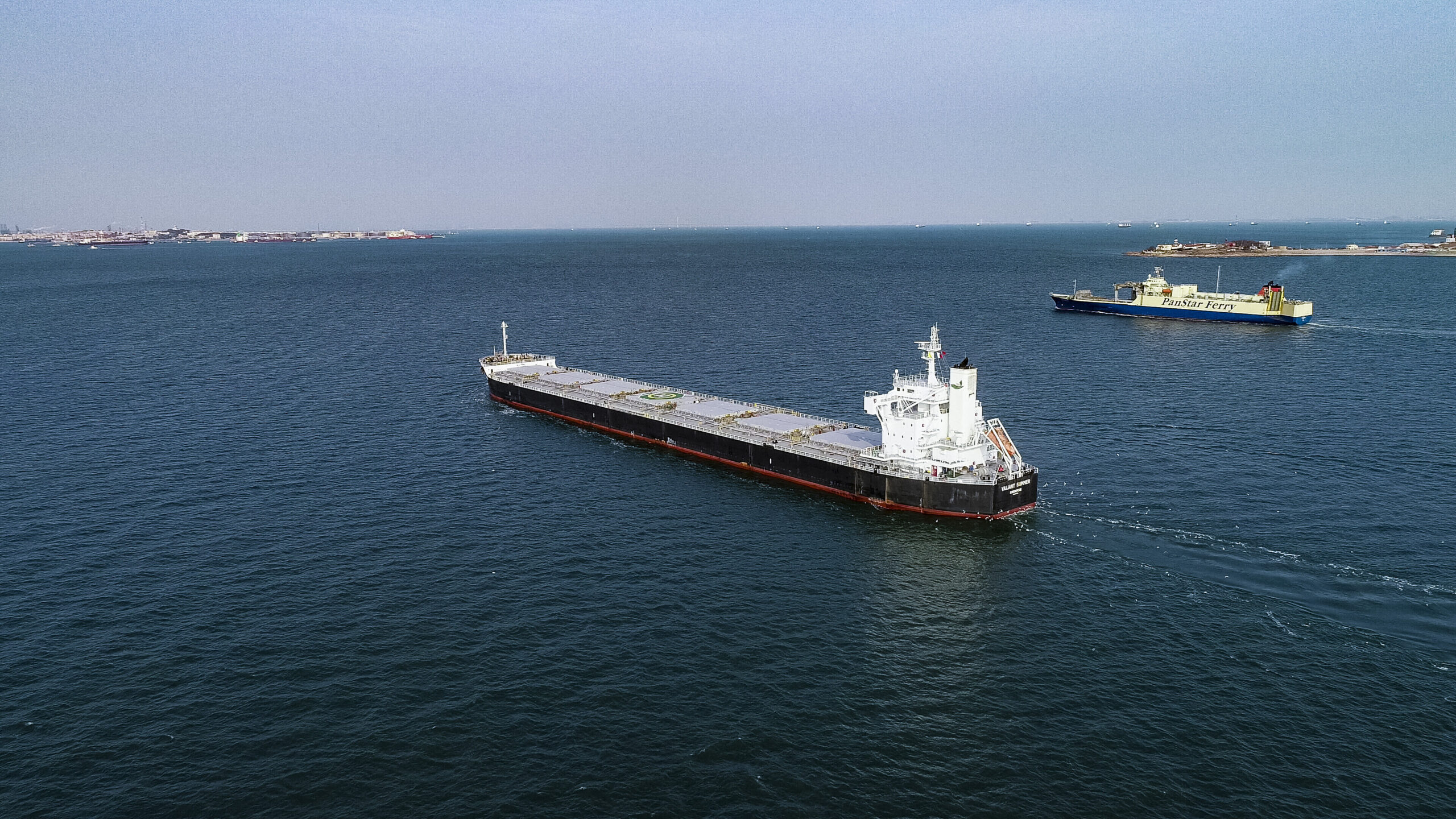
While these disruptions have not completely halted trade through the Red Sea, the volume of cargo ships passing through the region has decreased significantly. Some vessels with lower cargo values continue to risk the Red Sea route, but overall traffic through critical chokepoints like the Bab al-Mandab Strait and the Suez Canal has dropped markedly.
The broader economic implications include increased costs for goods transported via these routes and potential shifts in trade patterns. For example, there is a growing trend towards re-shoring and near-shoring to mitigate the risks associated with long-distance maritime transport. This shift may benefit regions closer to major economic blocs, such as North Africa, which could attract more foreign direct investment.
Overall, the Red Sea crisis has underscored the vulnerability of global supply chains to geopolitical conflicts and has led to significant increases in shipping costs and transit times, with cascading effects on global trade.





