
Revolutionizing Global Trade: The Power of Modern Logistics
In today's interconnected world, logistics stands as the backbone of global commerce, ensuring that goods move seamlessly from origin to destination. Whether it's air cargo logistics or oceanic freight, efficient logistics systems are transforming how businesses operate, reducing costs, and minimizing environmental impact. This article explores the cutting-edge innovations driving logistics forward, highlighting systems that optimize efficiency and reliability in shipping industries.
Advancements in Air Cargo Logistics
The introduction of advanced air cargo logistics and freight handling systems marks a significant leap in aviation logistics infrastructure. These systems feature wide cargo entry doors on large-capacity aircraft, allowing for seamless loading of larger freight volumes. High-tech hydraulic loaders automate the process, enhancing speed and precision for both bulk and palletized goods. Safety remains a priority with anti-slip platforms and secured straps that prevent damage during handling. Capable of supporting heavy freight like medical supplies and industrial equipment, these systems shield cargo from environmental elements while promoting energy-efficient operations. By reducing carbon emissions, such logistics solutions align with sustainable practices, enabling faster turnarounds and greater volumes in global shipping. Businesses adopting these technologies experience streamlined operations that take air freight to new heights of efficiency.
Transforming Oceanic Logistics with Innovative Vessels
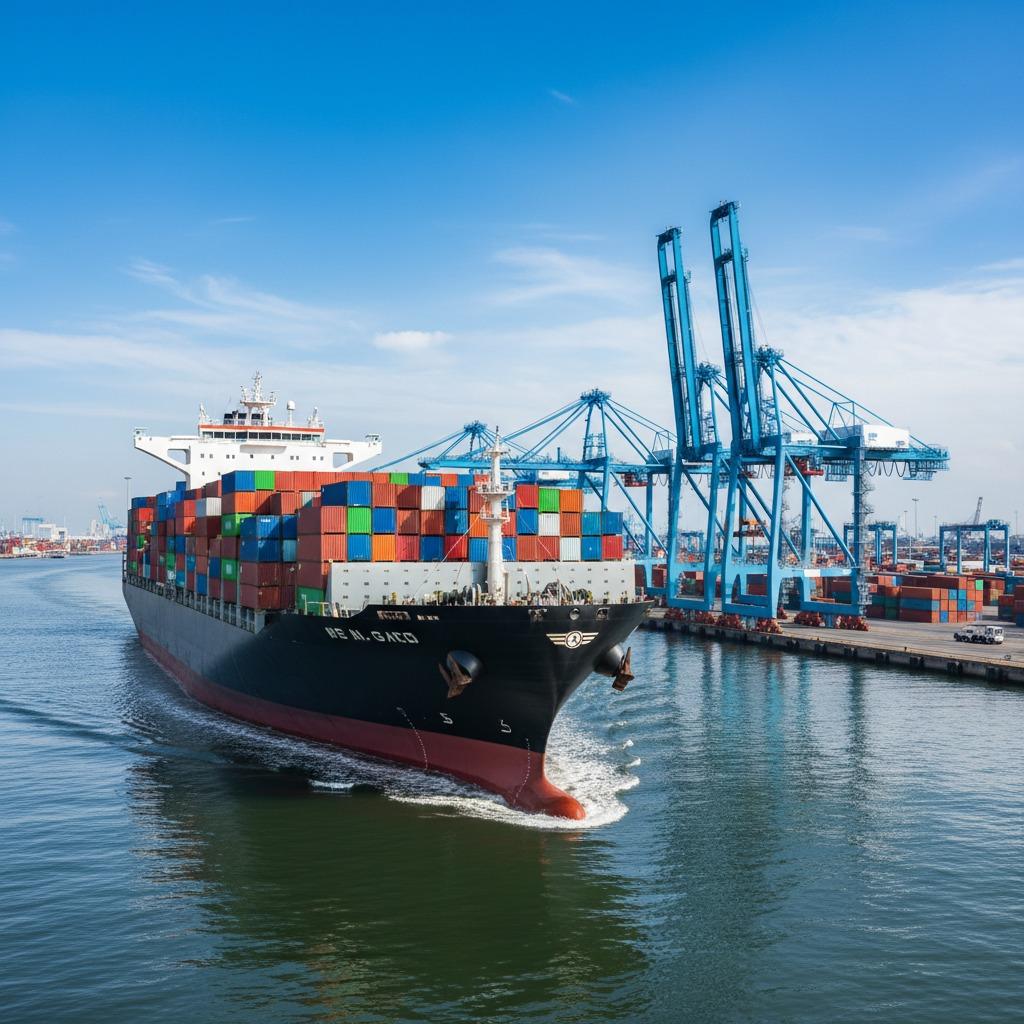
Complementing air transport, modern oceanic cargo transport vessels are redefining efficiency in international sea-based logistics. These ships boast expansive deck areas optimized for hundreds of multi-sized, color-coded shipping containers, catering to diverse industries from electronics to food products. Their streamlined design, with aerodynamic bows and reinforced hulls, ensures smooth navigation through varying sea conditions, minimizing drag and maximizing fuel efficiency. Advanced port compatibility allows seamless integration with container cranes at leading harbors worldwide, facilitating quick loading and offloading. Eco-friendly engines and emission-control systems adhere to global standards, significantly lowering carbon footprints. State-of-the-art navigation tools, including satellite communication, provide real-time tracking and optimal route planning, enhancing safety for crew and cargo alike. As essential connectors in global trade, these vessels deliver products across continents with unparalleled reliability and speed.
The Future of Integrated Logistics Solutions
Looking ahead, the synergy between air and sea logistics creates a robust framework for comprehensive supply chain management. Integrated systems that combine these modalities offer end-to-end visibility, predictive analytics, and automated tracking, which are crucial for modern logistics. For instance, businesses can leverage digital platforms to monitor shipments in real-time, adjusting routes dynamically to avoid delays. Sustainability continues to shape logistics innovations, with a focus on green technologies that reduce waste and emissions across transport modes. As global trade volumes grow, investing in such advanced logistics not only boosts operational resilience but also ensures compliance with international regulations. Companies embracing these developments position themselves as leaders in a competitive landscape, driving economic growth while prioritizing environmental responsibility. Ultimately, the evolution of logistics promises a more connected and efficient world, where goods flow effortlessly to meet consumer demands worldwide.





