
Understanding Logistics in Modern Supply Chains
Logistics forms the backbone of global commerce, ensuring that goods move efficiently from production to consumption. In today's interconnected world, effective logistics is crucial for businesses aiming to meet customer demands promptly and cost-effectively. This article explores the fundamentals of logistics, delving into its role in transportation and how innovative solutions are transforming the industry. With advancements in technology and infrastructure, logistics continues to evolve, making it an indispensable element of successful operations.
The Role of Transportation Logistics in Global Trade
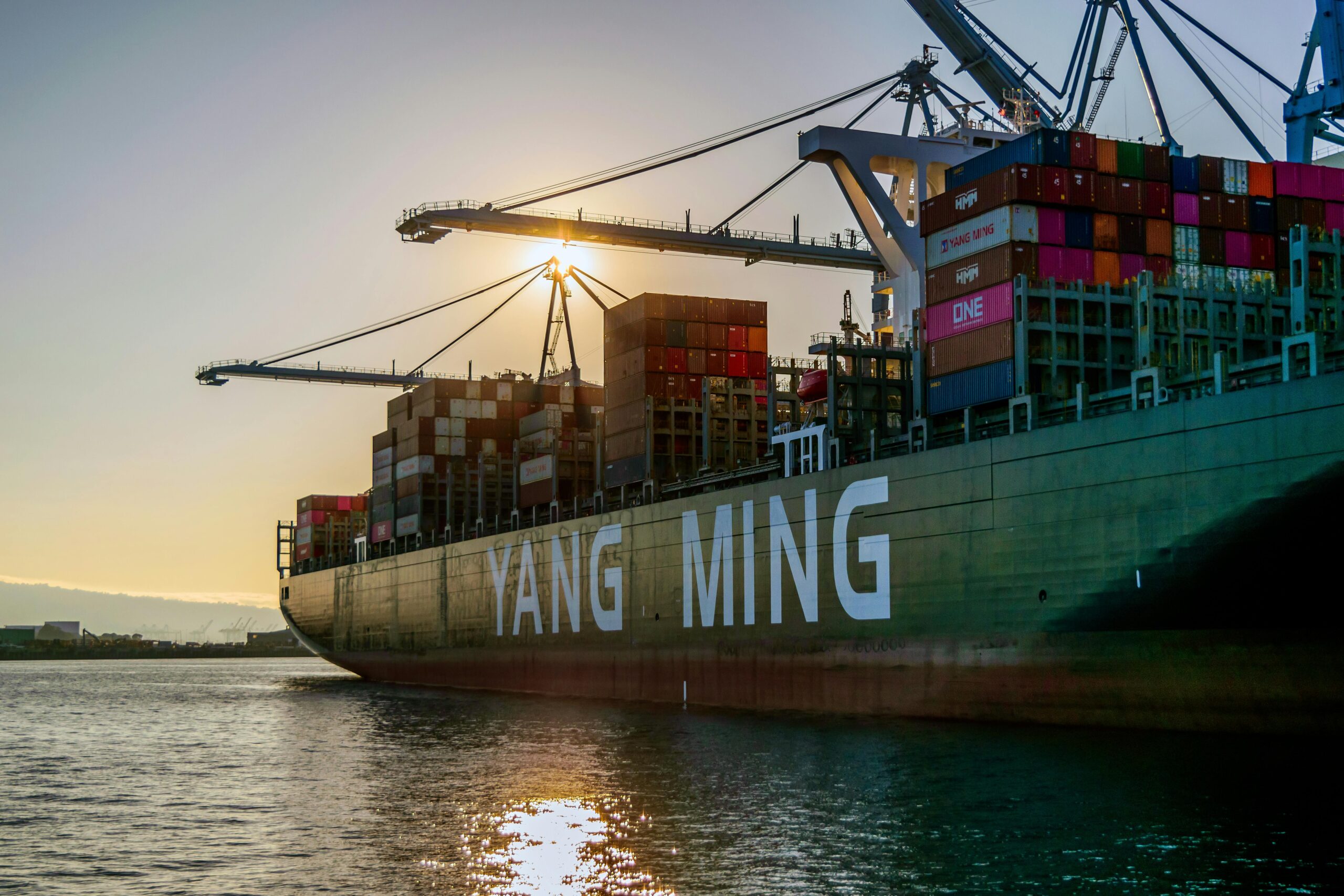
Transportation logistics encompasses the planning, implementation, and control of the movement and storage of goods across various modes, including sea, air, road, and rail. It involves coordinating routes, managing fleets, and optimizing schedules to minimize delays and costs. For instance, high-capacity container vessels play a pivotal role in this domain, as described in recent innovations in global shipping. These vessels, designed with cutting-edge engineering, feature towering stacks of color-coded shipping containers that enable expedited loading and unloading. Such efficiency not only speeds up the process but also supports the seamless flow of goods across international waters. Statistics from the International Maritime Organization indicate that maritime transport handles over 80% of global trade by volume, underscoring the importance of robust transportation logistics in sustaining economic growth.
Enhancing Efficiency Through Logistics Services
Logistics services extend beyond mere transportation, incorporating comprehensive solutions like inventory management, warehousing, and real-time tracking. Providers in this field leverage modern technology, such as GPS and AI-driven analytics, to monitor cargo in transit and predict potential disruptions. Consider the integration of robust cranes made from high-tensile materials on advanced ships; these tools streamline cargo handling, allowing operations in record time while reducing environmental impact through sustainable designs that lower fuel consumption. A report by McKinsey highlights that companies optimizing their logistics services can achieve up to 15% reduction in operational costs. This is particularly vital for industries dealing with perishable goods or time-sensitive deliveries, where precision in logistics can make or break market competitiveness.
Innovations Revolutionizing the Logistics Landscape
The future of logistics is marked by sustainable maritime innovations and eco-efficient practices that align with global environmental goals. Vessels equipped for immense cargo variety, from bulk materials to specialized items, are redefining trade efficiency. The sleek designs of these ships, often captured against shimmering sunlight and reflecting waters, symbolize both strength and elegance in modern logistics. By adopting such technologies, businesses can enhance visibility throughout the supply chain, ensuring reliability and adaptability to fluctuating demands. Insights from the World Trade Organization suggest that streamlined logistics could boost global GDP by facilitating smoother international commerce. As companies increasingly prioritize resilient supply chains, investing in advanced logistics services becomes a strategic imperative for long-term success.
Challenges and Strategies in Contemporary Logistics
Despite its advancements, logistics faces challenges like geopolitical tensions, supply chain disruptions, and rising fuel prices. Effective transportation logistics requires adaptive strategies, such as diversifying routes and partnering with reliable logistics service providers. For example, the use of automated systems in container management helps mitigate human error and accelerates turnaround times. Industry experts emphasize the need for data-driven decision-making to navigate these hurdles, with projections from Deloitte indicating a shift toward digital twins and blockchain for enhanced transparency. By addressing these issues head-on, organizations can fortify their logistics frameworks, ensuring they remain agile in a dynamic global market.
In summary, logistics, particularly through sophisticated transportation logistics and tailored services, is pivotal in driving economic vitality. As innovations continue to emerge, the sector promises greater efficiency and sustainability, benefiting businesses worldwide.





