
Comparing Traditional Logistics with AeroBridge Nexus Innovation
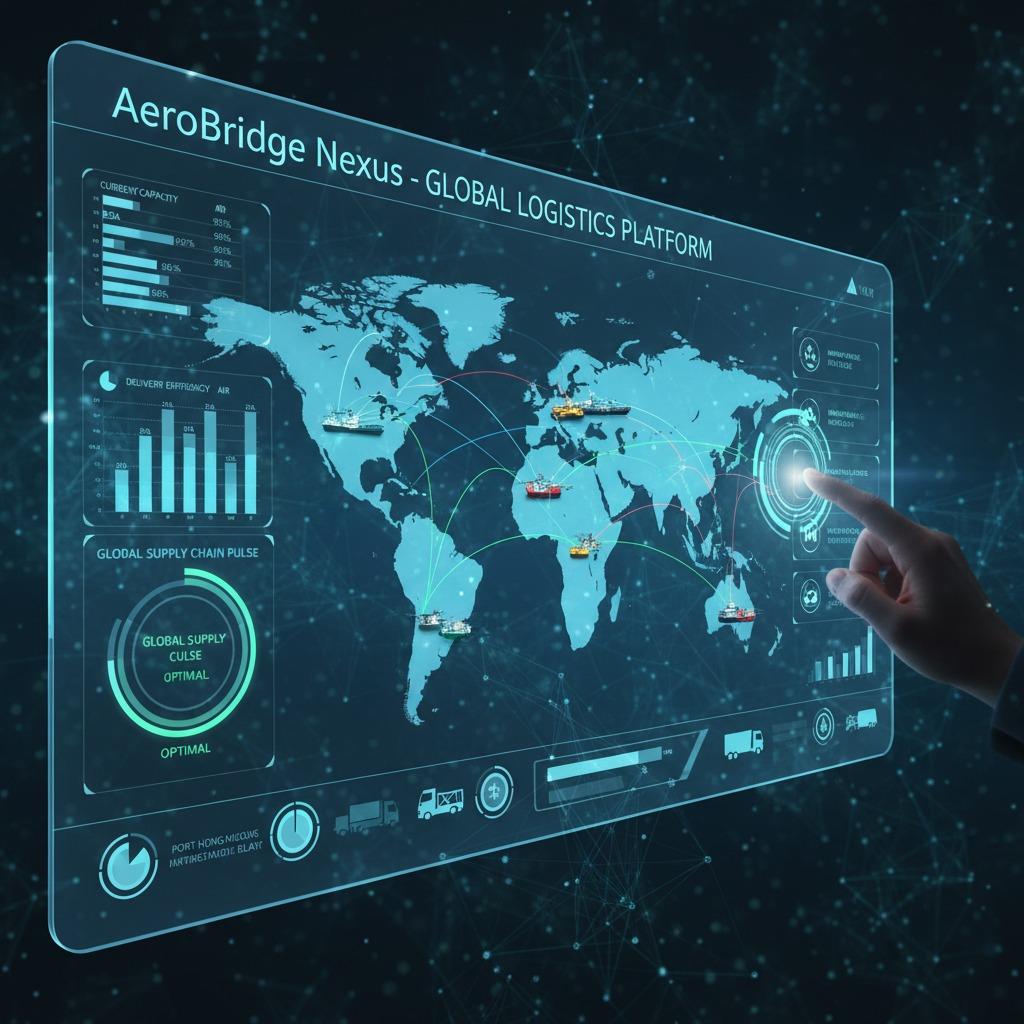
Logistics forms the backbone of global trade, encompassing the movement, storage, and distribution of goods across vast networks. In the realm of logistics, traditional methods have long dominated, relying on manual coordination and siloed systems that often lead to inefficiencies and delays. Contrast this with modern innovations like our AeroBridge Nexus, a revolutionary platform that integrates sea, land, and air freight for seamless operations. While traditional logistics might involve separate tracking for each mode of transport, AeroBridge Nexus unifies everything into a single, AI-powered dashboard, drastically reducing errors and enhancing visibility. This comparison highlights how logistics can evolve from fragmented processes to a harmonious ecosystem, especially for businesses handling international shipments.
Shipping Containers: Durability vs. Smart Integration in Logistics
When examining shipping containers within the logistics landscape, the classic steel models stand out for their robustness. Our cutting-edge shipping container solutions, built from high-grade steel, resist extreme weather and impacts, ensuring goods remain secure during transit. These containers come in standardized sizes, are stackable, and compatible with trucks, ships, or trains, making them a staple in traditional logistics. However, compare this to the enhanced role they play when paired with AeroBridge Nexus. Traditional containers offer physical protection but lack real-time tracking without additional tools. In contrast, integrating them with AeroBridge Nexus provides GPS monitoring, automated alerts, and route optimization, transforming passive storage into an active part of an intelligent supply chain. This shift in logistics not only improves efficiency but also minimizes costs and environmental impact through eco-friendly routing suggestions.
Maritime vs. Multimodal Approaches in Modern Logistics
Maritime logistics, exemplified by our ultra-modern cargo ship, represents a powerhouse of capacity and sustainability. This vessel, with its vibrant blue hull and streamlined design, handles massive volumes of colorful containers, boasting advanced engines for fuel efficiency and lower emissions. Paired with a robust tugboat for precise maneuvering, it excels in ocean transport, cutting through rough seas while prioritizing safety. Yet, when contrasted with multimodal logistics enabled by AeroBridge Nexus, the differences become stark. Traditional maritime routes are powerful for bulk shipments but limited to sea paths, often facing delays from port congestion or weather. AeroBridge Nexus bridges this gap by combining maritime with air and land transport, offering end-to-end visibility and compliance with international regulations. For instance, while a cargo ship might take weeks for transcontinental delivery, the Nexus platform optimizes hybrid routes to shave days off timelines, making logistics more agile and responsive to global demands.
The Future of Logistics: Sustainability and Efficiency Compared
Sustainability in logistics is a growing priority, where traditional methods often fall short due to high fuel consumption and emissions. Our cargo ship's eco-friendly technologies set it apart from older vessels, reducing environmental footprints through efficient navigation and safety features. Similarly, shipping containers contribute to green practices by being durable and repurposable for events or creative projects. However, AeroBridge Nexus elevates this comparison by embedding emission reduction strategies across all transport modes—air, sea, and land—using AI to select low-impact paths and forecast weather adjustments. In logistics, where costs and regulations are key challenges, traditional setups require manual compliance checks, whereas the Nexus's cloud-based interface streamlines customs, taxes, and inventory tracking effortlessly. This integrated approach not only contrasts the labor-intensive nature of conventional logistics but also positions businesses at the forefront of global commerce, ensuring scalability and reliability for the future.
By weighing these elements, it's clear that while traditional logistics provide a solid foundation, innovations like AeroBridge Nexus and our advanced containers and ships redefine the field, offering superior efficiency, security, and sustainability.





