
Revolutionizing Logistics: The Backbone of Global Trade
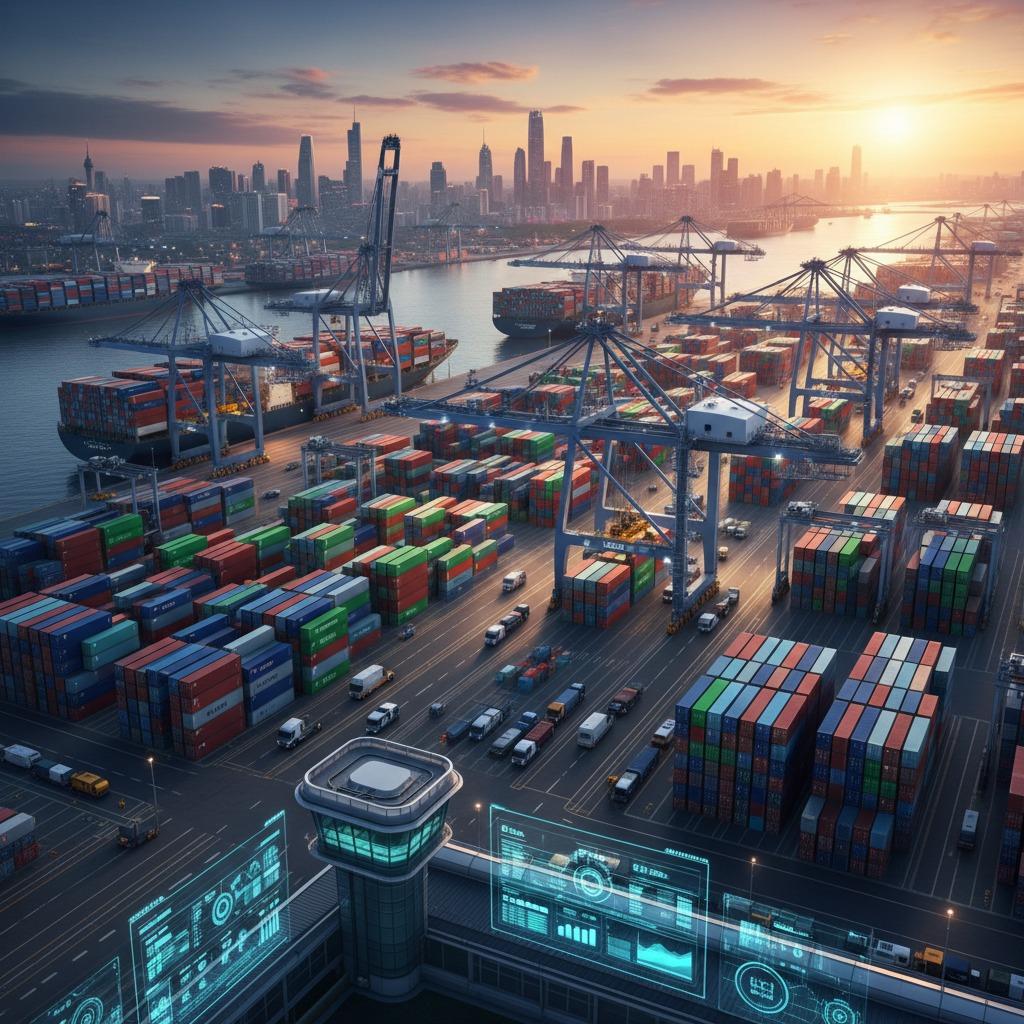
In the fast-paced world of international commerce, logistics stands as the cornerstone that ensures goods move efficiently from origin to destination. At the heart of this intricate network lies advanced infrastructure designed to handle vast volumes of cargo with precision and speed. This article delves into the technical intricacies of modern logistics, exploring how state-of-the-art facilities and equipment optimize operations while minimizing environmental impact.
Advanced Container Port Facilities in Logistics
Logistics thrives on the efficiency of container port facilities, which serve as critical hubs for global shipping. These sprawling complexes, strategically positioned near major waterways, feature vast container yards organized in color-coded arrays for systematic storage and rapid retrieval. High-capacity gantry cranes, equipped with automated controls and sensors, can lift containers weighing up to 40 tons each, enabling seamless transfers between ships, trucks, and rail systems. The technical design incorporates load-balancing algorithms to prevent structural stress, ensuring safety during high-volume operations. Integrated logistics management systems use real-time data analytics to track inventory, predict delays, and optimize routing, reducing turnaround times by up to 30%. Sustainability is embedded in the infrastructure through electrified cranes powered by renewable energy sources, cutting carbon emissions and aligning with global environmental standards. This fusion of engineering and technology transforms ports into dynamic engines of trade, handling everything from consumer electronics to raw materials with unparalleled reliability.
Maritime Innovations: Tugboats and Dockside Equipment
A pivotal aspect of logistics involves maritime operations, where robust tugboats and dockside equipment play indispensable roles in maneuvering vessels and managing cargo. Modern tugboats are engineered with powerful diesel-electric propulsion systems, delivering towing capacities exceeding 100 tons while maintaining exceptional maneuverability through azimuth thrusters that allow 360-degree rotation. These vessels incorporate advanced navigation aids, including GPS-integrated autopilots and collision-avoidance radar, to execute precise docking in congested harbors. Complementing them are industrial cranes with telescoping booms extending over 50 meters, featuring hydraulic systems that provide smooth, controlled lifts for heavy loads. The cranes' counterweight designs and anti-sway technologies ensure stability, preventing cargo damage during transfers. Onboard lighting systems, utilizing high-intensity LED arrays, enhance visibility for 24/7 operations, while integrated software synchronizes crane movements with ship schedules for streamlined logistics. This technical synergy not only boosts operational efficiency but also reduces fuel consumption by optimizing routes and loads, making logistics more sustainable and cost-effective.
Integrating Aviation and Logistics for Comprehensive Supply Chains
While maritime logistics dominates bulk transport, aviation elements enhance the speed of high-value shipments within broader logistics networks. Consider dual-engine jets optimized for cargo variants, with extended wingspans and aerodynamic fuselages that improve fuel efficiency by 20% through laminar flow designs. These aircraft feature reinforced cargo holds with climate-controlled compartments, ensuring the integrity of sensitive goods like pharmaceuticals during transcontinental flights. Noise-reduction technologies, including composite materials in the cabin, minimize disruptions, while smart entertainment systems—adapted for crew use—support long-haul logistics monitoring. The bold engineering reduces turbulence via active winglets that adjust in real-time, providing stable platforms for air-to-ground transfers. In logistics, such aviation assets integrate with port systems through standardized container protocols, enabling multimodal transport where sea, air, and land converge. Advanced tracking via IoT sensors embedded in shipments allows for predictive logistics modeling, forecasting arrival times with 95% accuracy and mitigating supply chain bottlenecks.
The Future of Logistics: Sustainability and Technological Advancements
Looking ahead, logistics is evolving toward fully automated and eco-friendly paradigms. Ports are adopting AI-driven predictive maintenance for cranes, using machine learning to detect wear in components before failures occur, thus extending equipment lifespan by 25%. Tugboats are transitioning to hybrid propulsion, combining electric batteries with traditional engines to slash emissions during idling periods in busy harbors. Broader logistics networks leverage blockchain for secure, transparent tracking of containers across borders, eliminating paperwork delays and enhancing fraud detection. Sustainability initiatives include optimized layouts that minimize energy use, such as solar-powered operational buildings housing logistics software that simulates traffic flows for minimal congestion. These innovations ensure logistics not only meets current demands but anticipates future challenges, fostering resilient global trade infrastructures. By prioritizing technical excellence and environmental responsibility, the logistics sector continues to propel economic growth and connectivity worldwide.





