
What is Logistics and Why Does It Matter?
Logistics forms the backbone of modern commerce, encompassing the planning, execution, and control of the movement and storage of goods, services, and information from origin to consumption. In today's interconnected world, effective logistics ensures that products reach consumers efficiently, reducing costs and enhancing customer satisfaction. Whether it's shipping containers across oceans or coordinating air freight, logistics is essential for businesses aiming to thrive in global markets.
How Do Modern Shipping Containers Revolutionize Logistics?
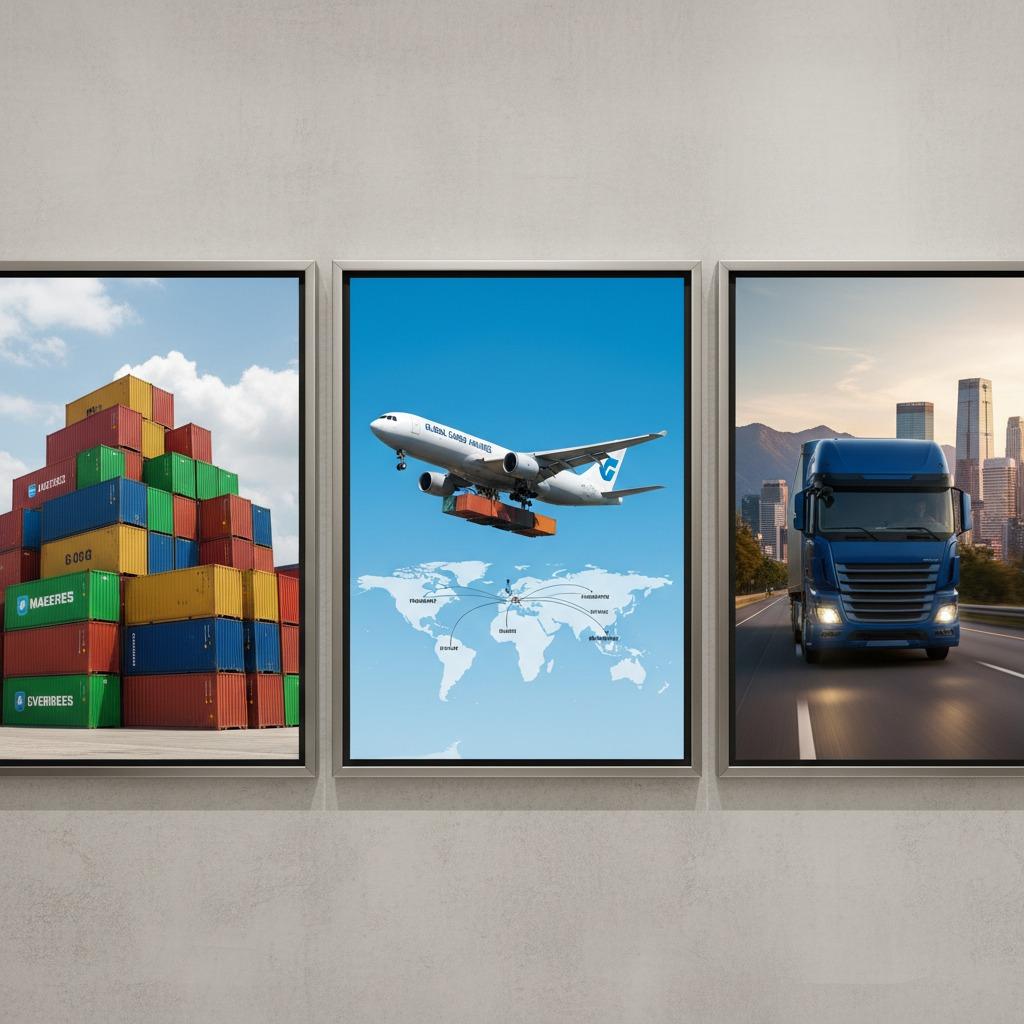
Shipping containers have transformed logistics by providing durable, versatile solutions for transporting goods. These vibrant, eco-friendly containers, crafted from high-grade steel, withstand harsh environments while offering customizable sizes in heights and widths to fit diverse cargo needs. Their improved stacking capabilities optimize space at ports, enabling quick retrieval and dispatch. Adhering to international safety standards, these modular designs integrate seamlessly with existing systems, making them indispensable for industries like retail and automotive. In logistics, such innovations elevate operations, blending style with efficiency to support global trade.
What Role Does Air Freight Play in Contemporary Logistics?
Air freight represents a swift dimension of logistics, particularly for time-sensitive shipments. Global Cargo Airlines' innovative cargo aircraft exemplifies this, with large-scale container modules that integrate air and intermodal transport. Connecting hubs like Shanghai, Frankfurt, and Dubai, these aircraft maximize payload for reliable, speedy deliveries. In logistics, air options ensure cargo arrives safely and on time, revolutionizing supply chains by bridging distances that ground transport can't match efficiently.
How Are Advanced Trucks Enhancing Logistics Efficiency?
Trucks are pivotal in ground-based logistics, and modern models push boundaries with aerodynamic designs that boost fuel efficiency on long hauls. Featuring striking blue exteriors, high-quality materials for weather resistance, and advanced LED lighting for safety, these vehicles offer spacious, ergonomic cabs with digital interfaces for navigation. In logistics, such trucks provide reliability across urban and highway routes, making them a key choice for fleet operators seeking performance and comfort in daily operations.
What Are Common Challenges in Logistics and How to Overcome Them?
Logistics often faces hurdles like supply chain disruptions, regulatory compliance, and environmental concerns. Delays from weather or port congestion can be mitigated through diversified transport modes, such as combining sea, air, and road logistics. Eco-friendly containers and fuel-efficient trucks help address sustainability, while technology like real-time tracking optimizes routes. Businesses can overcome these by investing in modular, standards-compliant solutions that enhance visibility and adaptability in logistics networks.
Why Choose Eco-Friendly Solutions in Logistics?
Sustainability is increasingly central to logistics, with eco-friendly shipping containers leading the charge. Made from recyclable materials and designed for efficiency, they reduce carbon footprints without compromising strength. In logistics, adopting such options not only meets environmental standards but also appeals to eco-conscious consumers, differentiating brands in competitive markets. Integrating these with air and truck transport creates a greener, more efficient global supply chain.





