
Understanding the Fundamentals of Logistics
Logistics forms the backbone of modern supply chains, ensuring that goods move efficiently from origin to destination. At its core, logistics encompasses the planning, implementation, and control of the flow of goods, services, and information. This intricate process involves multiple stages, including procurement, transportation, warehousing, and distribution. Effective logistics minimizes costs, reduces delays, and enhances customer satisfaction. For businesses operating in competitive markets, mastering logistics is not just an option but a necessity. Statistics from the Council of Supply Chain Management Professionals indicate that companies with optimized logistics can achieve up to 15% reduction in operational costs. By integrating advanced technologies, logistics evolves to meet the demands of global trade, handling everything from raw materials to finished products seamlessly.
Key Components Driving Logistics Efficiency
One critical aspect of logistics is transportation, which serves as the primary method for moving goods across vast distances. This includes road, rail, air, and sea transport, each tailored to specific needs. For instance, refrigerated trailers represent a pinnacle in logistics for temperature-sensitive items like pharmaceuticals and fresh produce. These trailers feature high-insulation panels and advanced refrigeration systems that maintain precise temperature controls, ensuring product integrity during transit. Real-time monitoring via sensors provides data on temperature and humidity, allowing for immediate adjustments and minimizing risks. Such innovations not only preserve quality but also streamline loading and unloading processes, reducing exposure to external elements and boosting overall efficiency.
In maritime logistics, cargo vessels like the Voyager Series exemplify sustainable engineering. These ships incorporate sleek designs to minimize drag, improving fuel economy while supporting high-speed, high-capacity voyages. Equipped with reinforced hulls and adaptable container systems, they ensure cargo safety across calm or turbulent waters. Automation and navigation technologies further enhance reliability, making them ideal for global shipping routes. The environmental focus, through reduced emissions, aligns with growing demands for eco-friendly logistics practices.
Aviation's Role in Modern Logistics
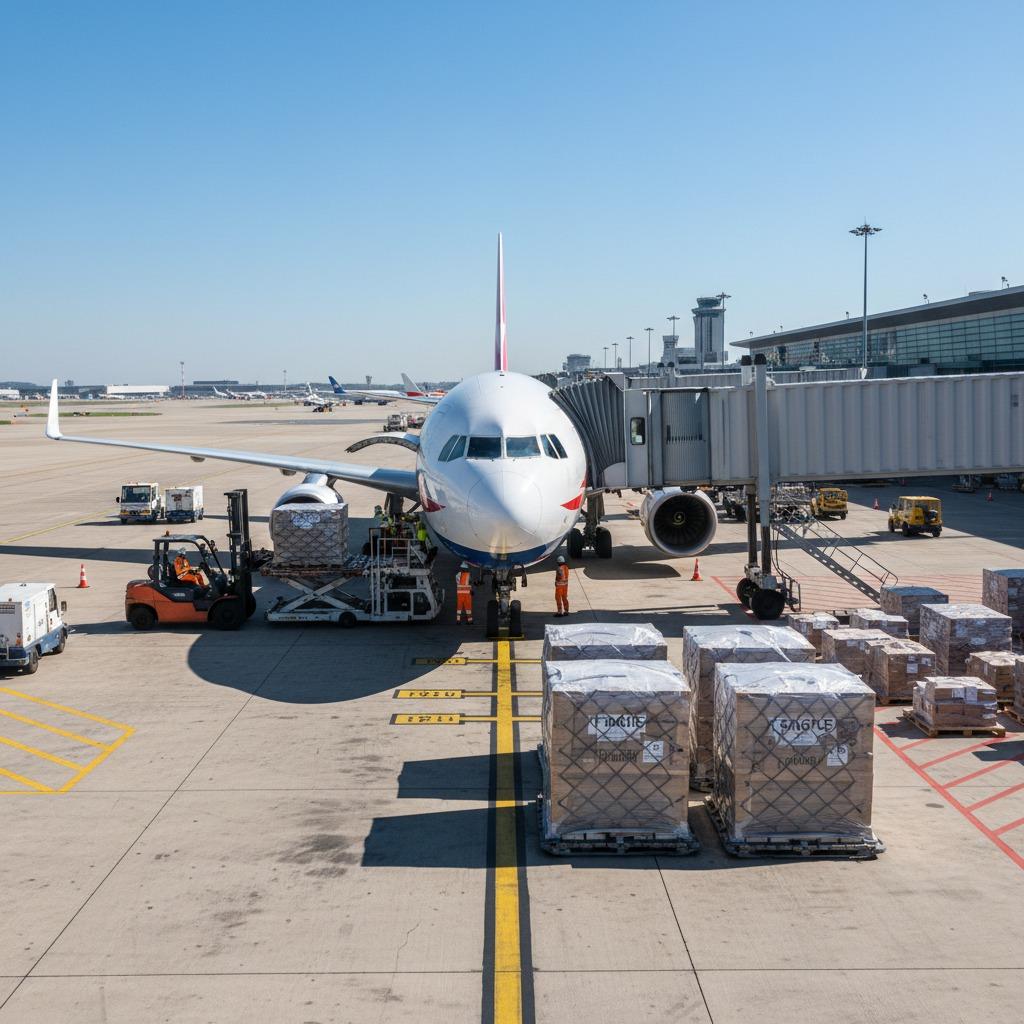
Air transport has revolutionized logistics by enabling rapid delivery of high-value or time-sensitive cargo. Sophisticated cargo aircraft, designed with advanced aerodynamics and powerful yet fuel-efficient engines, facilitate quick transfers over long distances. These models feature robust cargo holds with security measures to protect shipments from damage. Ground operations benefit from automated forklifts and modular loading units, which expedite handling and minimize turnaround times. This efficiency is crucial for industries like e-commerce, where same-day delivery expectations are the norm. According to industry reports, air cargo volumes have surged by over 20% in recent years, driven by the need for speed in global markets.
Technological Innovations Transforming Logistics
Technology is at the forefront of logistics transformation, with tools like IoT devices, AI-driven analytics, and blockchain enhancing visibility and security. IoT sensors in trailers and vessels provide real-time tracking, allowing logistics managers to make data-informed decisions. AI optimizes routing and inventory management, predicting disruptions and suggesting alternatives. Blockchain ensures transparent documentation, reducing fraud and speeding up customs clearance. These advancements not only cut costs but also promote sustainability by optimizing resource use. For example, predictive maintenance in cargo aircraft prevents downtime, ensuring consistent performance. As logistics continues to integrate these technologies, businesses gain a competitive edge in a fast-paced world.
The Future of Logistics and Sustainability
Looking ahead, logistics is poised for even greater innovation, with a strong emphasis on sustainability. Electric and hybrid vehicles are reducing carbon footprints in road transport, while green fuels power maritime fleets. Aviation explores biofuels and electric propulsion to lower emissions. Collaborative efforts among stakeholders are fostering circular supply chains, where waste is minimized through recycling and efficient packaging. Regulatory pressures, such as the International Maritime Organization's carbon reduction targets, are accelerating these changes. Ultimately, effective logistics balances speed, cost, and environmental responsibility, ensuring long-term viability. By embracing these trends, companies can navigate future challenges while delivering value to customers worldwide.





