
The Fundamentals of Logistics in Modern Trade
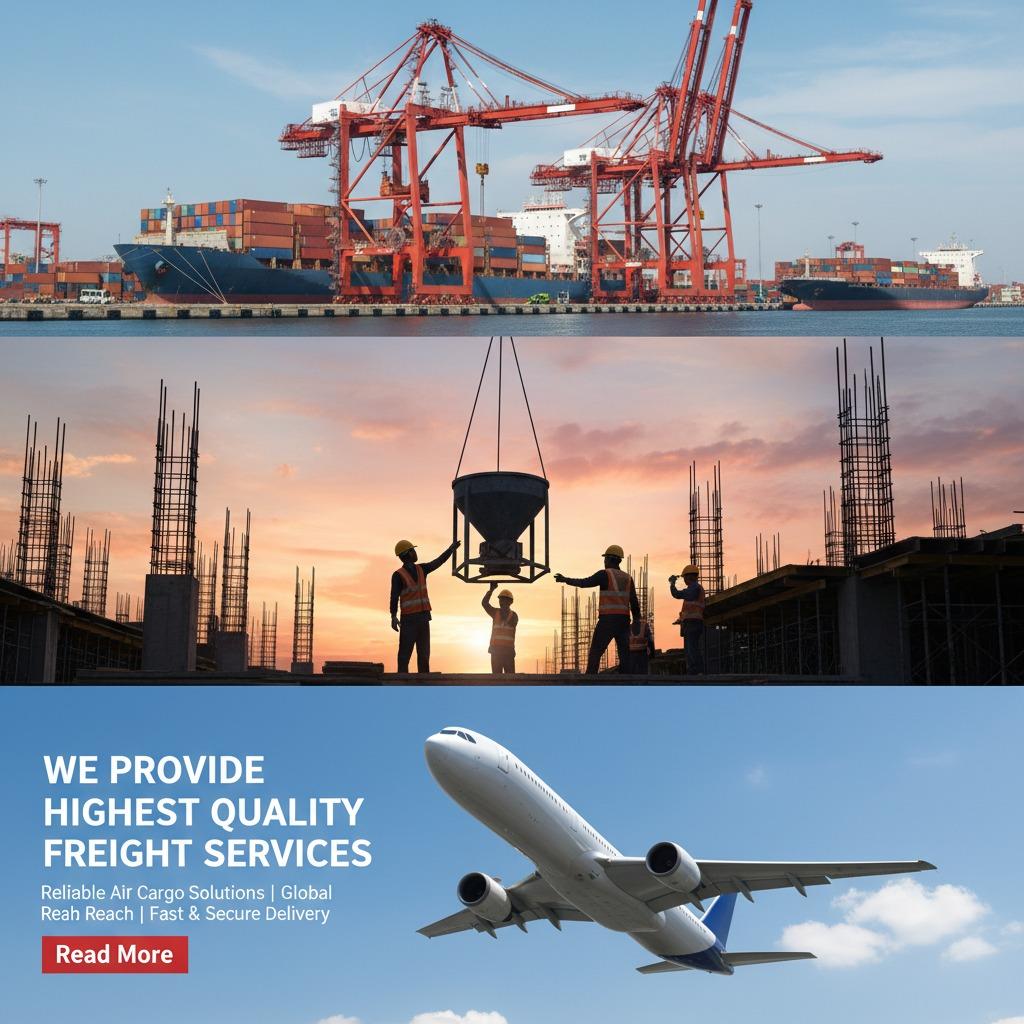
Logistics forms the backbone of global commerce, ensuring that goods move efficiently from producers to consumers. In today's interconnected world, effective logistics management is crucial for businesses aiming to thrive in competitive markets. This discipline encompasses planning, implementing, and controlling the flow of goods, services, and information across supply chains. From bustling ports to high-tech construction sites and swift air routes, logistics integrates advanced technologies to streamline operations and reduce costs.
Consider the role of maritime logistics in international trade. Modern shipping ports, equipped with striking red gantry cranes, exemplify how infrastructure supports the seamless transfer of cargo. These cranes handle massive containers from large vessels, optimizing workflows and enabling quick transitions to land-based transport. Such systems not only boost efficiency but also incorporate sustainable practices, minimizing environmental impact while handling diverse global shipments.
Advancements in Logistics Through Specialized Equipment
Innovations in logistics are transforming industries like construction and freight. Take the Smart Construction Crane System, for instance, which revolutionizes how materials are moved on high-rise projects. This technology-driven solution features AI sensors for precision load balancing, anti-sway mechanisms for safety, and remote operability via smartphones or control panels. Powered by hybrid electric and solar energy, it promotes eco-friendly practices, reducing carbon footprints on urban development sites. In logistics terms, this means faster resource allocation and enhanced worker safety, allowing projects to reach new heights without compromising reliability.
Beyond construction, logistics extends to air freight services that prioritize speed and global reach. State-of-the-art aircraft ensure rapid delivery of essential business materials or personal shipments across continents. These services emphasize precision and customer-centric approaches, guaranteeing seamless operations and peace of mind. By leveraging advanced tracking and optimized routes, air logistics minimizes delays, making it ideal for time-sensitive cargo in today's fast-paced economy.
The Future of Logistics: Efficiency and Sustainability
As logistics evolves, the focus shifts toward smart, integrated systems that enhance overall supply chain resilience. Ports with synchronized docking and specialized lanes for container vehicles illustrate how infrastructure supports streamlined transitions between sea, air, and land transport. Statistics show that efficient logistics can reduce global trade costs by up to 20%, according to industry reports from organizations like the World Trade Organization. This efficiency is vital for small businesses and multinational corporations alike, enabling them to navigate complexities like fluctuating fuel prices and regulatory changes.
Sustainability remains a key pillar in modern logistics. Automated systems in ports and eco-conscious cranes in construction sites demonstrate a commitment to reducing emissions. For example, hybrid technologies in air freight not only cut fuel consumption but also align with international standards for green shipping. Businesses adopting these practices gain a competitive edge, appealing to environmentally aware consumers and partners. Looking ahead, the integration of AI and IoT in logistics promises even greater insights, predictive analytics for demand forecasting, and real-time visibility into shipments.
In essence, logistics is more than transportation—it's a strategic enabler of economic growth. By embracing these advancements, companies can achieve operational excellence, foster innovation, and contribute to a more sustainable global marketplace. Whether through maritime hubs, construction innovations, or aerial networks, the principles of effective logistics continue to drive progress in an ever-changing world.





