
Understanding Logistics in Modern Supply Chains
The term logistics encapsulates the intricate process of planning, implementing, and controlling the efficient flow and storage of goods, services, and related information from origin to consumption. In today's global economy, logistics forms the backbone of supply chain management, ensuring that products reach their destinations on time and in optimal condition. For businesses involved in international trade, mastering logistics is essential to reduce costs, enhance customer satisfaction, and maintain competitiveness. This article explores key aspects of logistics, drawing insights from innovative solutions that streamline operations in ports and beyond.
Key Features of Advanced Logistics Solutions
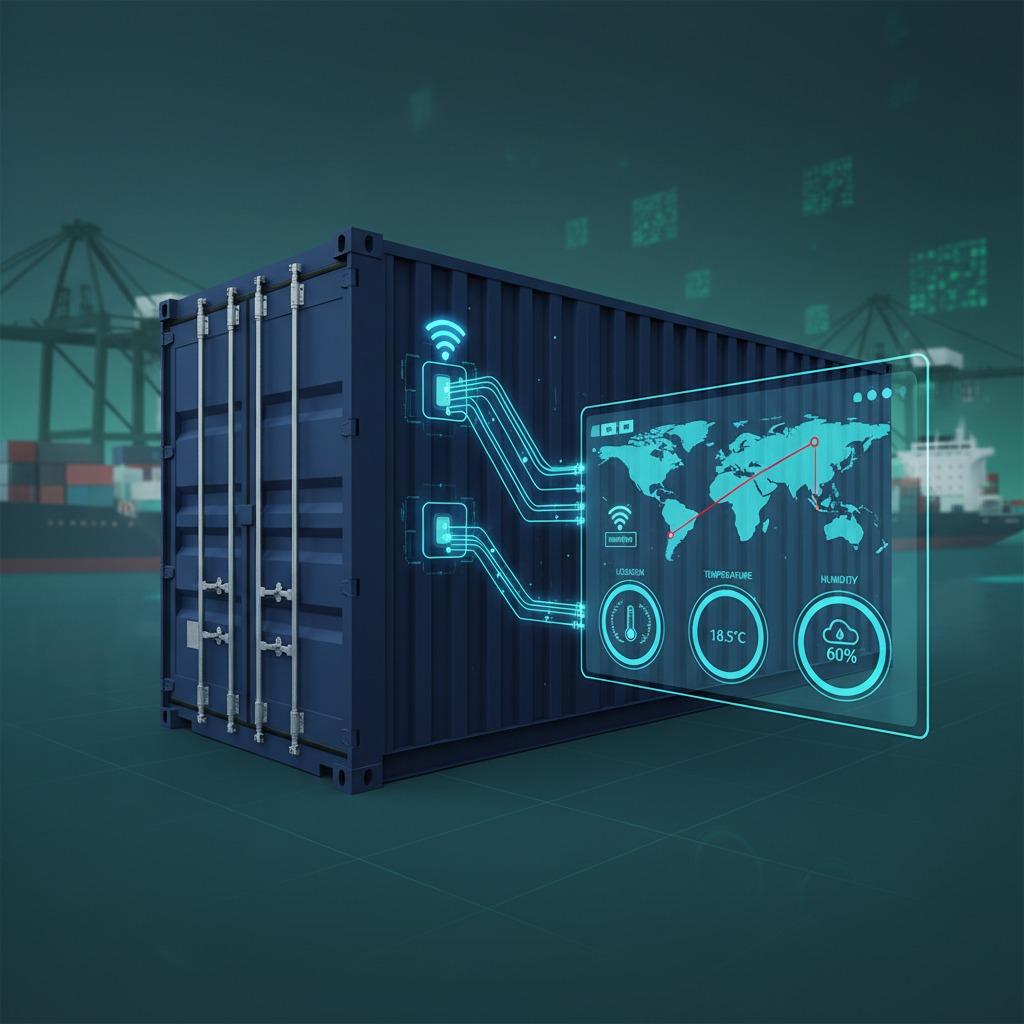
Modern logistics solutions, such as smart container tracking systems, leverage IoT technology to monitor cargo in real-time, tracking location, temperature, and humidity to prevent spoilage or damage. AI-powered port optimization further revolutionizes logistics by predicting peak hours and streamlining container placement, which cuts down on congestion and idling times. Autonomous crane technology minimizes human error, enabling precise handling of high-volume shipments in busy ports. These features not only boost efficiency but also incorporate sustainable practices, like solar-powered equipment and electric vehicles, reducing the environmental impact of logistics operations. Additionally, a digital trade dashboard provides stakeholders with live insights into inventories, customs processes, and scheduling, fostering seamless collaboration across global networks.
Benefits of Streamlined Logistics for Global Trade
Implementing robust logistics strategies yields significant benefits, including rapid processing of cargo amid high traffic volumes, enhanced security during transit, and substantial reductions in operational costs through automation. For instance, in bustling port environments, these systems ensure that even the most complex shipments are managed with precision, minimizing delays that could ripple through supply chains. Statistics from the International Maritime Organization indicate that efficient logistics can lower global shipping emissions by up to 20% when sustainable tech is integrated. Businesses adopting these innovations report up to 30% faster turnaround times, directly translating to improved profitability and reliability. Moreover, logistics enhancements support scalability, allowing companies to handle increasing trade volumes without proportional cost increases.
The Role of Industrial Equipment in Logistics Efficiency
Heavy-duty dockside cranes and maritime tugboats play pivotal roles in logistics, particularly in port operations where they facilitate the loading, unloading, and maneuvering of vessels. These robust machines, with their steel frameworks and advanced navigation systems, ensure safe and swift cargo transfer, even in challenging conditions like night operations with illuminated decks. By combining land-based and nautical engineering, such equipment embodies the synergy needed for effective logistics in industrial dockyards. Insights from port management studies show that investing in such technology can improve throughput by 25%, underscoring its value in maintaining fluid global trade flows. As logistics evolves, integrating these tools with digital platforms will continue to drive innovation, making supply chains more resilient against disruptions like weather events or regulatory changes.
Future Trends Shaping Logistics
Looking ahead, logistics is poised for transformation through emerging technologies like blockchain for transparent tracking and drone-assisted deliveries for last-mile efficiency. These advancements promise to further optimize routes, reduce fuel consumption, and enhance data-driven decision-making. For ports handling diverse cargo—from compact containers to bulky goods—adopting versatile, eco-friendly systems will be crucial. Overall, effective logistics not only streamlines operations but also contributes to a more sustainable and interconnected world economy, benefiting businesses and consumers alike.





