
Revolutionizing Logistics: The Future of Efficient Global Supply Chains
In the fast-paced world of modern commerce, logistics stands as the backbone of global trade, ensuring that goods move seamlessly from origin to destination. As businesses strive for efficiency and sustainability, innovations in logistics are transforming how we handle transportation, storage, and delivery. This article explores the latest advancements in logistics, highlighting high-performance solutions that drive reliability and connectivity.
High-Performance Commercial Trucks in Logistics
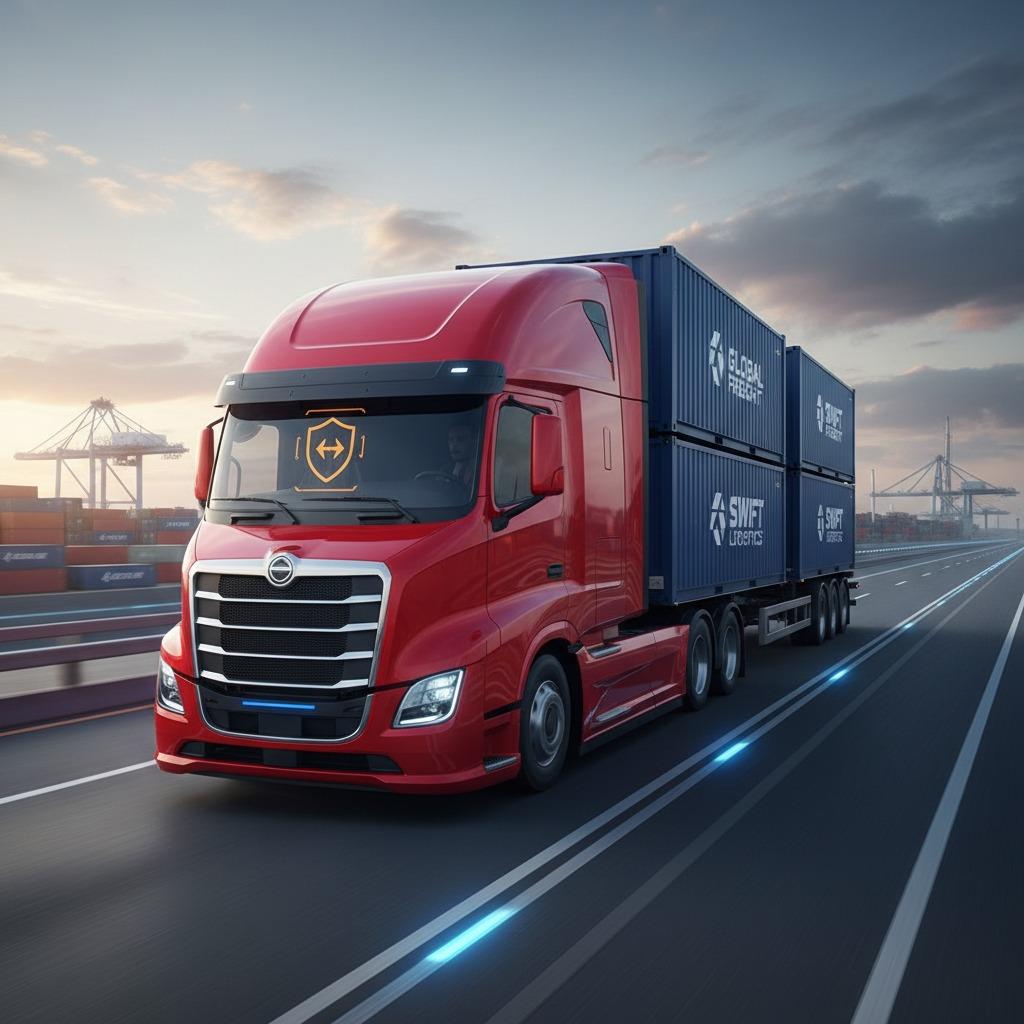
These robust trucks are engineered to meet the demands of cargo delivery, featuring bold red exteriors that signify their dynamic presence on the road. With impressive loading capacities, they handle shipping containers of various sizes, catering to diverse industries from manufacturing to retail. Optimized aerodynamics reduce fuel consumption, making them a cost-effective choice for long-haul routes while promoting environmental friendliness. Powered by state-of-the-art engines, they offer exceptional towing capabilities, ensuring smooth operations even under heavy loads. Partnered with major players like COSCO and CAPITAL, these vehicles facilitate international trade, integrating seamlessly into global supply chains. Safety features such as lane tracking and emergency braking enhance control, minimizing risks on highways and urban roads. For companies reliant on timely deliveries, these trucks embody strength and innovation in logistics.
Smart Ports and Multi-Modal Transport Systems
Advancing beyond traditional trucking, modern logistics incorporates smart ports and multi-modal synchronization to create unified supply chains. Autonomous trucks, high-speed trains, cargo ships, and drones work in harmony, reducing wait times and optimizing goods flow across air, rail, road, and sea. AI-driven coordination ensures precision, while cargo drones with electric propulsion cut delivery lead times and carbon emissions. Digital smart ports leverage IoT and predictive algorithms for efficient container handling, with autonomous cranes boosting throughput and minimizing errors. Sustainability is at the core, featuring solar panels and eco-efficient designs that lower the environmental footprint. Multi-level transit systems, including high-speed rails and multi-lane highways, address congestion and enhance productivity. Central logistics hubs use digital twin technology for real-time monitoring of storage, packaging, and dispatching, revolutionizing operational oversight in logistics.
Maritime Innovations and Sustainable Cargo Handling
Maritime logistics plays a pivotal role in global connectivity, and next-generation smart port terminals are leading the charge with advanced features. Yellow gantry cranes handle high-cube containers with precision and speed, reducing vessel turnaround times and maximizing efficiency. High-capacity cargo ships, designed for eco-friendliness, accommodate bulk shipments across transoceanic routes, supporting extensive import and export networks. Seamless dockside operations provide ample space and streamlined layouts to manage multiple vessels simultaneously. Integrated digital systems offer real-time tracking, optimizing crane operations and reducing downtime. Sustainability efforts include electric cranes, energy-efficient ships, and recycling mechanisms, aligning with green shipping initiatives to curb carbon footprints. This interconnected infrastructure positions smart ports as essential hubs in logistics, ensuring reliable and sustainable global trade. As logistics evolves, these solutions not only meet current demands but also pave the way for a more efficient and environmentally conscious future.





