
Revolutionizing Logistics: Efficiency Meets Innovation in Global Trade
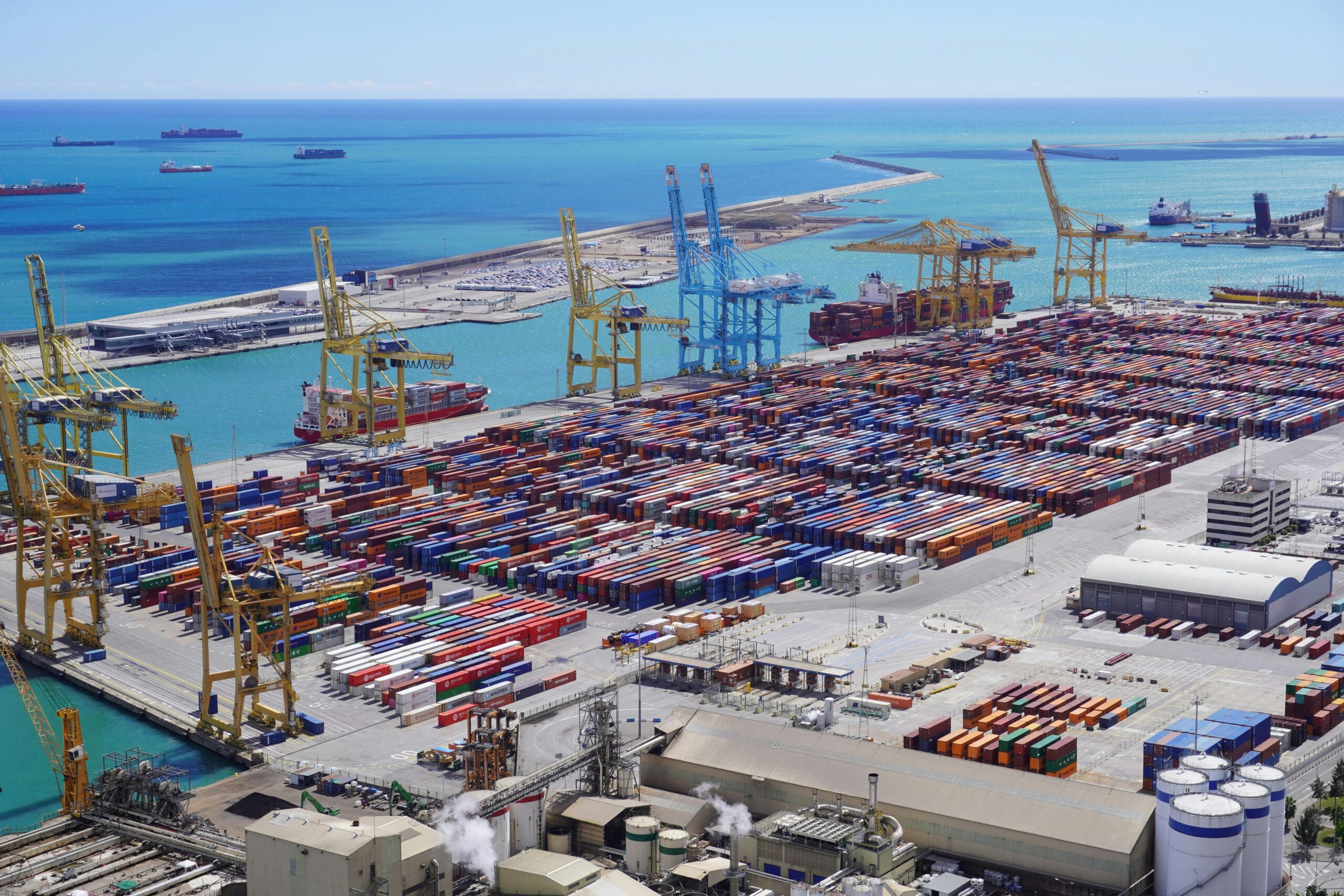
In the fast-paced world of international commerce, logistics stands as the backbone that keeps economies thriving. At the heart of this dynamic industry is a commitment to seamless operations that connect suppliers, manufacturers, and consumers across continents. Imagine a sprawling port engineered for efficiency, scale, and innovation—a cutting-edge container terminal designed to handle immense volumes of cargo with unparalleled accuracy and speed. This is where modern logistics transforms challenges into opportunities, ensuring that goods flow effortlessly from origin to destination. By embracing advanced systems, businesses can overcome traditional bottlenecks and achieve sustainable growth.
Optimizing Logistics Operations for Peak Performance
Logistics operations form the core of any successful supply chain, and this is vividly demonstrated in facilities equipped with towering cranes in vibrant yellow and blue. These state-of-the-art machines facilitate precise loading and unloading from colossal cargo ships docked in azure waters, minimizing downtime and maximizing throughput. Efficient logistics operations mean real-time coordination between teams, automated processes, and robust safety protocols that protect both workers and assets. Companies that invest in such operations see reduced costs, faster turnaround times, and enhanced customer satisfaction. For instance, integrated tracking systems allow for instant visibility into shipment statuses, preventing delays and empowering proactive decision-making. By streamlining every step—from container arrival to dispatch—businesses can scale their logistics operations to meet global demands without compromising on reliability.
The Role of Logistics Software in Driving Efficiency
At the forefront of this transformation is logistics software, a game-changer that integrates data analytics, AI-driven predictions, and automated workflows. In a hub where global connections converge, colorful containers are meticulously arranged, each monitored through advanced software that ensures accurate inventory management and timely dispatches. Logistics software not only optimizes space in vast warehouses but also improves overall workflow efficiency, turning complex tasks into streamlined processes. Persuade your organization to adopt these tools; they provide the insights needed to forecast demand, mitigate risks, and enhance sustainability efforts. With features like real-time monitoring and seamless integration with existing systems, logistics software empowers teams to handle increased volumes effortlessly, reducing errors and boosting profitability. In an era where speed is paramount, neglecting such technology means falling behind competitors who are already reaping the benefits of digital innovation.
Comprehensive Logistics Solutions for a Connected World
True excellence in this field comes from holistic logistics solutions that combine infrastructure, technology, and expertise into a unified strategy. This expansive terminal, with its support facilities and optimized layout, exemplifies how logistics solutions can revolutionize maritime trade. From handling diverse cargo types to ensuring eco-friendly practices, these solutions address every aspect of the supply chain. Businesses should prioritize partners who offer scalable logistics solutions, as they deliver not just efficiency but also resilience against disruptions like weather events or market fluctuations. The result? Timely deliveries worldwide, stronger international partnerships, and a competitive edge in global markets. Embrace the new era of logistics where innovation meets scale—it's time to invest in solutions that propel your operations forward, fostering growth and sustainability for the long term.
By focusing on these elements, companies can unlock the full potential of logistics, turning potential obstacles into strategic advantages that drive success in today's interconnected economy.





