
Revolutionizing Logistics: Innovations in Efficient Supply Chain Management
In today's fast-paced global economy, logistics stands as the backbone of seamless operations, ensuring goods move from origin to destination with precision and reliability. As businesses strive to meet growing demands, innovative solutions in logistics are transforming how companies handle transportation, storage, and delivery. This article explores cutting-edge advancements in logistics, drawing from real-world applications that enhance efficiency and sustainability across various sectors.
Advancements in Refrigerated Trailers for Cold Chain Logistics
The refrigerated trailer represents a pinnacle of innovation in logistics, particularly for preserving perishable goods during transit. Designed with state-of-the-art temperature control systems, these trailers maintain optimal conditions to protect the freshness and quality of products like food and pharmaceuticals. Their spacious, configurable interiors allow for customized loading, making them versatile for industries such as food service and healthcare. When paired with heavy-duty electric pallet jacks, the loading and unloading process becomes effortless, reducing manual labor and boosting overall productivity. This combination streamlines the supply chain, ensuring that logistics operations run smoothly from warehouse to final delivery point. By minimizing errors and delays, such technologies not only cut costs but also uphold stringent safety standards, making them indispensable for modern logistics.
Statistics highlight the impact: according to industry reports, efficient cold chain management can reduce food waste by up to 30%, underscoring the value of these tools in sustainable logistics practices. As global trade expands, investing in advanced refrigerated solutions ensures compliance with international regulations while enhancing customer satisfaction through reliable deliveries.
Maritime Logistics: The Rise of Sustainable Cargo Ships
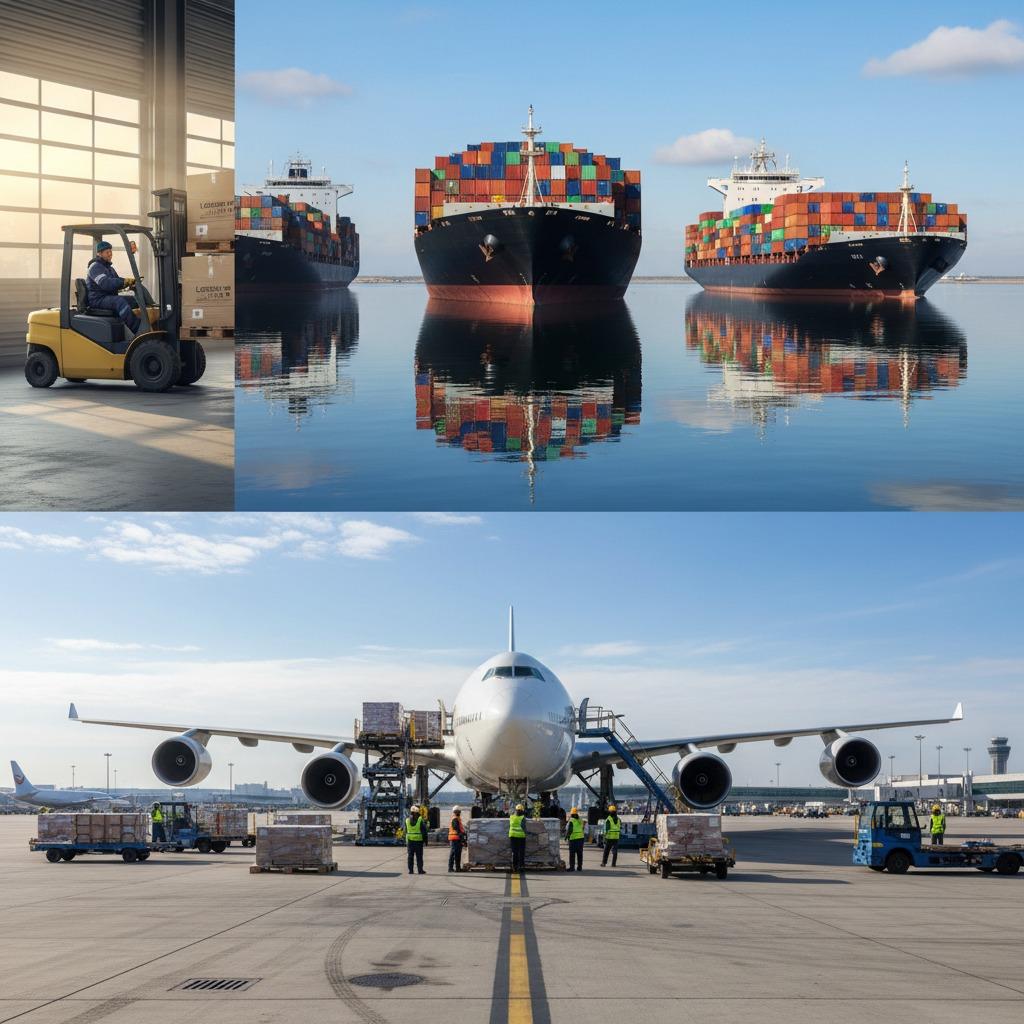
Shifting to maritime logistics, the introduction of cutting-edge cargo ships is redefining efficiency on the high seas. These vessels incorporate advanced technology to minimize emissions and maximize cargo capacity, aligning with global sustainability goals. Featuring energy-efficient engines and eco-friendly materials, they navigate challenging waters with enhanced maneuverability and speed. Robust construction and automated navigation systems guarantee safety and durability, even in adverse weather conditions. With spacious decks and reinforced containers, these ships can transport vast quantities of goods across continents, ensuring timely arrivals that keep supply chains uninterrupted.
The environmental benefits are profound; modern cargo ships can reduce fuel consumption by 20-25% compared to older models, as per maritime industry analyses. This shift towards green logistics not only lowers operational costs but also positions companies as leaders in responsible global trade. For businesses reliant on international shipping, adopting such innovations means faster turnaround times and a smaller carbon footprint, fostering long-term resilience in logistics strategies.
Air Freight Logistics: Precision and Speed in Global Transport
In the realm of air freight logistics, state-of-the-art cargo planes are pushing boundaries with seamless integration of automation and human expertise. At bustling airport tarmacs, high-tech forklifts and handlers synchronize to load secure cargo containers efficiently, emphasizing safety through rigorous protocols. Workers equipped with safety gear ensure every operation adheres to top standards, while advanced lifting equipment and pallets facilitate rapid yet careful handling of valuable goods.
These aircraft boast improved aerodynamics for better fuel efficiency and expanded cargo holds, enabling swift worldwide deliveries critical for time-sensitive industries like electronics and e-commerce. Insights from aviation logistics show that air freight can cut delivery times by up to 80% versus sea routes, making it a vital component of integrated logistics networks. The blend of engineering precision and operational efficiency not only accelerates global trade but also adapts to fluctuating market demands, ensuring logistics remain agile and responsive.
The Future of Integrated Logistics Solutions
Looking ahead, the convergence of refrigerated trailers, sustainable ships, and advanced air freight exemplifies how logistics is evolving into a more interconnected and intelligent ecosystem. By leveraging data analytics and IoT-enabled monitoring, companies can predict disruptions and optimize routes in real-time, further enhancing reliability. For instance, integrated platforms allow for end-to-end visibility, from loading perishable items onto trailers to tracking ships across oceans and planes through airspace.
This holistic approach to logistics not only drives cost savings—potentially up to 15% through optimized operations, according to supply chain studies—but also builds trust with partners and customers. As environmental concerns mount, prioritizing sustainable logistics innovations will be key to thriving in a competitive landscape. Ultimately, embracing these advancements ensures that logistics continues to serve as a powerful enabler of economic growth and innovation worldwide.





