
What is Logistics and Why Does It Matter?
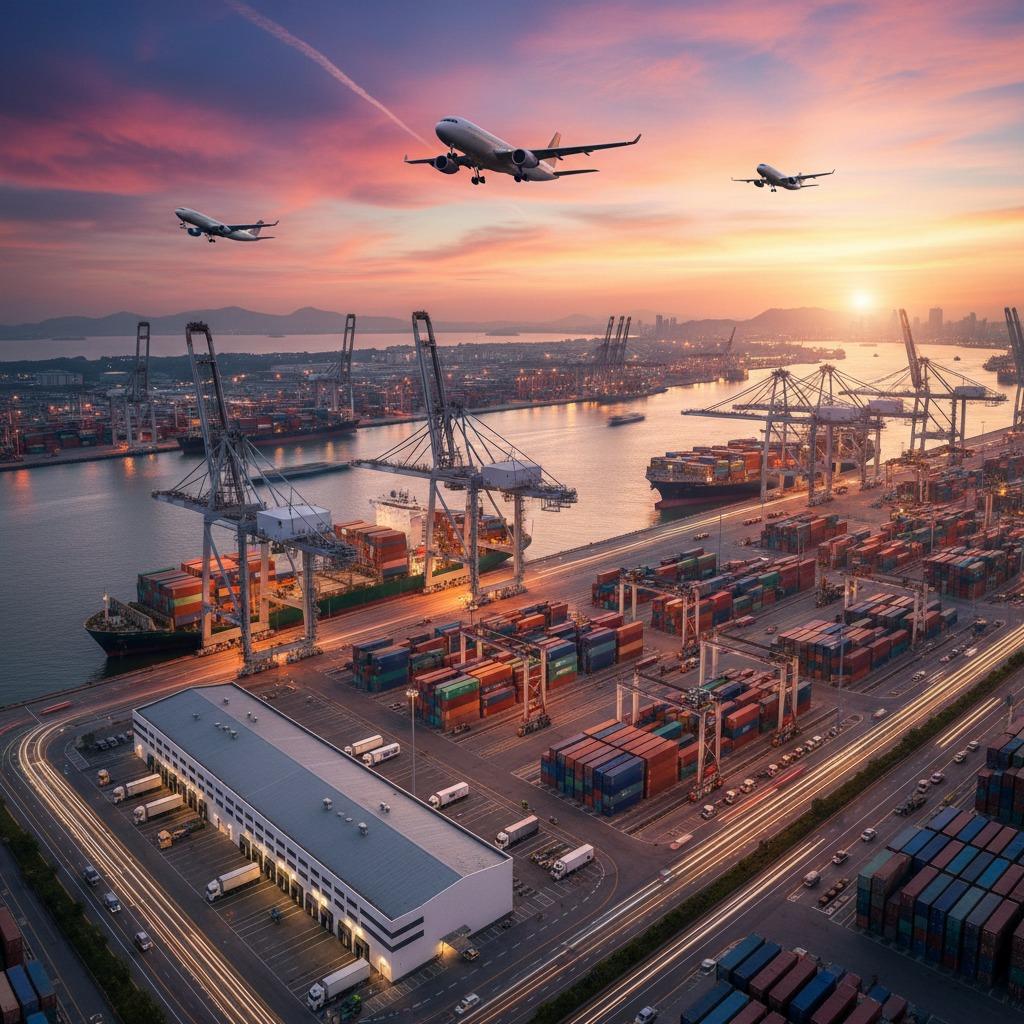
Logistics forms the backbone of global trade, encompassing the planning, execution, and control of the movement and storage of goods, services, and information from origin to consumption. In today's interconnected world, effective logistics ensures that products reach their destinations efficiently and on time. At the heart of modern logistics lies innovative solutions like the Air-Sea Connect System, which integrates maritime shipping with air travel to provide seamless transitions between sea and sky. This revolutionary approach addresses the core challenges of speed and reliability in logistics, making it indispensable for businesses aiming to thrive in competitive markets.
Understanding logistics begins with recognizing its multifaceted nature. It involves coordination across various modes of transportation, inventory management, and supply chain optimization. For instance, the Air-Sea Connect System exemplifies how logistics can blend the robustness of cargo vessels and tugboats with the agility of state-of-the-art aircraft, enabling rapid long-distance travel while maintaining operational precision at bustling docks equipped with towering cranes.
How Does the Air-Sea Connect System Revolutionize Logistics?
The Air-Sea Connect System transforms traditional logistics by offering unprecedented flexibility and speed. Imagine a scenario where advanced cargo vessels maneuver through coordinated naval operations, perfectly timed with aircraft soaring overhead for immediate transfers. This system caters to the demands of global trade, reducing transit times and enhancing reliability. In logistics, such integration minimizes delays caused by modal shifts, ensuring that containers stacked efficiently at ports are swiftly loaded onto planes for worldwide distribution.
One key advantage in logistics is the system's ability to handle diverse cargo types with aerodynamic precision and engineering excellence. Businesses benefit from this by achieving faster market access, which is crucial in industries like e-commerce and manufacturing. The Air-Sea Connect System not only streamlines operations but also incorporates sustainable practices, aligning with the growing emphasis on eco-friendly logistics solutions.
Furthermore, logistics professionals appreciate how this system optimizes resource use, from tugboat maneuvers to crane operations, creating a ballet of efficiency that redefines transportation norms. By uniting air and sea, it positions companies at the forefront of innovation, ready to tackle the complexities of international supply chains.
What Role Does Our State-of-the-Art Logistics Hub Play in Modern Operations?
Our state-of-the-art logistics hub stands as a pinnacle of efficiency, serving as an integrated multi-modal transportation center that connects air, land, and sea freight seamlessly. In the realm of logistics, this facility ensures high-volume processing with expansive loading docks designed for trucks, alongside advanced warehouses featuring climate control and inventory management technology. Rail lines provide sustainable overland options, while cargo planes and bustling ports with cranes facilitate global connectivity.
Logistics at this hub is about forward-thinking architecture and strategic positioning. For example, the warehouse complex's sleek design supports optimal conditions for goods, from perishables to electronics, enhancing overall supply chain management. This setup reduces bottlenecks, allowing for swift loading and unloading that keeps logistics flowing without interruption.
Businesses relying on robust logistics find this hub invaluable for its ability to link major distribution networks efficiently. Whether it's maritime operations at the expansive port or aerial routes overhead, the facility redefines global transportation, offering a beacon of innovation in logistics.
How Does the Automated Smart Port System Enhance Logistics Efficiency?
The Automated Smart Port System represents the next leap in intelligent logistics, integrating artificial intelligence, advanced sensors, and autonomous vehicles to optimize container handling. In logistics, this technology maximizes throughput during peak hours, reduces human error, and bolsters safety with real-time data analytics. Eco-friendly electric vehicles further align it with sustainable practices, making it a green choice for port operations.
Logistics benefits immensely from the system's precision in managing cranes and cargo flows, ensuring seamless global shipping. It connects commerce with speed and accuracy, minimizing downtime and enhancing overall efficiency. For companies, adopting such logistics tools means lower costs and higher reliability in their supply chains.
Moreover, the Smart Port System's design fosters innovation, allowing logistics operations to scale with demand. By automating routine tasks, it frees up resources for strategic planning, positioning it as a revolutionary force in modern logistics.
Frequently Asked Questions About Logistics Innovations
Q: What makes the Air-Sea Connect System unique in logistics?
A: It uniquely combines sea and air transport for faster, more reliable global trade, with seamless transitions at advanced docks.
Q: How does the logistics hub support multi-modal freight?
A: By integrating air, land, and sea with cutting-edge facilities like warehouses and rail lines for efficient cargo movement.
Q: Is the Automated Smart Port System environmentally friendly?
A: Yes, it uses electric vehicles and AI to promote sustainable logistics practices while boosting operational speed.
Q: Why is effective logistics crucial for businesses today?
A: It ensures timely delivery, cost savings, and competitive advantage in a fast-paced global market.
These innovations highlight the evolving landscape of logistics, driving efficiency and connectivity worldwide.





