
Comparing Traditional Logistics with Modern Container Innovations
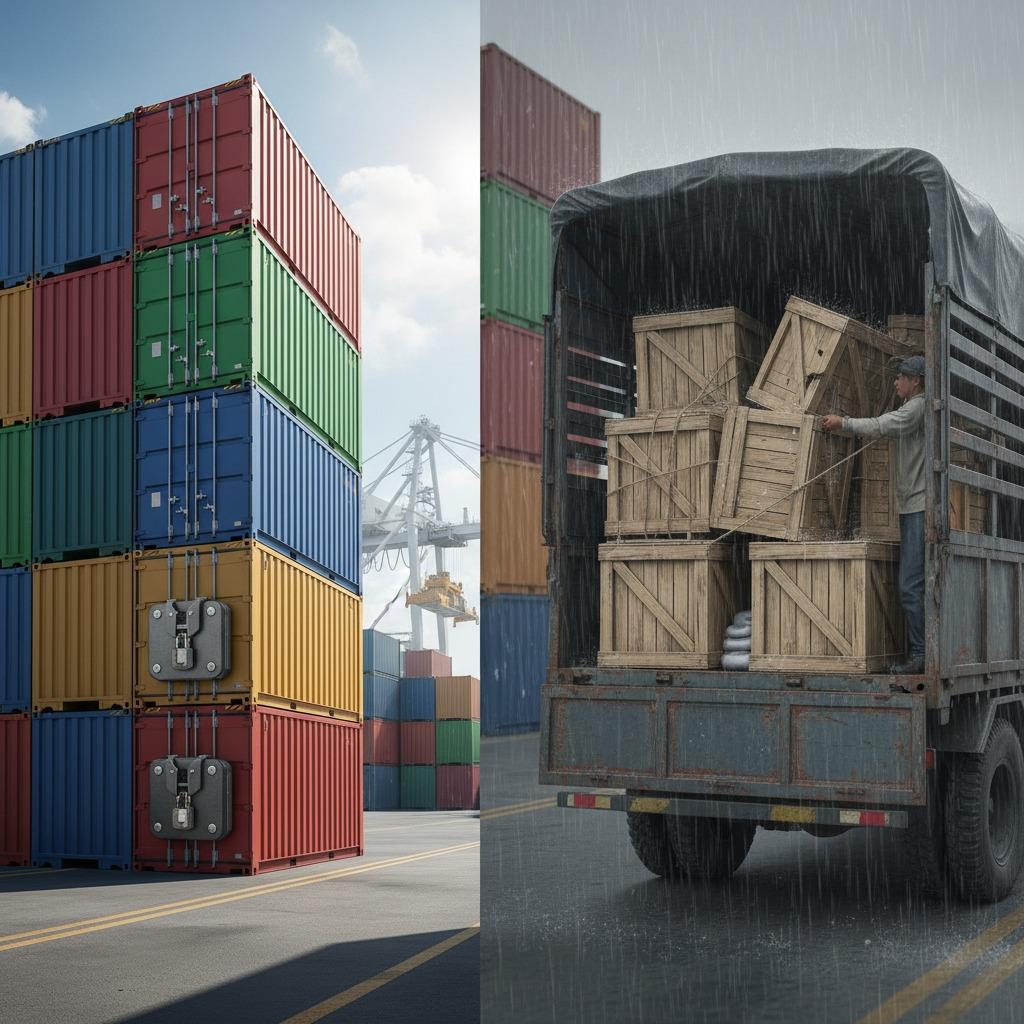
In the fast-paced world of global trade, logistics stands as the backbone, ensuring goods move efficiently from origin to destination. Traditional logistics often relied on basic methods like wooden crates and manual handling, but today's colorful shipping containers have revolutionized this field. These durable, versatile units, made from reinforced steel, offer weather resistance and secure locking mechanisms, contrasting sharply with outdated approaches that were prone to damage and inefficiency.
Durability and Security: Traditional vs. Container-Based Systems
Traditional logistics methods, such as using pallets or open trucks, exposed goods to environmental hazards and theft risks. In contrast, modern logistics with colorful shipping containers provides a robust solution. Engineered for long-term outdoor exposure, these containers protect cargo against harsh conditions while their rugged locks minimize transit vulnerabilities. For instance, in port operations, standardized dimensions allow seamless stacking, optimizing space in warehouses or shipyards—something traditional setups struggled with due to irregular shapes and poor organization. This shift not only enhances security but also reduces losses, making logistics more reliable for industries from manufacturing to retail.
Versatility and Repurposing: From Industrial to Innovative Uses
While traditional logistics focused solely on transport, often discarding materials after use, contemporary container designs emphasize adaptability. These modular structures can be repurposed into eco-friendly housing, pop-up shops, or mobile offices, blending practicality with innovation. Compare this to the wastefulness of old wooden crates, which offered no such flexibility. In logistics, the vibrant, color-coded exteriors simplify identification and organization, streamlining processes across diverse sectors. This versatility extends to sustainable practices, where containers support reduced energy consumption, unlike the resource-intensive nature of traditional methods that generated unnecessary waste.
Integration of Technology: Multimodal Transport and Smart Systems
A key contrast lies in technological integration. Traditional logistics depended on manual coordination across land, sea, and air, leading to delays and errors. Modern logistics, exemplified by advanced container ships and the Global Connect Logistics Eco-Initiative, employs AI and IoT for smart sorting, real-time tracking, and optimized global connectivity. Picture a state-of-the-art vessel with hybrid engines and load-balancing algorithms, docking seamlessly with tugboat assistance—far surpassing the limitations of older ships that lacked such precision. This multimodal network ensures swift deliveries to remote areas, reducing downtime and carbon footprints, while traditional systems often faltered in scalability for small businesses or multinationals.
Sustainability and Efficiency: Eco-Initiatives in Action
Sustainability marks another profound difference. Traditional logistics contributed heavily to emissions through inefficient fuel use and non-recyclable materials. In opposition, innovative logistics solutions prioritize eco-friendly operations, like emission-reducing fuels and modular scalability. The golden-hour imagery of bustling ports with aligned cargo containers symbolizes this commitment, where maritime marvels and aviation excellence converge for minimal environmental impact. These advancements not only cut costs but also align with global green standards, transforming logistics into a force for positive change rather than a polluter.
By comparing these elements, it's evident that while traditional logistics laid the foundation, modern container innovations elevate the entire ecosystem. From enhanced security to smart technology, the evolution underscores a more connected, efficient, and sustainable future for global commerce.





