
Traditional vs. Modern Logistics: A Comparative Analysis
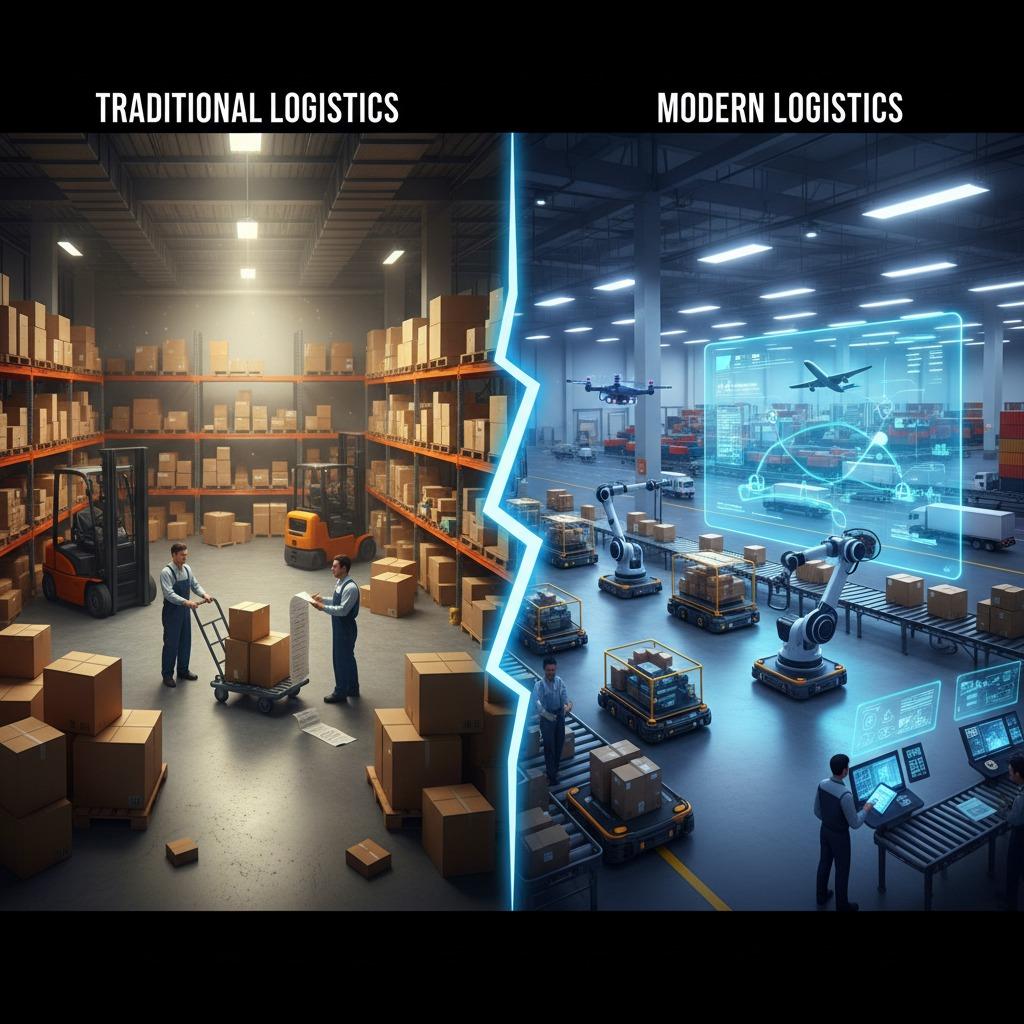
In the evolving world of logistics, the main keyword revolves around optimizing supply chains for efficiency and reliability. Traditional logistics often relied on manual processes and siloed operations, while modern logistics integrates cutting-edge technology to streamline global trade. This comparison highlights how advancements in freight transport, multimodal networks, and port technologies are reshaping the industry, offering businesses a chance to enhance performance and sustainability.
Freight Trucks: Power and Reliability in Road Logistics
When contrasting traditional freight trucks with advanced models, the differences in design and capability become evident. Older trucks typically featured basic engines and limited cargo space, leading to higher fuel consumption and frequent breakdowns. In contrast, modern advanced freight trucks boast sleek, aerodynamic designs with vibrant red cabs for better visibility, as seen in fleets cruising highways. These vehicles offer high cargo capacity for containers like COSCO or CAPITAL, equipped with engines that prioritize fuel efficiency and reduced emissions. Safety features such as anti-lock braking systems and telematics further set them apart, ensuring smooth, long-haul operations. Versatility across urban and highway terrains, combined with Euro-compliant sustainability, makes these trucks a superior choice for logistics companies aiming for scalability and eco-friendliness, far surpassing the limitations of their predecessors.
Multimodal Ecosystems: Integrating Air, Rail, Road, and Sea
Traditional logistics often treated transport modes in isolation, resulting in delays and inefficiencies across the supply chain. Modern logistics, however, thrives on interconnected ecosystems that blend air, rail, road, and maritime networks. Drones and cargo planes handle swift aerial deliveries, reducing last-mile times, while futuristic trains and autonomous trucks navigate AI-optimized routes on solar-powered infrastructures. Maritime operations benefit from expansive ports with automated systems, contrasting sharply with outdated manual handling that caused bottlenecks. At the core, digital control centers using IoT and big data predict demands and monitor flows, ensuring seamless coordination. This holistic approach not only accelerates global connectivity but also emphasizes sustainability, outpacing traditional methods by minimizing congestion and environmental impact.
Port and Cargo Handling: Efficiency in Maritime Hubs
Comparing conventional ports to state-of-the-art facilities reveals stark advancements in operational speed and precision. Traditional setups struggled with slow loading via basic cranes and disorganized storage, often leading to extended ship turnaround times. Modern container ports, equipped with massive gantry cranes for rapid container handling, integrate efficiently with docked high-capacity ships designed for fuel efficiency. Strategic dock layouts enable simultaneous operations, while on-dock storage cuts transport times to road and rail links. Enhanced systems, including automated scheduling, connect maritime logistics to broader networks, fostering hassle-free goods movement. These innovations exemplify operational excellence, providing faster, greener shipping that traditional ports could never match, ideal for exporters and multinational firms navigating global trade demands.
The Future Edge: Why Modern Logistics Prevails
Ultimately, the shift from traditional to modern logistics underscores a transformative leap in efficiency, safety, and environmental responsibility. While legacy systems served their era, today's solutions— from powerful freight trucks to integrated multimodal hubs and advanced ports—deliver unmatched reliability and scalability. Businesses adopting these technologies gain a competitive advantage, reducing costs and enhancing customer satisfaction in an increasingly connected world. Embracing this evolution ensures logistics not only meets but exceeds the demands of tomorrow's commerce.





