
Traditional Logistics vs. Modern Innovations: A Comparative Analysis
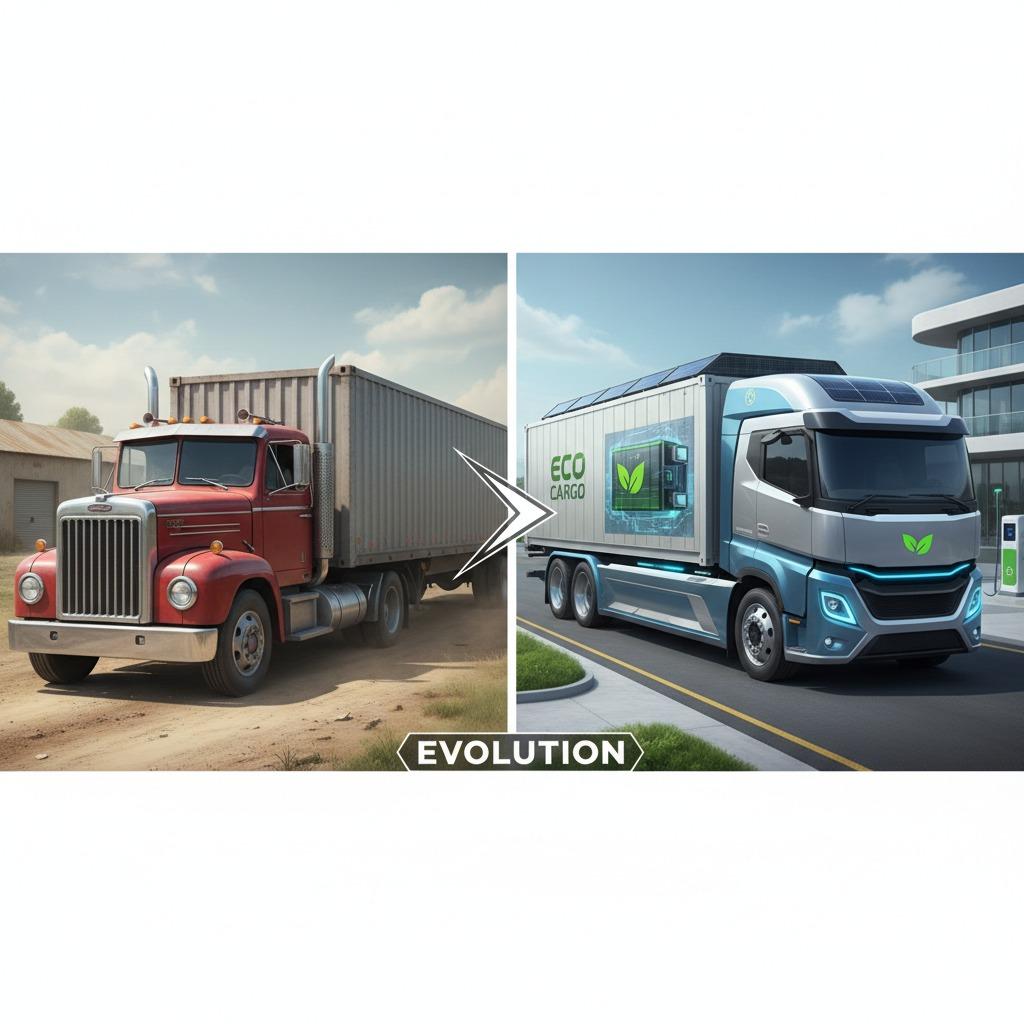
In the world of logistics, efficiency and reliability stand as the cornerstones of successful supply chain management. Traditional logistics has long relied on conventional methods to move goods across distances, but the advent of advanced technologies is reshaping this landscape. This article compares traditional logistics approaches with modern innovations, highlighting how contemporary fleets, smart hubs, and optimized ports are revolutionizing the industry. By examining these elements, we uncover the shifts toward sustainability, automation, and global connectivity that define today's logistics paradigm.
The Evolution of Fleet Transportation: Container Trucks in Focus
Traditional logistics often depended on basic truck fleets for road transport, where manual operations and standard engines dominated. In contrast, modern container trucks, like the advanced fleet showcased in recent innovations, bring aerodynamic designs, enhanced powertrains, and safety features such as adaptive cruise control and anti-collision systems. These trucks, with their sleek red cabins and eco-friendly engines, reduce fuel consumption by up to 20% compared to older models, offering superior stability on highways for long-haul journeys. While traditional setups prioritized sheer capacity, today's logistics emphasizes driver comfort through ergonomic interiors and infotainment, minimizing fatigue on extended routes. This shift not only boosts reliability but also aligns with global emissions standards, making modern trucks a stark improvement over their predecessors in both performance and environmental impact.
Smart Hubs: Integrating Multimodal Transport for Future-Proof Logistics
When comparing traditional logistics hubs—often siloed facilities handling one mode of transport like rail or sea—to next-generation smart hubs, the differences are profound. Conventional hubs suffer from bottlenecks and manual coordination, leading to delays in cargo handling. Modern logistics hubs, however, integrate air, rail, maritime, and road seamlessly through AI-powered control systems and IoT sensors for real-time data. Autonomous drones and self-driving trucks in these hubs cut human dependency, enhancing cost efficiency and accuracy in parcel deliveries. Sustainability is another key contrast: while traditional setups guzzle energy, smart hubs incorporate solar farms and eco-friendly vehicles to slash carbon footprints. Predictive maintenance via embedded sensors prevents breakdowns, ensuring smoother operations than the reactive fixes of old logistics models. This integrated approach not only streamlines freight flow but also fosters layered connectivity, from high-speed rails to optimized ports, transforming global supply chains into agile, resilient networks.
Maritime Advancements: Container Ports and Cargo Ships Redefining Global Trade
Traditional port logistics relied on manual labor and basic cranes, often resulting in slow loading times and higher error rates during container transfers. In sharp contrast, next-generation container ports feature towering gantry cranes with automation and robotics, enabling precise, rapid handling that minimizes delays. Paired with optimized cargo ships boasting fortified hulls, advanced navigation, and energy-efficient engines, these facilities handle immense volumes while reducing environmental impact—unlike the fuel-heavy vessels of the past. Real-time vessel tracking and smart management tools in modern ports provide analytics that traditional systems lacked, synchronizing operations across sea, rail, and road for unparalleled efficiency. This evolution in logistics underscores a move from labor-intensive processes to tech-driven precision, supporting high-volume international trade without the disruptions common in older infrastructures.
Why the Shift to Modern Logistics Matters
The comparison between traditional and modern logistics reveals a clear trajectory toward innovation. Where old methods focused on endurance and basic functionality, contemporary solutions prioritize speed, safety, and sustainability. Advanced truck fleets offer reliability without compromising the planet; smart hubs eliminate silos for holistic connectivity; and optimized ports accelerate global commerce. For businesses, adopting these modern elements in logistics means lower costs, fewer errors, and a competitive edge in an ever-growing market. As we look ahead, the fusion of autonomy, AI, and green tech promises to further widen this gap, urging industries to evolve or risk obsolescence in the dynamic world of supply chain management.





