
Revolutionizing Logistics with Multi-Terrain Smart Containers
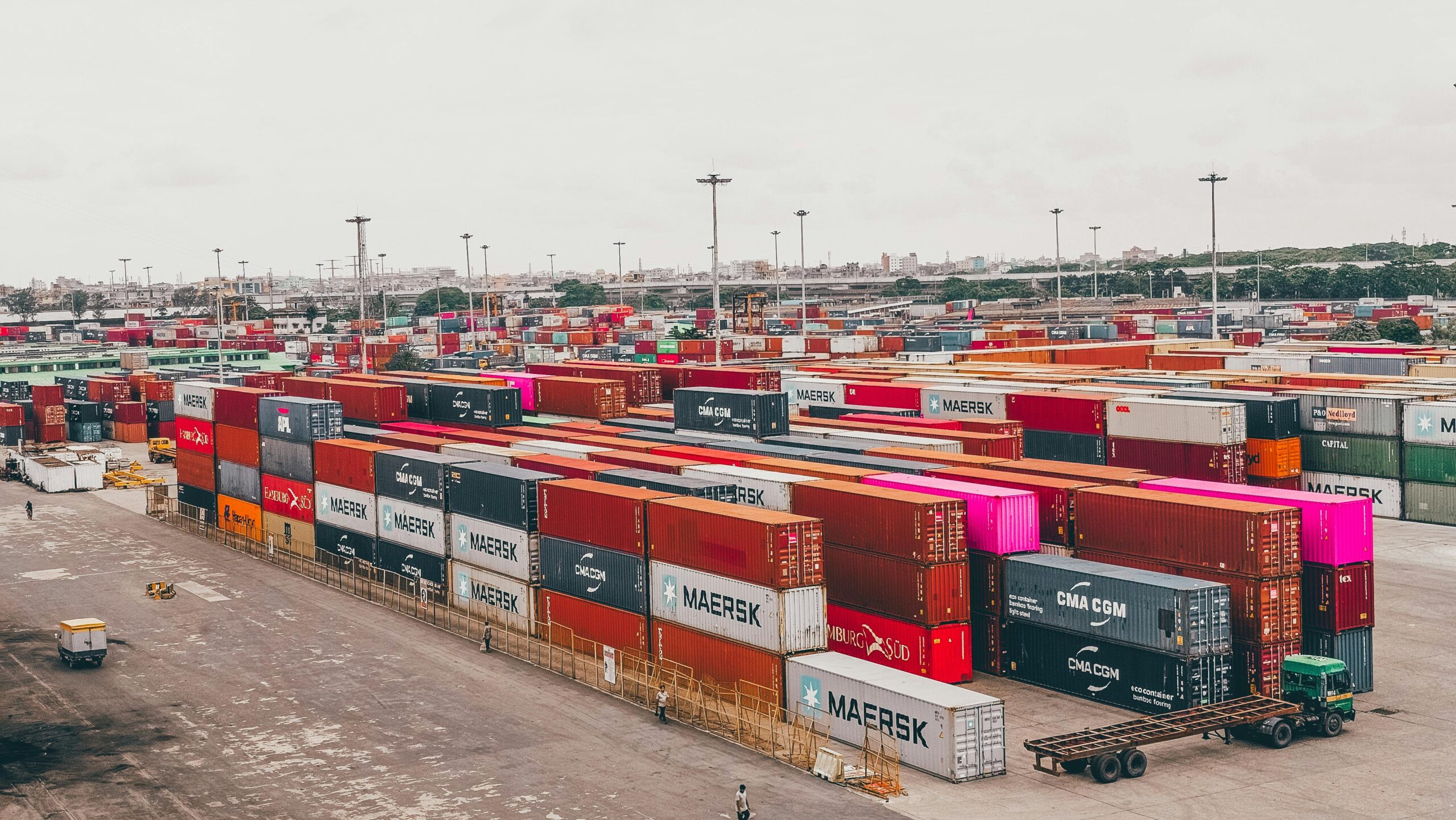
In the dynamic world of logistics, efficiency and adaptability are paramount. Our latest innovation, the Multi-Terrain Smart Containers, represents a groundbreaking advancement in logistics management. These containers are engineered to navigate diverse environments—from urban roadways to rugged off-road terrains—ensuring seamless transportation of goods. By integrating cutting-edge technology, they address common pain points in traditional logistics, such as delays and environmental vulnerabilities, providing businesses with reliable logistics solutions that enhance overall supply chain performance.
Advanced Features in Logistics Software Integration
At the core of these smart containers is a sophisticated logistics software system that leverages Internet of Things (IoT) capabilities for real-time data processing. The embedded sensors continuously monitor key parameters like location, humidity, and vibration levels, transmitting this information via secure cloud-based logistics software. This allows operators to implement predictive analytics for route optimization, reducing fuel consumption by up to 25% and minimizing downtime. For instance, the software's AI-driven algorithms can anticipate potential disruptions, such as weather changes, and suggest alternative paths in real-time. This level of integration transforms logistics management from reactive to proactive, empowering companies to scale operations without proportional increases in overhead costs. The containers' compatibility with existing enterprise resource planning (ERP) systems further streamlines workflows, making adoption straightforward for businesses of all sizes.
Sustainable and Secure Logistics Solutions
Sustainability is woven into the fabric of our Multi-Terrain Smart Containers, utilizing recycled composites and low-emission manufacturing processes to lower the carbon footprint associated with logistics. The temperature-controlled interiors, powered by energy-efficient thermoelectric modules, maintain precise conditions for perishable items, from pharmaceuticals to fresh produce, without relying on external power sources during transit. Security features include biometric locking systems and tamper-evident seals, integrated with blockchain technology within the logistics software to provide an immutable audit trail. This ensures compliance with international standards like ISO 28000 for supply chain security. In practice, these enhancements have resulted in a 40% reduction in cargo losses for early adopters, demonstrating how robust logistics solutions can safeguard assets while promoting eco-friendly practices.
Implementing Effective Logistics Management Strategies
To maximize the potential of these containers, effective logistics management involves a phased approach: initial assessment of current supply chain bottlenecks, followed by customized deployment of the smart units. Training modules within the logistics software facilitate quick onboarding, with dashboards offering intuitive visualizations of key performance indicators (KPIs) such as delivery times and inventory turnover. Case studies from diverse industries, including e-commerce and manufacturing, illustrate how integrating these containers has boosted throughput by streamlining last-mile delivery. For example, in a multi-modal transport scenario involving sea and rail, the containers' adaptive suspension systems absorb shocks, preserving product integrity while the software coordinates handoffs between carriers. This holistic approach to logistics management not only cuts costs but also fosters resilience against global disruptions like port congestions or geopolitical tensions.
The Future of Logistics with Innovative Technology
Looking ahead, the evolution of logistics solutions powered by our Multi-Terrain Smart Containers points toward fully autonomous operations. Future updates to the logistics software will incorporate machine learning for dynamic pricing models and enhanced predictive maintenance, further elevating efficiency. Businesses adopting these technologies today position themselves as leaders in a competitive landscape, where agility and data-driven decisions define success. By breaking free from outdated logistics paradigms, companies can achieve unprecedented levels of precision and sustainability, ensuring their operations thrive in an ever-changing global market.





