
Revolutionizing Logistics: Overcoming Global Supply Chain Challenges
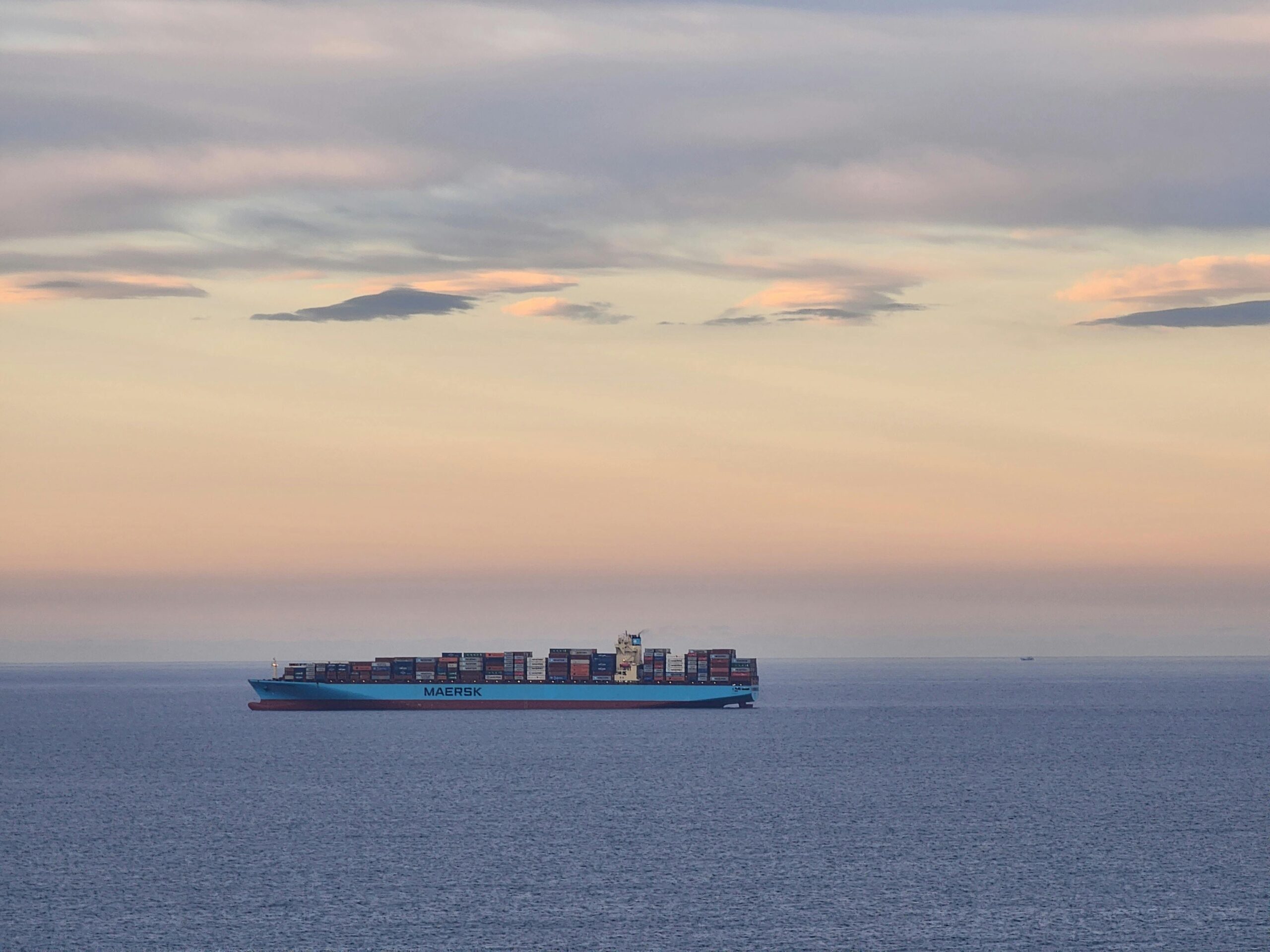
In today's fast-paced global economy, logistics stands as the backbone of international trade, yet it often grapples with inefficiencies that lead to delays, increased costs, and environmental strain. Businesses frequently face problems like fragmented logistics operations, outdated tracking systems, and rising fuel demands in marine transport, which disrupt supply chains and inflate operational expenses. For instance, traditional shipping methods can result in significant cargo backlogs and higher carbon footprints, making it challenging to meet customer demands while adhering to sustainability goals. The core issue in logistics is balancing speed, cost, and reliability without compromising on eco-friendliness, a dilemma that affects companies worldwide.
Streamlining Logistics Operations with Innovative Vessel Design
To address these pain points, advanced logistics operations are essential, and the Maersk Triple-E Class container ship emerges as a game-changer. This engineering marvel tackles the inefficiencies in logistics operations by carrying over 18,000 TEU, allowing for massive cargo volumes in a single voyage. This reduces the number of trips needed, directly cutting down on fuel use and operational delays. The ship's streamlined hull optimizes hydrodynamics, minimizing resistance and ensuring smoother sailing, which is crucial for reliable logistics operations across oceans. By integrating waste heat recovery systems, it enhances engine efficiency and lowers emissions, providing a practical solution to the environmental challenges in traditional shipping. Companies adopting such innovations in their logistics operations can achieve up to 20% fuel savings, transforming potential bottlenecks into seamless workflows.
Harnessing Logistics Software for Enhanced Efficiency
Beyond physical vessels, logistics software plays a pivotal role in solving the coordination hurdles in complex supply chains. The Maersk Triple-E integrates with cutting-edge logistics software that offers real-time tracking and predictive analytics, allowing operators to monitor cargo status and anticipate disruptions. This software addresses the problem of information silos in logistics by providing a unified platform for route optimization and inventory management, ensuring that every aspect of the journey—from port to port—is meticulously planned. For businesses, implementing such logistics software means fewer errors in scheduling and better resource allocation, which can reduce overall logistics costs by streamlining data flow and decision-making processes. The result is a more agile operation that responds swiftly to market changes, turning logistical headaches into competitive advantages.
Comprehensive Logistics Solutions for Sustainable Future
Ultimately, effective logistics solutions like the Maersk Triple-E Class combine hardware and software to deliver holistic improvements. This vessel's advanced safety features and sophisticated navigation systems mitigate risks associated with global trade routes, offering robust logistics solutions that prioritize security alongside efficiency. By reducing emissions through innovative design and supporting it with intelligent logistics software, these solutions not only solve immediate operational problems but also align with global sustainability standards. Businesses can leverage such integrated logistics solutions to expand their reach, lower their carbon footprint, and enhance customer satisfaction. In essence, the Maersk Triple-E represents a forward-thinking approach to logistics, empowering companies to navigate the complexities of international shipping with confidence and precision.
As industries continue to evolve, investing in superior logistics operations, software, and solutions will be key to staying ahead. The Maersk Triple-E Class exemplifies how targeted innovations can resolve longstanding issues, paving the way for a more efficient and greener logistics landscape.





