
Revolutionizing Global Trade: The Future of Logistics
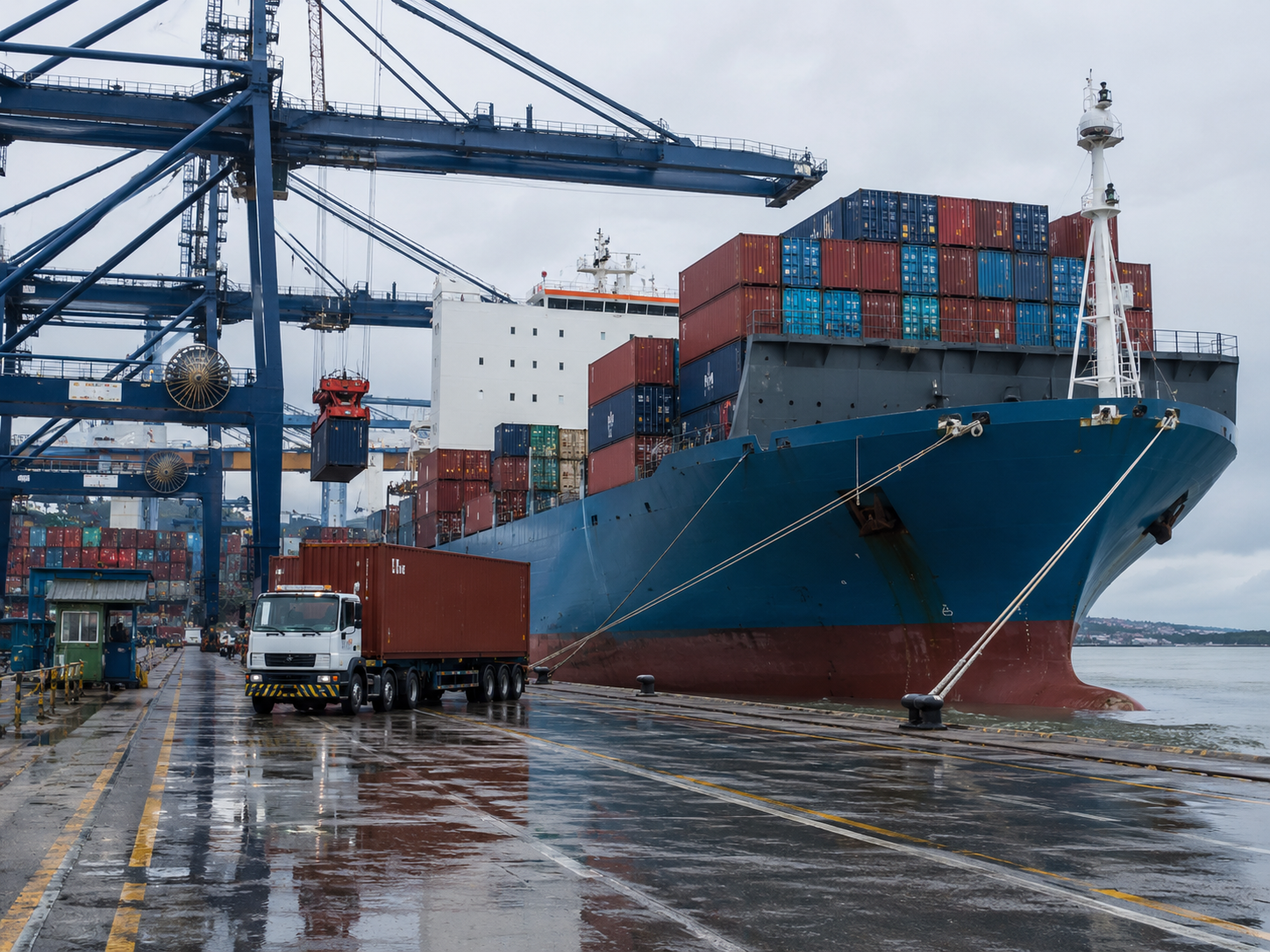
In the fast-paced world of international commerce, logistics stands as the backbone that keeps economies thriving. Imagine vast container ships slicing through ocean waves, their decks alive with stacks of brightly colored cargo, while sleek cargo planes soar overhead, ready to whisk urgent shipments across continents. This dynamic interplay of air and sea transport is transforming how goods move, reducing delays and boosting efficiency in ways previously unimaginable. At the heart of this evolution is a seamless integration that marries the high-capacity might of maritime vessels with the swift agility of aviation, creating a logistics network that's both powerful and precise.
The Seamless Fusion of Air and Maritime Cargo
Picture a bustling logistical hub where innovation comes alive. Here, robust containers—engineered from weather-resistant materials—transition effortlessly from the deck of a massive container ship to the expansive hold of a specialized aircraft. These dual-mode carriers, designed for intermodal transport, eliminate the bottlenecks that once plagued supply chains. Forklifts hum with purpose, deftly maneuvering palletized goods under the watchful eye of AI-driven automation. This cutting-edge system optimizes every movement, from warehouse loading to final delivery, ensuring that logistics flows like a well-orchestrated symphony. The result? Transit times slashed dramatically, allowing businesses to respond to market demands with unprecedented speed. No longer confined by the slow rhythm of sea voyages alone, this hybrid approach brings the reliability of maritime shipping together with the urgency of air freight, painting a vivid picture of global connectivity.
Enhancing Efficiency with Containerized Freight Systems
Delving deeper into the mechanics, the Containerized Freight System emerges as a cornerstone of modern logistics. These sturdy containers, secured with high-grade packaging, safeguard cargo against the harshest elements, whether enduring salty sea sprays or turbulent skies. Handheld scanners and digital clipboards capture every detail in real-time, providing unparalleled visibility into shipment progress. This technology not only minimizes errors but also ensures compliance with stringent international standards, fostering trust in every transaction. Envision a scenario where a fleet of trucks, equipped with advanced navigation, awaits at the port to whisk containers inland, completing the triad of sea, air, and road transport. The vibrancy of this setup—tugboats guiding behemoth ships, planes descending gracefully, and ground crews in synchronized motion—illustrates a logistics ecosystem that's as resilient as it is responsive. Businesses leveraging this system report enhanced productivity, lower damage rates, and the flexibility to scale operations globally, turning potential challenges into opportunities for growth.
Redefining Standards in Integrated Transportation
As we gaze toward the horizon of supply chain innovation, the integrated transportation system heralds a new era in logistics. This holistic approach weaves together the strengths of multiple modalities: the sheer volume of ocean freighters, the rapid reach of cargo aircraft, and the door-to-door precision of road haulage. A single journey might begin on a colossal vessel, its hull groaning under the weight of maximized payloads, then pivot to the skies for time-critical legs, and conclude with trucks racing toward eager customers. The synergy is mesmerizing—AI algorithms predict and preempt disruptions, automation streamlines handling, and real-time tracking empowers decision-makers with actionable insights. This isn't just about moving goods; it's about igniting possibilities. For companies eyeing expansion, this logistics framework offers the agility to navigate volatile markets, the capacity to handle surging demands, and the assurance that every link in the chain is fortified. In an interconnected world, where delays can cascade into losses, embracing such integrated logistics isn't merely advantageous—it's essential for staying ahead.
Embracing the Promise of Tomorrow's Logistics
Ultimately, the evolution of logistics through air-maritime integration promises a future where distance is no barrier and efficiency knows no bounds. From the thunderous arrival of a cargo plane at a hybrid hub to the quiet efficiency of automated warehouses, every element is crafted to elevate the human endeavor of trade. As industries adapt to this paradigm, the vivid imagery of synchronized operations—containers taking flight, ships forging paths across vast seas, and trucks bridging the last mile—serves as a testament to human ingenuity. This isn't the end of logistics as we know it; it's the dawn of a more fluid, faster, and far-reaching reality, ready to propel businesses into prosperous new territories.





