
Revolutionizing Global Trade: The Power of Modern Logistics
In the fast-paced world of international commerce, logistics stands as the backbone that keeps economies moving. From air cargo to maritime shipping, efficient logistics ensures that goods reach their destinations swiftly and securely. This article explores how innovative solutions are transforming the logistics landscape, making it more efficient, sustainable, and reliable for businesses worldwide.
Advancements in Air Cargo Logistics
Air transportation has seen remarkable innovations, particularly with state-of-the-art cargo aircraft designed for superior efficiency. These aircraft feature optimized cargo door designs that allow for quick access and handling of large volumes of goods. The large doors reduce downtime at airports, enabling logistics operations to maximize throughput. Coupled with high-capacity loading equipment like hydraulic lift platforms, operators can manage everything from lightweight packages to heavy pallets with precision and ease.
Robust security measures further enhance these systems. Pallets are expertly wrapped and stacked using composite materials that protect sensitive items from external elements throughout their journey—covering first-mile pickup, mid-mile transit, and last-mile delivery. The aircraft's aerodynamic build ensures optimal fuel efficiency, even when fully loaded, making it an eco-friendly choice for global logistics. Industries such as e-commerce, pharmaceuticals, and technology benefit immensely, as this setup prioritizes speed, safety, and scalability. Whether transporting essential supplies or high-value luxury goods, these advancements set new standards in operational excellence within logistics.
The Role of Maritime Logistics in International Trade
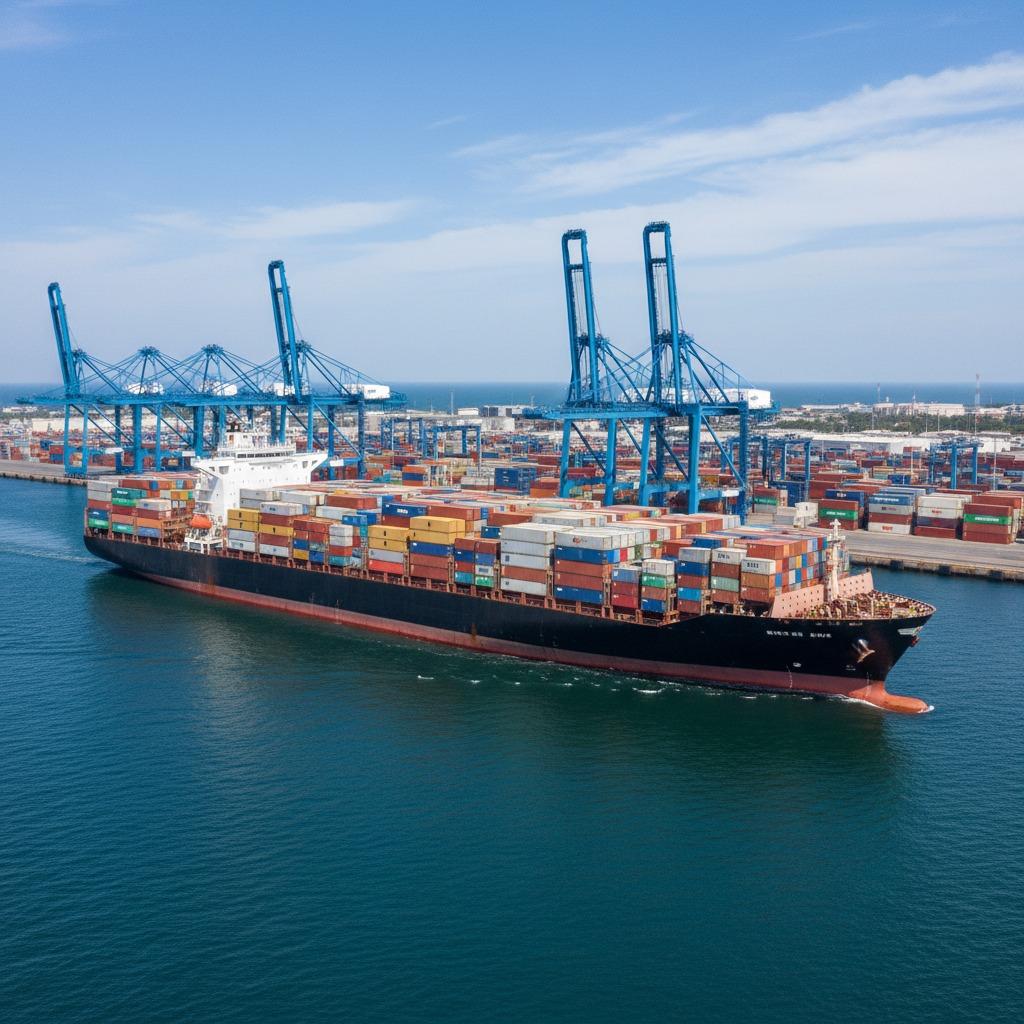
Shifting focus to the seas, maritime logistics plays a crucial role in handling massive volumes of cargo. Modern container cargo ships exemplify this, boasting impressive capacities and cutting-edge engineering. These vessels carry multicolored containers in a color-coded system that streamlines organization and tracking, ensuring seamless interconnectivity across global supply chains.
The ships' sleek hulls minimize drag for better fuel efficiency, while advanced navigational technology in the bridge provides captains with real-time data for safe and controlled voyages, even in challenging conditions. Docked at ports alongside colossal cranes, these ships facilitate efficient loading and unloading, harmonizing with port operations to keep logistics flowing without interruption. Sustainability is at the forefront, with energy-efficient engines and eco-friendly practices reducing the environmental impact of maritime logistics. This not only supports international economies but also symbolizes innovation and resilience in an ever-evolving trade environment.
Integrating Air and Sea for Comprehensive Logistics Solutions
The true power of logistics emerges when air and maritime systems integrate effectively. By combining the speed of cargo aircraft with the capacity of container ships, businesses can create hybrid logistics strategies that optimize routes and reduce costs. For instance, high-value items might fly via advanced air systems, while bulk goods travel by sea, ensuring timely delivery without compromising on efficiency.
In today's global market, logistics must adapt to demands like just-in-time delivery and supply chain transparency. Technologies such as IoT tracking and AI-driven route optimization are revolutionizing how cargo is managed, minimizing delays and enhancing visibility. Ports and airports worldwide are upgrading infrastructure to support these integrated approaches, fostering a more connected logistics network.
Ultimately, the evolution of logistics is about more than just transportation—it's about building resilient supply chains that drive economic growth. As companies embrace these innovations, they position themselves to thrive in a competitive landscape, ensuring that goods move reliably from origin to destination.





