
Comparing Traditional Logistics with the Latest Container Truck Fleet
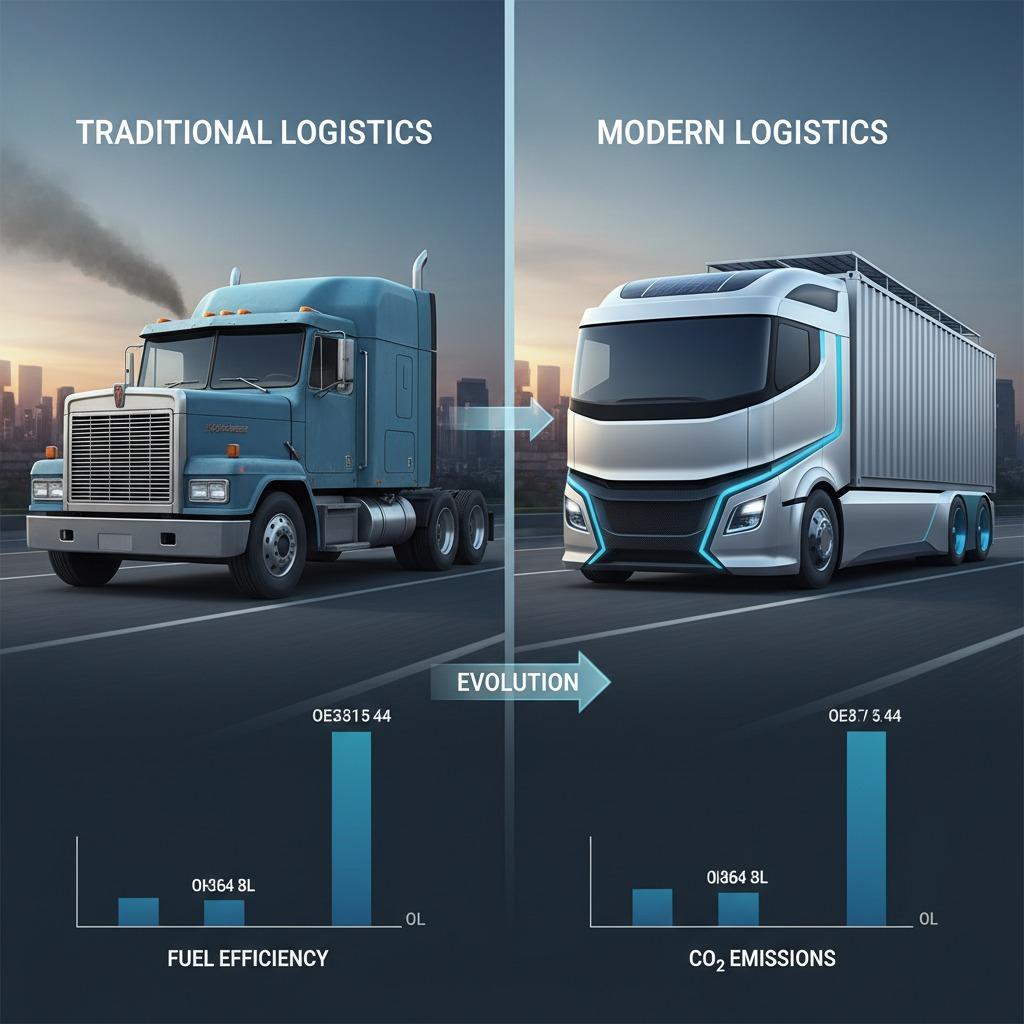
In the world of logistics, efficiency and precision are paramount, and the introduction of our latest fleet of high-performance container trucks marks a significant evolution from traditional methods. Traditional logistics often relied on older vehicles with basic designs, leading to higher fuel consumption and longer transit times. In contrast, these striking red trucks boast sleek, aerodynamic shapes that reduce drag and enhance fuel efficiency, all while ensuring robust durability for heavy-load containers. This comparison highlights how modern logistics can achieve greater stability and speed, transforming routine shipments into seamless operations across industries.
Contrasting Fleet Management: Manual vs. Digital Integration
While traditional logistics management depended heavily on manual tracking and route planning, which often resulted in delays and errors, our new container trucks integrate advanced digital tools like GPS tracking and fleet management software. This shift allows for real-time monitoring and route optimization, contrasting sharply with the unpredictability of older systems. For instance, the reinforced cabins and advanced fastening systems in these trucks ensure maximum stability during transit, a level of reliability that manual processes could rarely match. By comparing these approaches, it's clear that digital integration in logistics not only minimizes human error but also boosts overall productivity for businesses handling global connectivity.
Evaluating Sustainability: Old-School vs. Green Innovations in Logistics
Sustainability remains a key differentiator when contrasting traditional logistics practices with our innovative fleet. Older trucks typically guzzled fuel and contributed to higher environmental impacts, whereas these high-performance vehicles feature fuel-efficient engines designed for long-haul routes, aligning with the green logistics movement. The emphasis on lane discipline and well-maintained roads in our operations further underscores a commitment to safety and timely delivery, unlike the haphazard routes of the past. This comparison reveals how modern logistics prioritizes eco-friendly solutions without compromising on capacity or reliability, making it an excellent choice for environmentally conscious companies.
Exploring the Smart Logistics Ecosystem: A Broader Contrast to Conventional Systems
Beyond individual trucks, our Smart Logistics and Transportation Ecosystem represents a comprehensive upgrade over fragmented traditional setups. Conventional logistics hubs often struggled with siloed operations across air, sea, rail, and road, leading to inefficiencies. In contrast, our integrated transportation hub converges these modes with unparalleled speed, featuring aerial cargo drones for last-mile delivery and digital command centers with holographic interfaces and AI-driven monitoring. This holistic approach in logistics optimizes everything from inventory tracking to traffic flow, reducing delivery times and errors that plagued older methods. For e-commerce and global cargo, this ecosystem's scalability and green solutions, powered by solar panels and electric technologies, far outshine the limitations of past infrastructures.
Maritime Logistics: Traditional Ports vs. High-Tech Terminals
When examining maritime aspects of logistics, traditional ports with manual crane operations pale in comparison to our cutting-edge container terminals. Older facilities faced bottlenecks in unloading and inventory management, slowing global trade. Our terminals, equipped with towering electric-powered gantry cranes and automated systems, handle large-scale cargo from robust container ships with precision and speed. Rows of neatly arranged containers integrated with real-time tracking exemplify organized, interconnected land-sea transport, contrasting the disarray of conventional ports. This advancement not only ensures timely, sustainable deliveries but also enhances economic connectivity worldwide, redefining logistics as a pillar of innovation rather than a mere necessity.
In summary, by comparing traditional logistics with these modern advancements—from efficient truck fleets to smart ecosystems and high-tech ports—the superiority of integrated, tech-driven solutions becomes evident. Businesses adopting these innovations gain reliability, speed, and sustainability, positioning themselves at the forefront of global trade.





