
Revolutionizing Logistics in the Wake of Global Trade Shifts
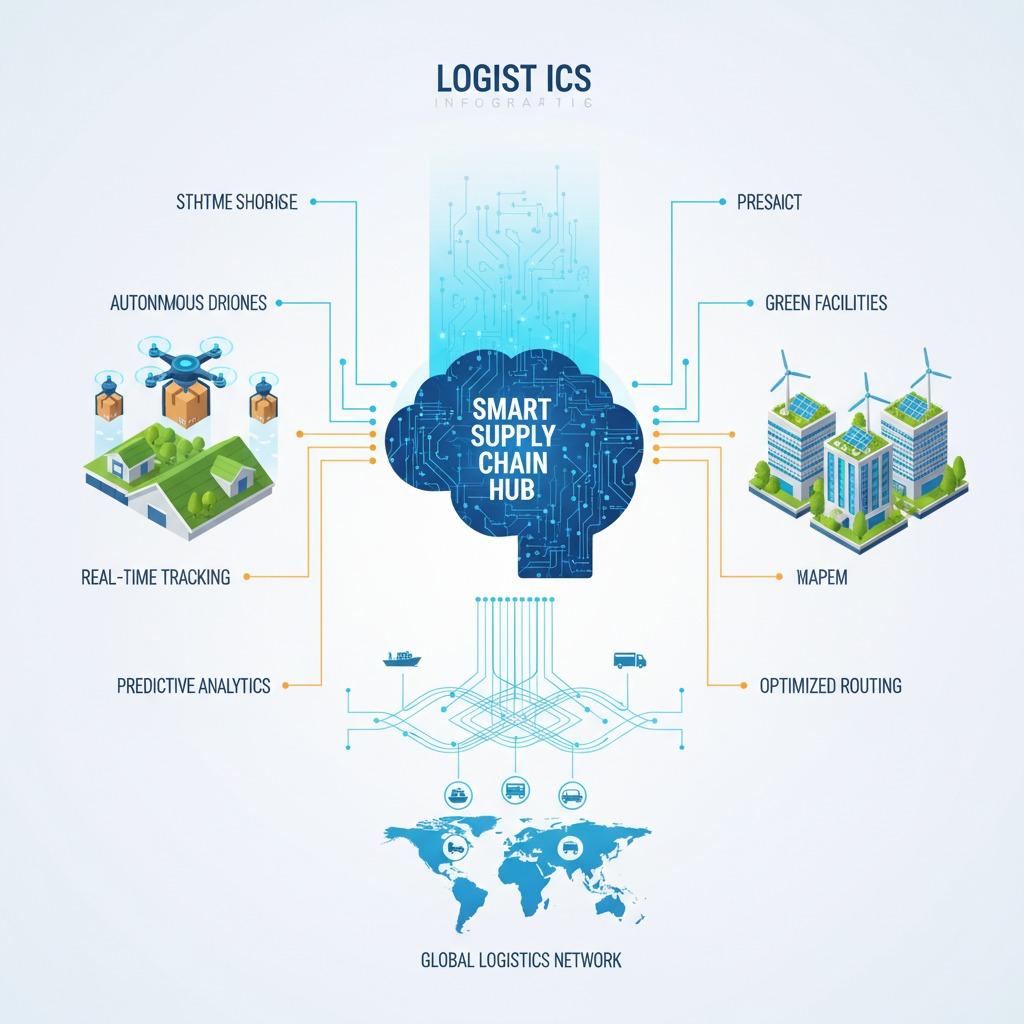
In the fast-paced world of modern commerce, logistics stands as the backbone of global trade, especially amid recent headlines about supply chain disruptions from geopolitical tensions and the push for sustainable practices. As companies scramble to adapt to these changes, innovative solutions like fully integrated smart supply chain hubs are emerging to streamline operations. This article explores how cutting-edge logistics technologies are transforming the industry, tying into the latest news on green shipping mandates and AI-driven efficiencies that promise to reshape transportation networks worldwide.
Embracing Airborne and Smart Facility Innovations
The integration of autonomous drones into logistics has gained traction following recent reports of expedited delivery demands in urban areas strained by e-commerce booms. These airborne systems, equipped with smart containers, enable rapid deliveries to hard-to-reach locations, reducing transit times and enhancing security. Complementing this, smart facility architecture powered by AI offers real-time operational data through digital display walls, optimizing warehouse management and inventory tracking. Such advancements not only address current bottlenecks highlighted in industry news but also ensure scalability for growing global trade volumes, making logistics more responsive and efficient.
Sustainable Power and Multilayered Infrastructure
Sustainability is a hot topic in logistics, especially after international summits emphasizing reduced carbon footprints in transportation. Solar panels installed on logistics hubs provide renewable energy, minimizing environmental impact while powering operations seamlessly. This green approach aligns with recent regulatory pushes for eco-friendly practices, allowing companies to cut costs and comply with new standards. Furthermore, multilayered transportation infrastructure, connecting highways, rail systems, and ports, facilitates the smooth movement of goods, reducing congestion and transit delays. By synchronizing these elements, logistics networks can handle the surge in multimodal shipping, as seen in the latest trade volume reports from major ports worldwide.
Port Optimization and the SmartPort Operations Platform
Port efficiency has been under the spotlight with news of record-breaking cargo backlogs at key global seaports. Solutions like the SmartPort Operations Platform are revolutionizing this space by integrating AI for real-time tracking of shipping containers and optimizing crane schedules. Features such as IoT sensors and predictive analytics ensure meticulous coordination of freight logistics, cutting emissions through route optimizations and boosting throughput with smart resource allocation. This platform's central dashboard delivers visual insights, empowering stakeholders to make informed decisions amid fluctuating trade demands. As maritime logistics integrates with broader supply chains, these tools are pivotal in driving faster, greener operations.
The Power of Modern Container Vessels in Global Logistics
Maritime transportation remains crucial, with recent innovations in container vessels making waves in logistics news. These modern ships, designed for high capacity and eco-friendly performance, accommodate thousands of containers while navigating diverse waters efficiently. Equipped with robust hulls and streamlined designs, they synchronize perfectly with port infrastructure, including towering cranes for seamless loading and unloading. This engineering excellence supports the rapid movement of raw materials and finished products across continents, addressing the sustainability challenges highlighted in environmental reports. By balancing functionality and green capabilities, such vessels set new benchmarks for reliability in an era of intensified global trade.
Looking Ahead: A Smarter Future for Logistics
As news cycles buzz with stories of technological disruptions in supply chains, the future of logistics lies in holistic integrations that combine airborne deliveries, smart facilities, sustainable power, optimized ports, and advanced vessels. These systems not only mitigate current challenges like delays and emissions but also foster innovation for tomorrow's demands. By adopting such visionary approaches, businesses can achieve unprecedented efficiency, ensuring they stay ahead in the evolving landscape of global transportation. The transformation is underway, promising a more connected and resilient logistics ecosystem.





