
Mastering Global Trade: A Step-by-Step Guide to Streamlining Logistics with IntelliPort
In the fast-paced world of global commerce, effective logistics is the backbone that keeps supply chains running smoothly. Whether you're shipping goods across borders or managing domestic freight, understanding how to optimize logistics can make all the difference in efficiency and cost savings. This guide will walk you through the essentials of international logistics and how innovative solutions like the IntelliPort Logistics Hub can transform your operations.
Understanding the Foundations of Logistics
Start by assessing your current logistics setup. Begin with a thorough audit of your supply chain: map out every stage from sourcing materials to final delivery. Identify bottlenecks, such as delays in customs clearance or inefficient warehouse handling. For international logistics, factor in variables like varying regulations, transportation modes (sea, air, or land), and currency fluctuations. Tools like digital tracking software can help here—implement one that provides real-time visibility to monitor shipments and predict potential issues. Aim to document these insights in a centralized dashboard to baseline your performance metrics, such as delivery times and error rates.
Integrating Advanced International Logistics Services
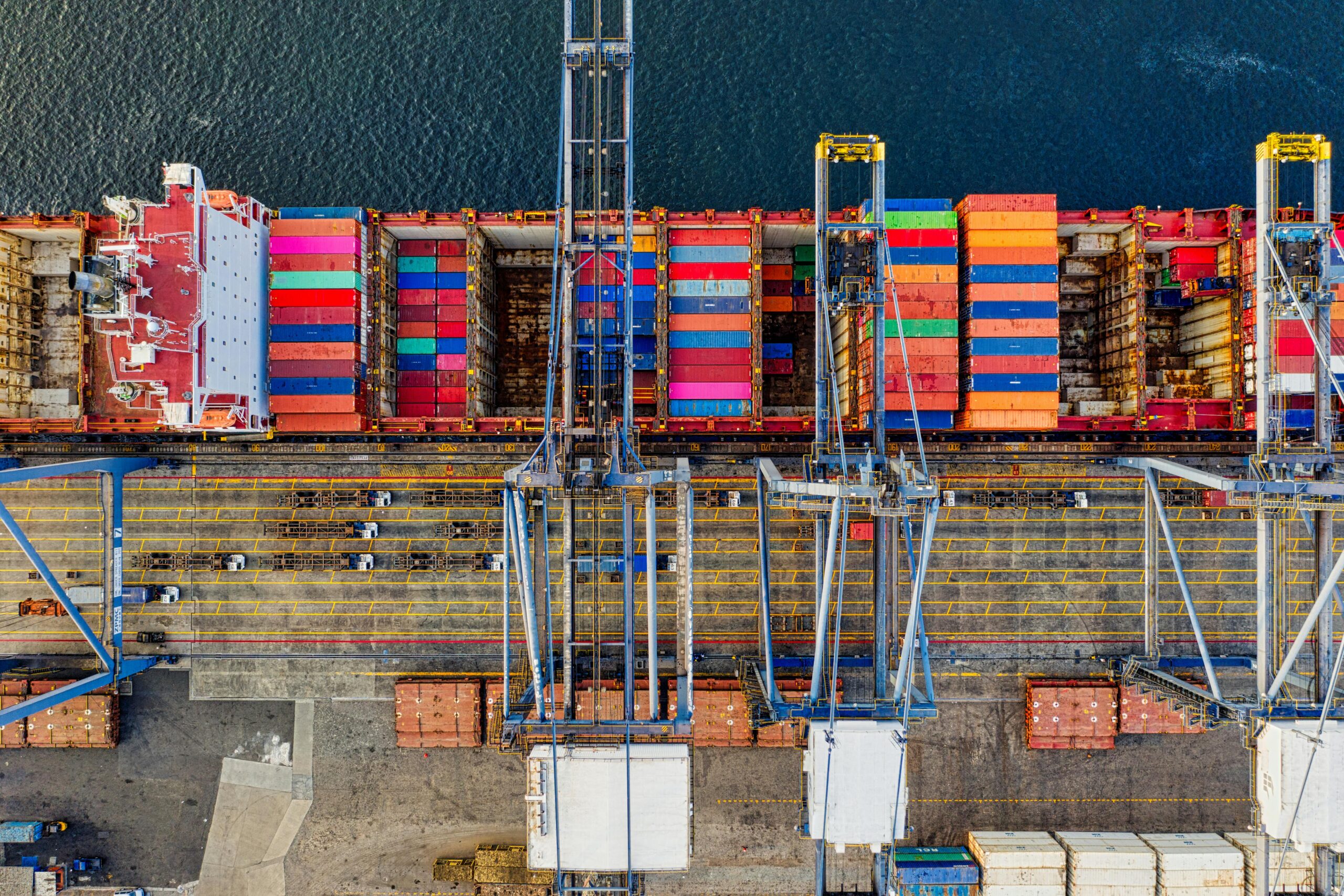
Once your foundation is solid, focus on enhancing your logistics service with cutting-edge technology. Choose providers that specialize in international logistics to handle complex cross-border movements. Step one: select a platform that automates container management. For instance, the IntelliPort Logistics Hub offers an advanced system where each container's location is tracked digitally, using a color-coded interface to show status—ready for transport, in transit, or pending unloading. Next, incorporate AI-powered crane automation for precise loading and unloading, reducing error margins and speeding operations by over 40%. Integrate IoT devices for smart cargo flow tracking, ensuring real-time updates on conditions for perishable goods. Don't forget efficient trucking coordination through smart scheduling that minimizes idle time. This step-by-step integration turns fragmented processes into a seamless logistics service network.
Optimizing for Sustainability and Scalability in Logistics
To future-proof your operations, prioritize sustainability within your logistics strategy. Begin by evaluating energy usage in your fleet and facilities—install monitoring systems to track carbon footprints, much like those in the IntelliPort Logistics Hub's cranes and vehicles. Step two: adopt greener practices, such as route optimization software that reduces fuel consumption during international logistics routes. Train your team on these tools to ensure compliance and efficiency. Scale up by connecting your system to global ports for unified international logistics, allowing seamless data sharing and predictive analytics for demand forecasting. Regularly review performance: set KPIs for speed, precision, and environmental impact, adjusting as needed. By following these steps, you'll not only streamline logistics but also build a resilient, eco-friendly supply chain.
Leveraging IntelliPort for Superior Logistics Service
Finally, implement a comprehensive logistics service like IntelliPort to tie everything together. Start with a pilot program in one port or route to test its features: advanced container management for instant identification, next-gen crane automation for faster handling, and smart tracking for cargo integrity. Monitor benefits such as unmatched precision in diverse goods handling and increased speed in getting products to market. For international logistics, its global integration ensures compatibility with worldwide ports, reducing delays. Address challenges like initial setup costs by phasing implementation and training staff progressively. Over time, this approach yields scalable results—lower costs, happier customers, and a competitive edge in the logistics landscape. With IntelliPort, your logistics service evolves from reactive to proactive, driving sustainable growth in global trade.





