
Streamlining Logistics: Overcoming Inefficiencies in Modern Supply Chains
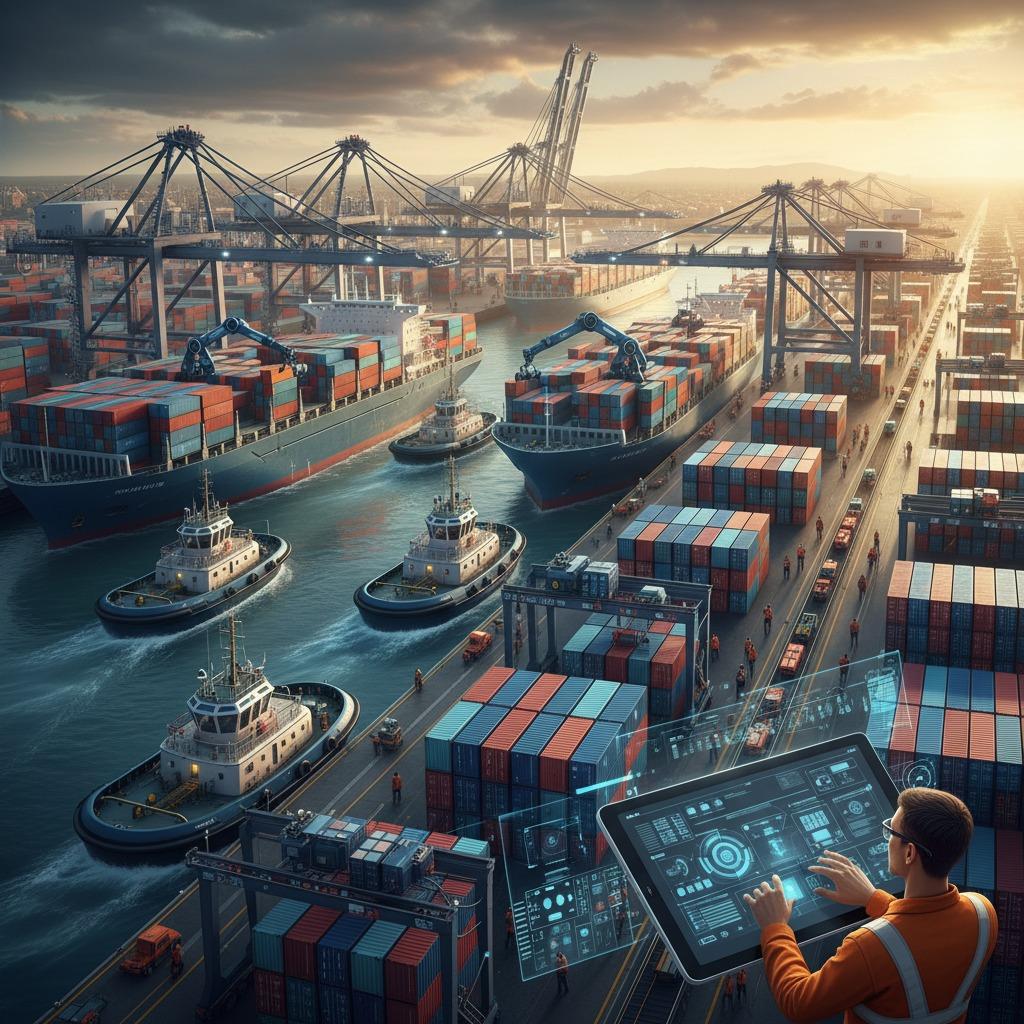
In today's fast-paced global economy, logistics stands as the backbone of successful operations, yet many businesses grapple with inefficiencies that lead to delays, increased costs, and frustrated customers. The core challenge in logistics often stems from fragmented processes, outdated equipment, and a lack of integration between transportation modes like sea, land, and storage systems. For instance, ports and warehouses frequently face bottlenecks due to unreliable vessels or containers that fail under harsh conditions, resulting in downtime and lost revenue. This problem is exacerbated in maritime-heavy industries where weather, rough handling, and space constraints can turn routine shipments into logistical nightmares. Addressing these issues requires innovative solutions that prioritize durability, efficiency, and seamless connectivity.
Enhancing Maritime Operations with High-Performance Tugboats
One effective solution to logistics bottlenecks is the introduction of robust, modern tugboats designed for high-performance maritime operations. These vessels, with their striking white and red color schemes, ensure visibility and reliability in industrial port settings. Equipped with spacious decks for cargo transport and heavy-duty towing, they tackle the demands of rigorous port activities head-on. The integrated control equipment in the command tower provides precision navigation, supported by cutting-edge technology that minimizes errors and speeds up turnaround times. By prioritizing crew safety with well-lit interiors and accessible spaces, these tugboats reduce human error and enhance overall logistics flow. Paired with large cranes and durable port infrastructure, they represent a future-proof addition to any supply chain, ensuring that towing and transport operations run smoothly even in demanding environments.
Optimizing Workflows Through Visual and Operational Efficiency
Beyond vessels, logistics improvements can be visualized and implemented through interconnected systems that blend human effort with mechanical precision. Consider an efficient logistical and manufacturing setup where gears symbolize seamless integration across operational stages, from production to delivery. This approach highlights the problem of disjointed workflows, where manual handling without proper coordination leads to errors and delays. The solution lies in streamlined designs that foster team collaboration—workers in safety helmets emphasize hands-on involvement while gears represent automation-compatible processes. This hybrid model ensures balance, productivity, and adaptability, making it ideal for organizations aiming to monitor and enhance logistics in real-time. By adopting such systems, businesses can achieve a safety-centric environment that boosts reliability and innovation, directly addressing the chaos of uncoordinated supply chains.
Revolutionizing Storage with Modular Shipping Containers 2.0
A critical pain point in logistics is inadequate storage solutions that fail to protect goods during transit or stacking, leading to damage, security breaches, and inefficient space use. Enter Modular Shipping Containers 2.0, a game-changing innovation constructed from reinforced steel with anti-corrosion finishes to withstand extreme conditions on sea or land. These containers solve these issues through stackable configurations with interlocking mechanisms, maximizing space without sacrificing stability. Customizable color coding aids in quick inventory identification, while enhanced security features like reinforced locks and tamper-proof seals safeguard valuable cargo. The waterproof base and eco-friendly materials further ensure goods remain pristine, even in moist or harsh environments. Whether for international shipping, temporary storage, or versatile repurposing, these containers elevate logistics by promoting efficiency, sustainability, and style—transforming potential vulnerabilities into strengths for global trade professionals.
Building a Resilient Logistics Future
Ultimately, tackling logistics challenges demands a holistic strategy that integrates advanced tugboats, optimized workflows, and versatile containers. These solutions not only mitigate common pitfalls like delays and damage but also empower businesses to scale operations with confidence. By focusing on durability, collaboration, and innovation, companies can turn logistics from a liability into a competitive advantage, ensuring reliable delivery and customer satisfaction in an ever-evolving market.





