
Understanding the Evolution of Logistics in Modern Freight Transportation
Logistics forms the backbone of global trade, ensuring that goods move efficiently from origin to destination. In today's fast-paced world, advancements in logistics are revolutionizing how businesses operate, particularly in freight transportation. This article explores key innovations in logistics, from high-performance trucks to integrated transport ecosystems, highlighting how these developments enhance efficiency, safety, and sustainability.
High-Performance Container Trucks: Engineered for Superior Logistics
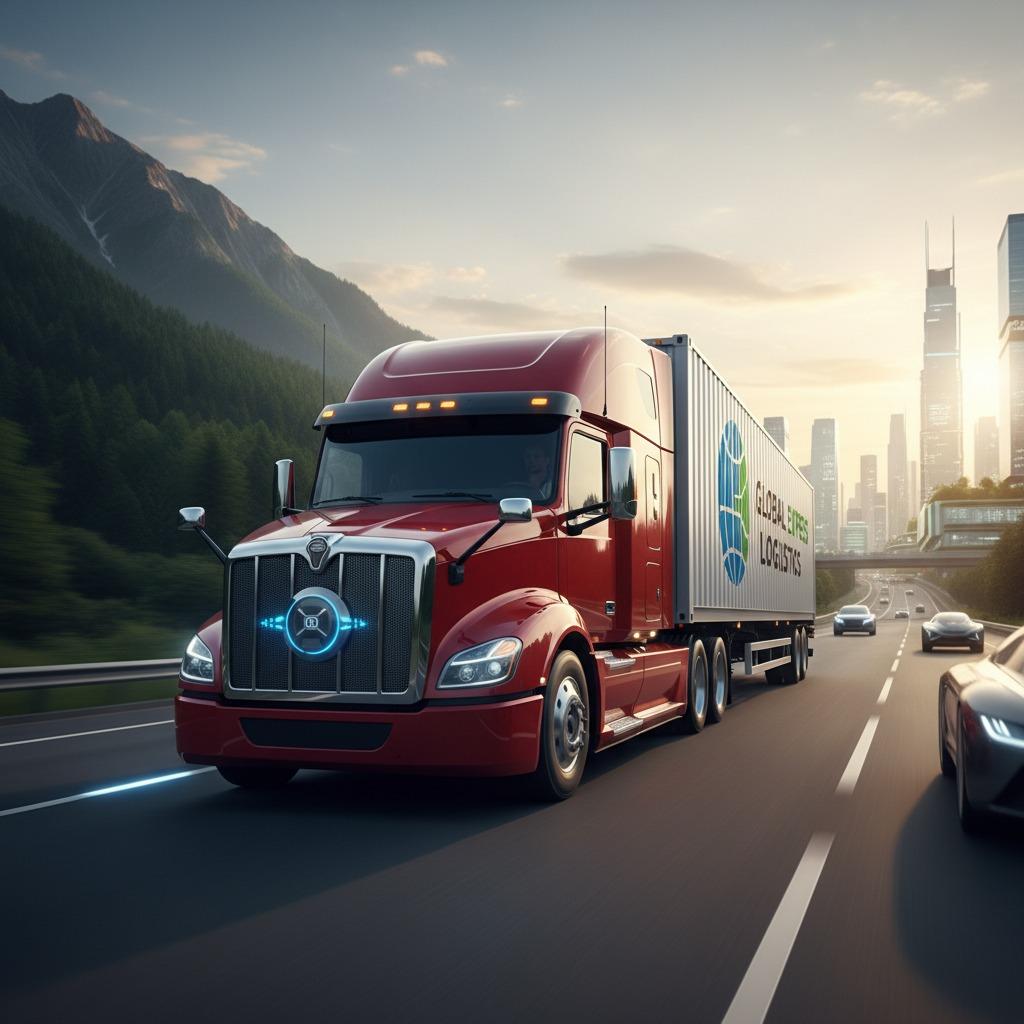
Modern container trucks represent a pinnacle in logistics solutions, designed to handle the demands of long-haul shipping with precision and power. These vehicles feature advanced engines that deliver heavy-duty performance while prioritizing fuel efficiency and reduced environmental impact. Capable of towing international standard containers from providers like COSCO and CAPITAL, they streamline logistics by ensuring compatibility across various freight platforms. Safety is paramount, with features such as lane-assist systems, adaptive cruise control, and reinforced chassis protecting both cargo and drivers during extended journeys. The bold, red-toned exteriors not only enhance visibility but also serve as mobile billboards, boosting brand presence in the competitive logistics sector. Moreover, their eco-conscious design, including low-emission engines, aligns with global sustainability goals, making them ideal for businesses aiming to scale operations responsibly.
Integrated Ecosystems: The Future of Multimodal Logistics
Logistics extends beyond individual vehicles to encompass seamless integration across air, sea, and land modes. Imagine a digitally connected network where cargo drones facilitate rapid air logistics, enabling deliveries to remote areas with AI-driven navigation for utmost reliability. On the maritime front, intelligent seaports equipped with automated cranes and real-time tracking optimize container handling, minimizing delays in global supply chains. Land transportation benefits from high-speed freight trains and autonomous trucks on smart highways, where IoT systems reduce congestion and emissions through optimized routing. At the core of this ecosystem lies a modern logistics hub powered by renewable energy sources like solar panels, employing AI for efficient sorting and distribution. This interconnected approach, supported by 5G and cloud computing, ensures predictable, traceable shipments, transforming logistics into a harmonious operation that drives economic growth while conserving resources.
SmartPort Innovations: Revolutionizing Maritime Logistics
In the realm of port management, logistics innovation shines through systems like SmartPort Pro 360°, which integrates automation and analytics for unparalleled efficiency. Towering container cranes with next-gen technology drastically cut handling times, accommodating vessels of all sizes with a blend of automated and manual controls. Modular smart containers, embedded with IoT devices, provide continuous updates on cargo status, enhancing transparency in shipping logistics. AI-driven predictive analytics optimize berth allocation and energy use, reducing fuel consumption and downtime for anchored ships. This synergy of advanced hardware and software not only accelerates operations but also promotes greener practices, lowering the carbon footprint of port activities. As global trade volumes rise, such logistics advancements ensure ports remain agile hubs, facilitating faster turnaround and cost-effective freight movement.
The Broader Impact of Advanced Logistics on Global Commerce
The cumulative effect of these logistics developments is a more resilient and sustainable supply chain. Businesses leveraging high-performance trucks, integrated ecosystems, and smart port solutions experience quicker deliveries, lower operational costs, and enhanced compliance with environmental regulations. Statistics from industry reports indicate that automated logistics systems can reduce shipping times by up to 30%, while eco-friendly technologies cut emissions by 25% compared to traditional methods. For companies in freight transportation, adopting these innovations means staying ahead in a market projected to grow exponentially. Ultimately, the evolution of logistics not only streamlines operations but also contributes to a cleaner planet, proving that efficiency and responsibility can coexist in modern commerce.





