
Understanding the Evolution of Logistics
Logistics forms the backbone of modern commerce, ensuring that goods move efficiently from origin to destination. This intricate process encompasses planning, execution, and control of the movement and storage of goods, services, and related information. In today's fast-paced global economy, effective logistics is crucial for businesses aiming to stay competitive. As supply chains grow more complex, innovations in this field are transforming how companies operate, reducing costs, and enhancing sustainability.
Key Features of Advanced Cargo Transport Fleets
At the forefront of logistics innovation are precision-engineered cargo transport fleets, designed to optimize long-haul operations. These high-performance trucks feature advanced aerodynamics that reduce drag, leading to improved fuel efficiency and lower environmental impact. Equipped with high-capacity containers adhering to ISO standards, they ensure secure handling of various cargo types, facilitating seamless global coordination. Powerful, energy-efficient engines allow these vehicles to tackle steep terrains and extended highways with ease, while cutting-edge navigation technology, including GPS and IoT-based tracking, provides real-time monitoring for timely deliveries and enhanced safety. Ergonomic cabins and advanced braking systems prioritize driver comfort and road safety, making these fleets a reliable choice for logistics operators worldwide.
The Rise of Intermodal Logistics Hubs
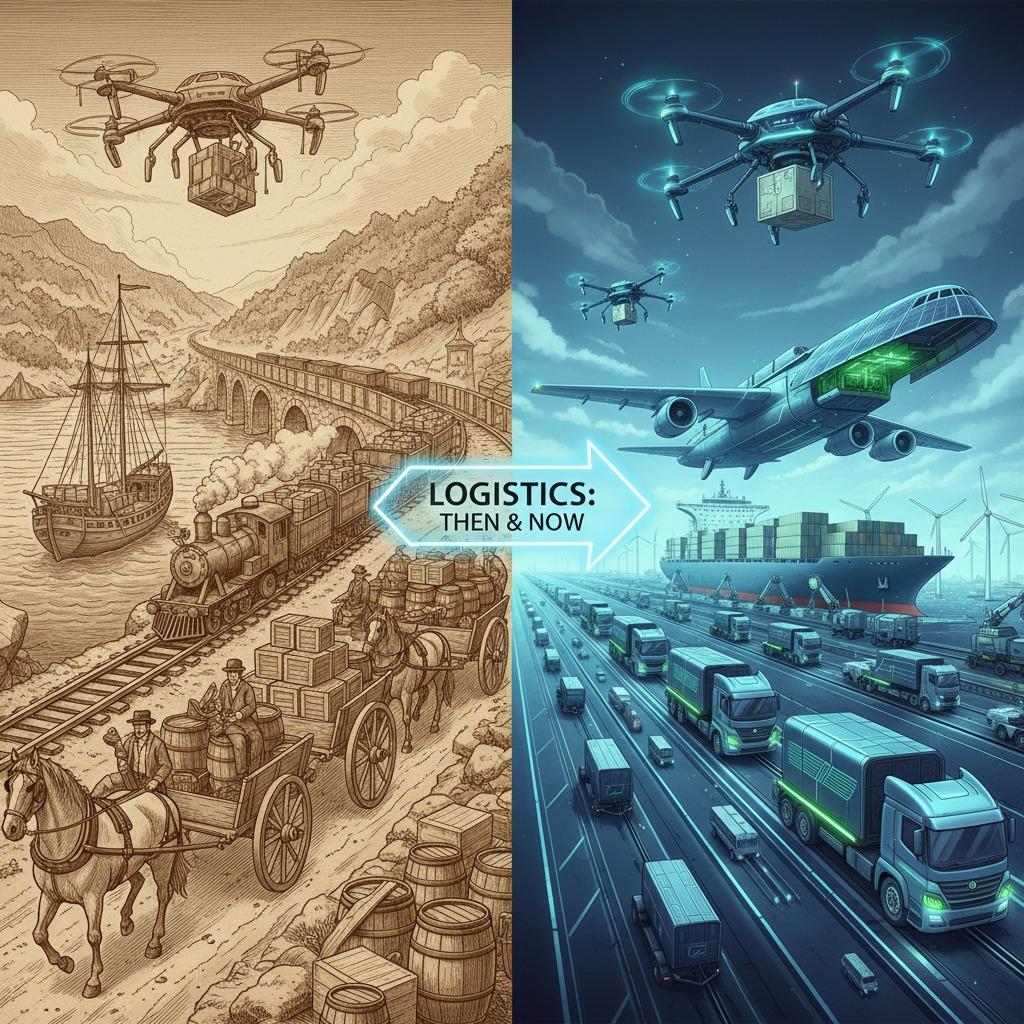
Intermodal logistics hubs represent a revolutionary approach to integrating air, sea, and land transport. These automated facilities use AI-driven systems for swift sorting and routing, minimizing delays and ensuring continuous cargo flow. Autonomous elements like drones for last-mile deliveries and electric freight trucks reduce road congestion and promote eco-friendly practices. High-speed rail connectivity offers cost-effective bulk transportation, complemented by smart shipping integration at ports with automated cranes and IoT tracking. Powered by renewable energy sources such as solar panels, these hubs emphasize sustainability, while digital twin technology enables predictive analytics for optimal maintenance. This interconnected ecosystem not only boosts efficiency but also supports scalable growth to meet increasing global trade demands.
Maritime Innovations in Port Logistics
Maritime logistics plays a pivotal role in international trade, with modern ports exemplifying efficiency through sophisticated infrastructure. State-of-the-art cargo ships with streamlined designs and spacious loading decks minimize emissions while handling extensive volumes. Towering gantry cranes, engineered for precision, enable quick loading and unloading, accelerating turnaround times in demanding environments. Well-organized container stacks, supported by advanced real-time inventory management, ensure seamless operations. These ports are not merely shipping points but vital nodes in the global supply chain, driving connectivity and innovation. By combining durable steel frameworks with eco-friendly fuel optimization, they set new standards for reliability in logistics.
The Future of Sustainable Logistics
Looking ahead, logistics is poised for further transformation through technology and green initiatives. The integration of AI, IoT, and renewable energy across transport modes promises reduced carbon footprints and enhanced reliability. Businesses adopting these advancements can achieve greater transparency in supply chains, predictive demand forecasting, and resilient operations against disruptions. From fleet customizations showcasing corporate branding to modular hub designs for future expansion, the emphasis is on creating sustainable, efficient solutions. Ultimately, mastering logistics empowers companies to thrive in a connected world, delivering goods faster and more responsibly than ever before.





