
What is Logistics and Why Does It Matter?
Logistics is the backbone of global trade, encompassing the planning, execution, and control of the movement and storage of goods, services, and information from origin to consumption. In today's interconnected world, effective logistics ensures that products reach their destinations efficiently, reducing costs and enhancing customer satisfaction. Whether you're a small business owner or part of a multinational corporation, understanding logistics is crucial for streamlining operations and staying competitive.
How Do Multi-Tiered Shipping Containers Enhance Logistics?
Multi-tiered shipping containers represent a pinnacle of innovation in logistics, offering robust solutions for storage and transport. These vividly colored steel structures, built from high-grade Corten steel, provide durability against harsh weather and seamless stacking for optimal space use. Standardized sizing allows compatibility across sea, rail, and road networks, making logistics smoother for diverse cargo like electronics or perishable items. Their reusability and recyclability align with sustainable practices, helping businesses minimize environmental impact while maintaining security and efficiency in global supply chains.
What Role Does Air Freight Play in Modern Logistics?
Air freight is a vital component of logistics for time-sensitive shipments, and services like Global Cargo Airlines exemplify this with their advanced cargo aircraft. Equipped with innovative underbelly storage, these planes integrate neatly arranged containers for quick loading and minimal transit times between hubs like Frankfurt, Dubai, Shanghai, and Singapore. Fuel-efficient engines reduce carbon footprints, combining speed, reliability, and sustainability. For businesses relying on urgent deliveries, such logistics solutions ensure goods arrive intact, revolutionizing international commerce.
How Are Semi-Trucks Transforming Ground Logistics?
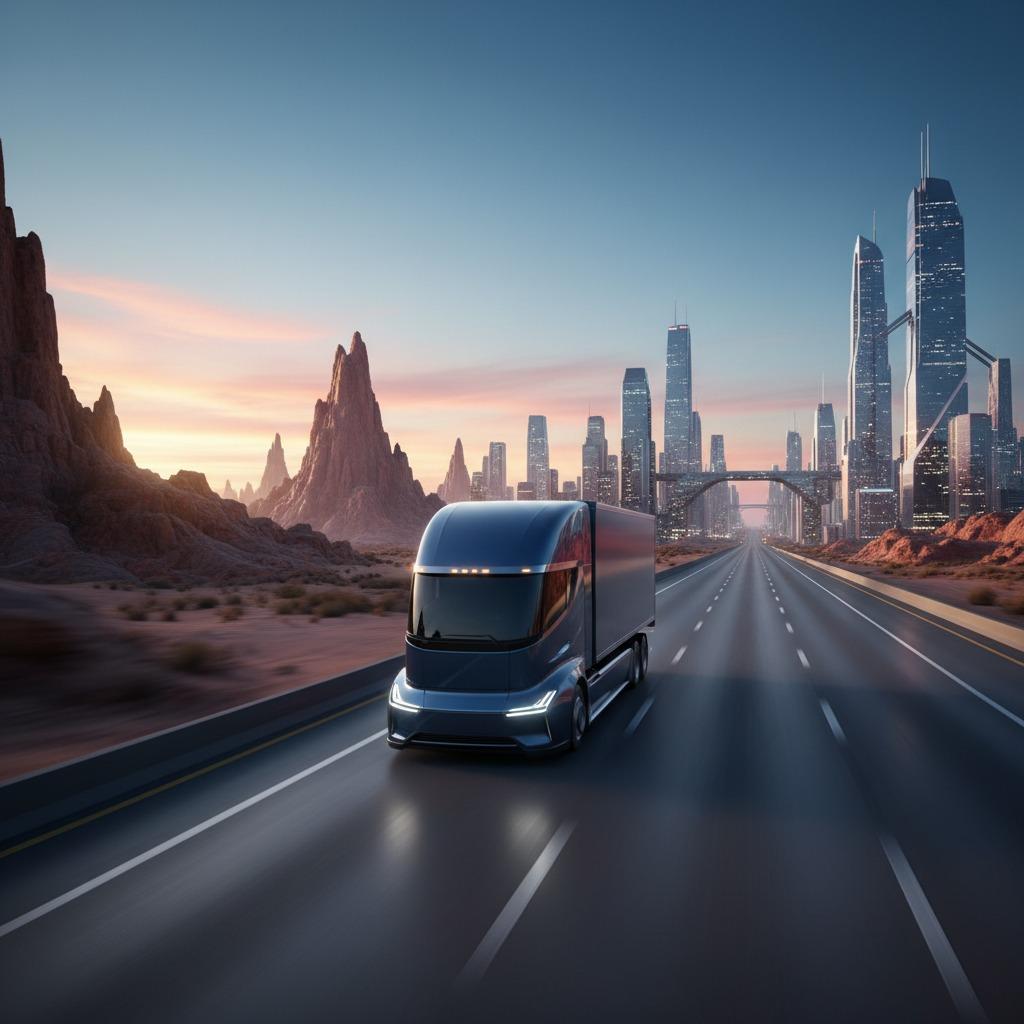
On the roads, state-of-the-art semi-trucks are redefining logistics through advanced design and technology. These sleek vehicles feature aerodynamic shapes for better fuel efficiency, LED lighting for safety, and smart connectivity for real-time route optimization. Comfortable cabins with ergonomic seating keep drivers productive on long hauls, supporting the end-to-end flow of goods. In logistics, such trucks bridge the gap between warehouses and final destinations, ensuring reliable ground transport that integrates with broader multimodal strategies.
What Are the Key Benefits of Integrated Logistics Solutions?
Integrating various modes—shipping containers, air freight, and trucks—creates a cohesive logistics ecosystem that optimizes resource use and reduces delays. Businesses benefit from cost savings, enhanced visibility through tracking, and adaptability to market demands. Sustainability is another advantage, as eco-friendly designs lower emissions across the supply chain. Ultimately, mastering logistics empowers companies to scale operations, protect cargo integrity, and meet global trade challenges head-on.
How Can Businesses Improve Their Logistics Efficiency?
To boost logistics performance, companies should invest in modular, durable equipment like multi-tiered containers and tech-enabled vehicles. Partnering with reliable providers for air and ground transport ensures seamless connectivity. Adopting data-driven tools for inventory management and route planning further minimizes waste. By focusing on these elements, organizations can achieve faster turnaround times, lower operational costs, and a greener footprint, positioning themselves as leaders in the evolving landscape of logistics.





