
The Future of Logistics: Revolutionizing Transportation and Supply Chains
In the rapidly evolving world of logistics, efficiency and sustainability are no longer optional—they're essential. As businesses strive to optimize their supply chains, innovative solutions in transportation are reshaping how goods move across the globe. Logistics, the backbone of modern commerce, integrates advanced technologies to ensure seamless operations, reduced costs, and minimal environmental impact. From premium freight trucks to smart intermodal hubs, the sector is witnessing transformative changes that promise to enhance global trade.
Premium Fleet of Freight Trucks: Driving Efficiency in Logistics
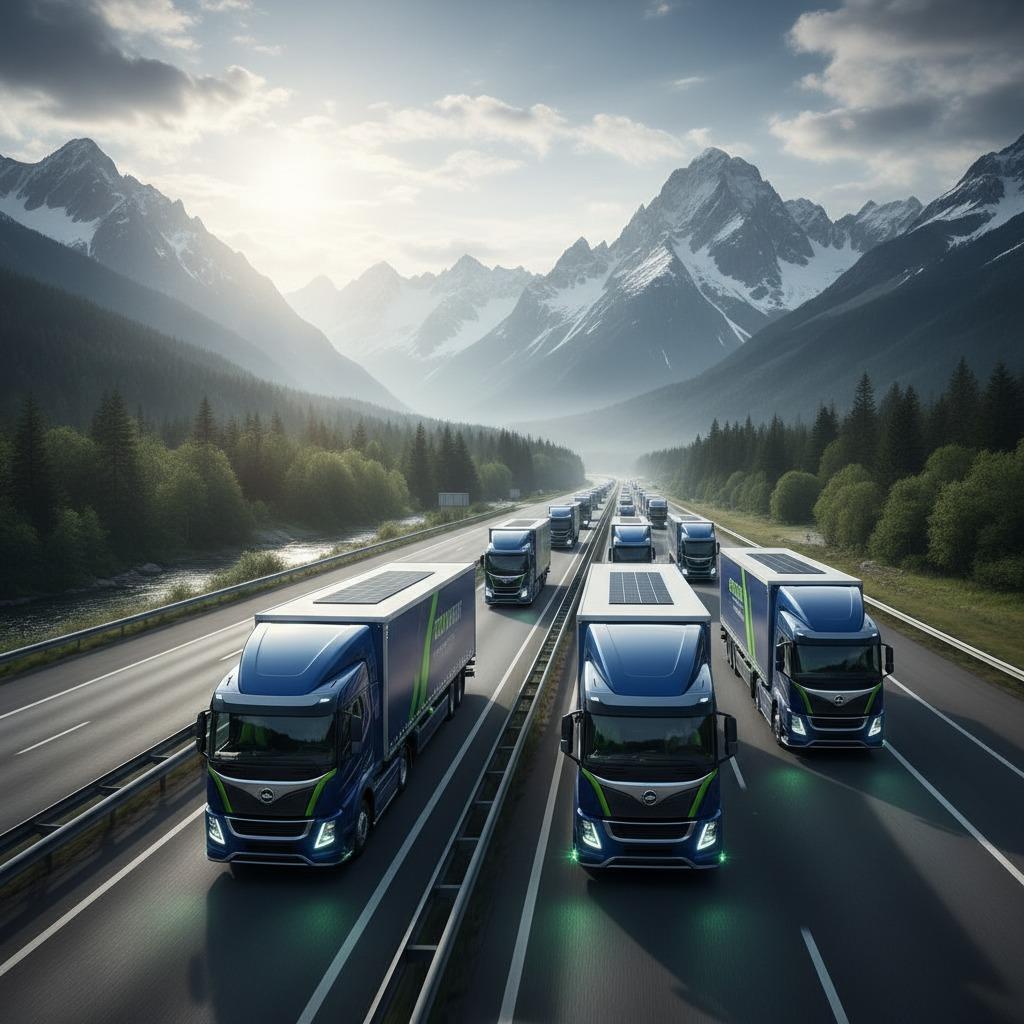
At the forefront of logistics innovation are our premium fleet of freight trucks, designed to deliver unparalleled performance. These vehicles feature a modern aerodynamic design that minimizes air resistance, boosting fuel efficiency and promoting an eco-friendly approach to large-scale operations. With enhanced cargo load capacity, the robust containers handle heavy-duty loads while remaining lightweight and weather-resistant, ideal for transporting diverse goods securely. Powered by high-performance engines, these trucks ensure reliable long-distance transportation with reduced emissions, aligning with sustainability goals. Smart connectivity through advanced telematics provides real-time tracking, fuel consumption data, and route optimization, cutting delivery times and operational costs. Driver comfort is prioritized with ergonomic seats, advanced air control, and smart dashboards, while safety features protect both cargo and personnel. Whether for domestic or cross-border needs, these trucks exemplify excellence in logistics, helping businesses scale efficiently.
Smart Intermodal Transportation Hubs: Integrating Modes for Seamless Logistics
Logistics reaches new heights with the introduction of the Smart Intermodal Transportation Hub, a cutting-edge ecosystem that seamlessly connects air, sea, and ground transport. This hub enhances global trade by streamlining operations through advanced air freight systems, where a fleet of drones and planes, guided by AI, ensures rapid and precise delivery for various load sizes. Automated sea cargo operations at state-of-the-art ports use crane systems for efficient loading and unloading, with digital tracking providing real-time cargo updates for transparency. Eco-friendly ground transit incorporates electrically powered semi-trucks, autonomous vehicles, and high-speed trains on multi-tier highways and rail systems to reduce congestion and support sustainable freight movement. At the core, the smart logistics hub employs AI-driven inventory management, optimized warehousing, and dynamic dispatching, bolstered by digital twins, predictive analytics, and blockchain for superior supply chain visibility. Renewable energy integration via solar panels and smart grids powers the facility, minimizing environmental footprints. IoT-enabled devices foster a connected ecosystem with predictive maintenance, ensuring minimal downtime and peak operational efficiency. This revolutionary system redefines logistics by blending technology, sustainability, and convenience.
Next-Generation Maritime Logistics: Advancing Port Efficiency
Maritime logistics forms a critical pillar in the global supply chain, as seen in vibrant port environments where robust cargo ships and towering container cranes operate in harmony. The Next-Generation Maritime Logistics System showcases large vessels with reinforced hulls and advanced navigation for safe, swift global deliveries, adhering to international standards. Automated docking efficiency is achieved through precision-equipped cranes that accelerate loading and unloading, minimizing errors via electronic tracking for high container turnover. Eco-friendly engineering includes reduced-emission engines and fuel-efficient systems, supporting sustainable development. Seamless connectivity via advanced port management integrates real-time data sharing with shipping companies, freight handlers, and customs, enhancing coordination. Enhanced cargo protection comes from ISO-standard containers that ensure security, balance, and durability for goods transport. Scalability is key, with ultra-deep docking systems accommodating larger vessels to expand business reach. This setup not only boosts commercial productivity but also connects economies worldwide, marking a milestone in logistics evolution.
The Broader Impact of Modern Logistics on Global Business
The integration of these advancements in logistics is transforming industries by fostering resilience and agility. Statistics show that efficient logistics can reduce global supply chain costs by up to 15%, according to industry reports from organizations like the World Trade Organization. By prioritizing sustainability, companies can lower carbon emissions—freight transport accounts for about 14% of global greenhouse gases, making eco-innovations vital. Insights from real-time data analytics enable predictive planning, mitigating disruptions like those seen in recent supply chain crises. For businesses, adopting these logistics solutions means faster market access, improved customer satisfaction, and competitive edges in a digital economy. As logistics continues to evolve, it promises not just efficiency but a more connected, greener world, empowering enterprises to thrive amid complexity.





