
What is Logistics and Why Does It Matter?
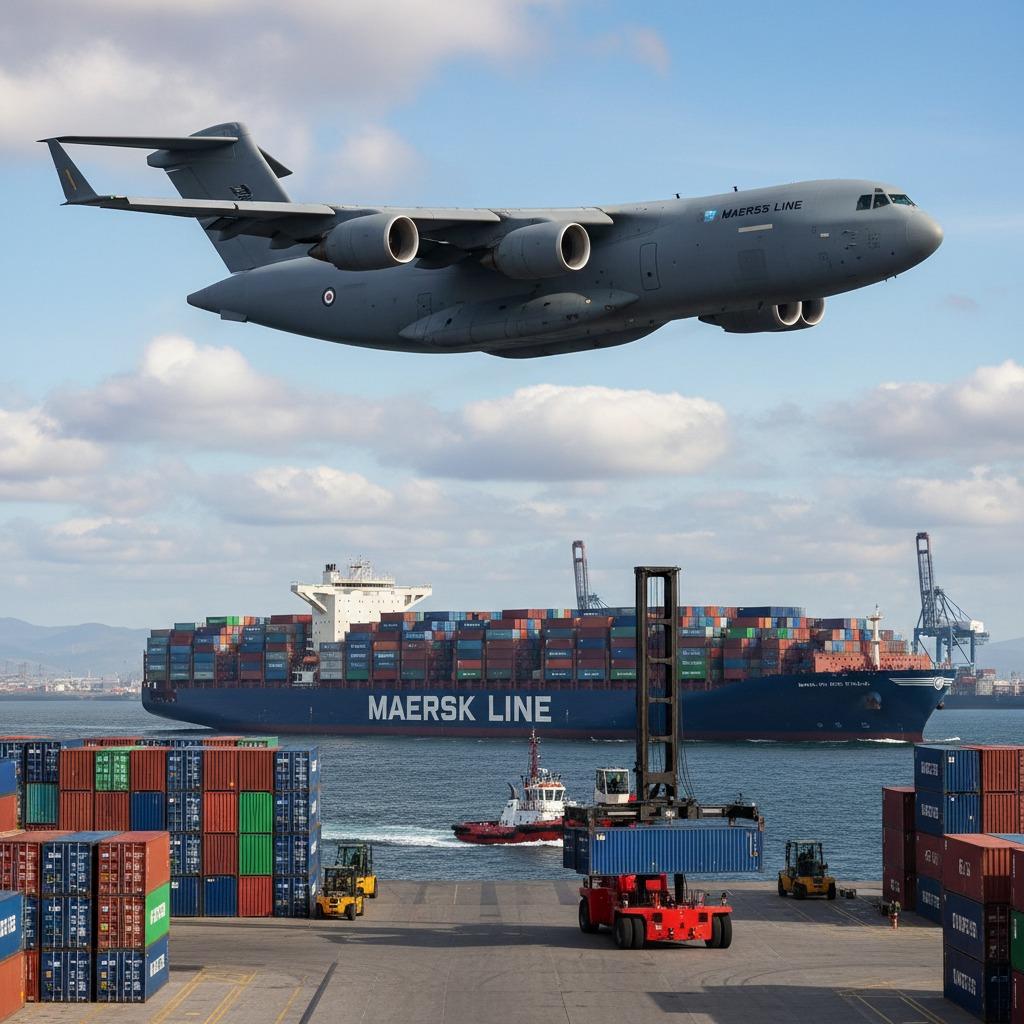
Logistics is the backbone of modern global trade, encompassing the planning, execution, and control of the movement and storage of goods, services, and information from origin to consumption. It ensures that products reach their destinations efficiently, reliably, and cost-effectively. In today's interconnected world, effective logistics is crucial for businesses, governments, and consumers alike, driving economic growth and enabling seamless supply chains.
How Do Strategic Airlifters Contribute to Military Logistics?
Strategic airlifters play a pivotal role in military logistics by providing rapid deployment capabilities for troops, equipment, and supplies over long distances. These aircraft, equipped with powerful turbofan engines, offer exceptional thrust and fuel efficiency, allowing them to handle heavy payloads under challenging weather conditions. Their advanced aerodynamics and reinforced airframes ensure safe transport of vehicles, personnel, and critical cargo, making them indispensable for tactical operations and humanitarian missions. With versatile cargo holds designed for quick loading and unloading, airlifters enhance the speed and precision of logistics in high-stakes environments, ultimately supporting national security and rapid response strategies.
What Makes Reach Stackers Essential in Container Terminal Logistics?
In the realm of port and intermodal logistics, reach stackers are high-performance machines engineered to handle heavy-duty cargo with precision and efficiency. These robust vehicles feature elevated boom architectures and reinforced spreader systems that securely lift and move full-size shipping containers, even in dense storage yards. Their wide wheelbases and heavy-duty tires provide stability on rough surfaces, enabling smooth navigation and stacking operations that optimize space and reduce turnaround times. The elevated cabs with enhanced visibility ensure safer maneuvering, addressing common challenges in fast-paced terminals. By facilitating high-capacity handling, reach stackers streamline logistics processes, minimizing delays and boosting overall productivity in freight hubs.
How Do Container Ships Revolutionize Global Logistics?
Container ships represent the pinnacle of maritime logistics, capable of transporting thousands of TEUs across oceans while prioritizing efficiency and sustainability. These colossal vessels are equipped with advanced navigation and safety systems that optimize routes, reduce voyage times, and enhance cargo management. Their expansive decks accommodate diverse goods, from electronics to perishables, fostering global connectivity and trade. With eco-friendly engine technologies that minimize emissions, they align with sustainable practices amid growing environmental concerns. The durable structures withstand harsh sea conditions, ensuring the safety of crew and cargo, making container ships vital links in the international supply chain and symbols of innovative logistics.
What Are Common Challenges in Logistics and How Can They Be Overcome?
Logistics often faces challenges like supply chain disruptions, high operational costs, and regulatory hurdles. For instance, geopolitical tensions can delay shipments, while fluctuating fuel prices impact air and sea transport. To overcome these, businesses adopt digital tools such as AI-driven tracking and blockchain for transparency. Integrating multimodal transport—combining airlifters for urgency, reach stackers for ground handling, and container ships for bulk—creates resilient networks. Training personnel on advanced equipment and prioritizing sustainability further mitigate risks, ensuring logistics remains agile and future-proof.
How Does Technology Shape the Future of Logistics?
Emerging technologies are transforming logistics by introducing automation, IoT sensors for real-time monitoring, and predictive analytics for demand forecasting. In military contexts, airlifters benefit from drone-assisted loading; in ports, reach stackers integrate with autonomous systems for unmanned operations; and on ships, smart engines optimize fuel use. These innovations not only cut costs but also enhance safety and speed, addressing FAQs about scalability and environmental impact. As logistics evolves, staying ahead means embracing these tools to meet the demands of a globalized economy.





