
What is Logistics and Why Does It Matter?
Logistics forms the backbone of modern supply chains, encompassing the planning, execution, and control of the movement and storage of goods, services, and information from origin to consumption. In today's fast-paced global economy, efficient logistics ensures that products reach their destinations on time, reducing costs and enhancing customer satisfaction. Whether it's transporting military equipment via advanced aircraft or handling massive shipping containers in ports, logistics integrates various modes of transportation to optimize operations.
How Does a Heavy-Duty Container Reach Stacker Enhance Logistics?
A heavy-duty container reach stacker revolutionizes logistics in shipping yards and freight terminals by providing exceptional lifting power and precision control. This machinery, designed for seamless operation with standard shipping containers like those from Maersk, features a high load capacity that allows for secure stacking of fully-loaded units. Its retractable arm offers versatile reach, enabling quick handling in tight spaces and reducing turnaround times. In logistics, such equipment minimizes idle time and integrates smoothly with ISO standards, ensuring compliance and efficiency across global hubs. Operators benefit from a comfortable, safe cab with ergonomic controls, making it ideal for demanding outdoor environments.
What Role Do Advanced Aircraft Play in Military Logistics?
In military logistics, transport aircraft engineered for extensive airlift capabilities are crucial for national defense and strategic missions. These modern, military-grade planes, emblazoned with the China Air Force insignia, boast cutting-edge aerodynamic construction and four high-thrust jet engines for long-range flights and heavy payload transport. The expansive fuselage accommodates military equipment, vehicles, and personnel, while advanced avionics and navigation systems ensure reliability in varied conditions. Logistics in this context demands stability and maneuverability, allowing for efficient deployment during complex operations both domestically and internationally.
How Does the Maersk Mc-Kinney Møller Advance Global Shipping Logistics?
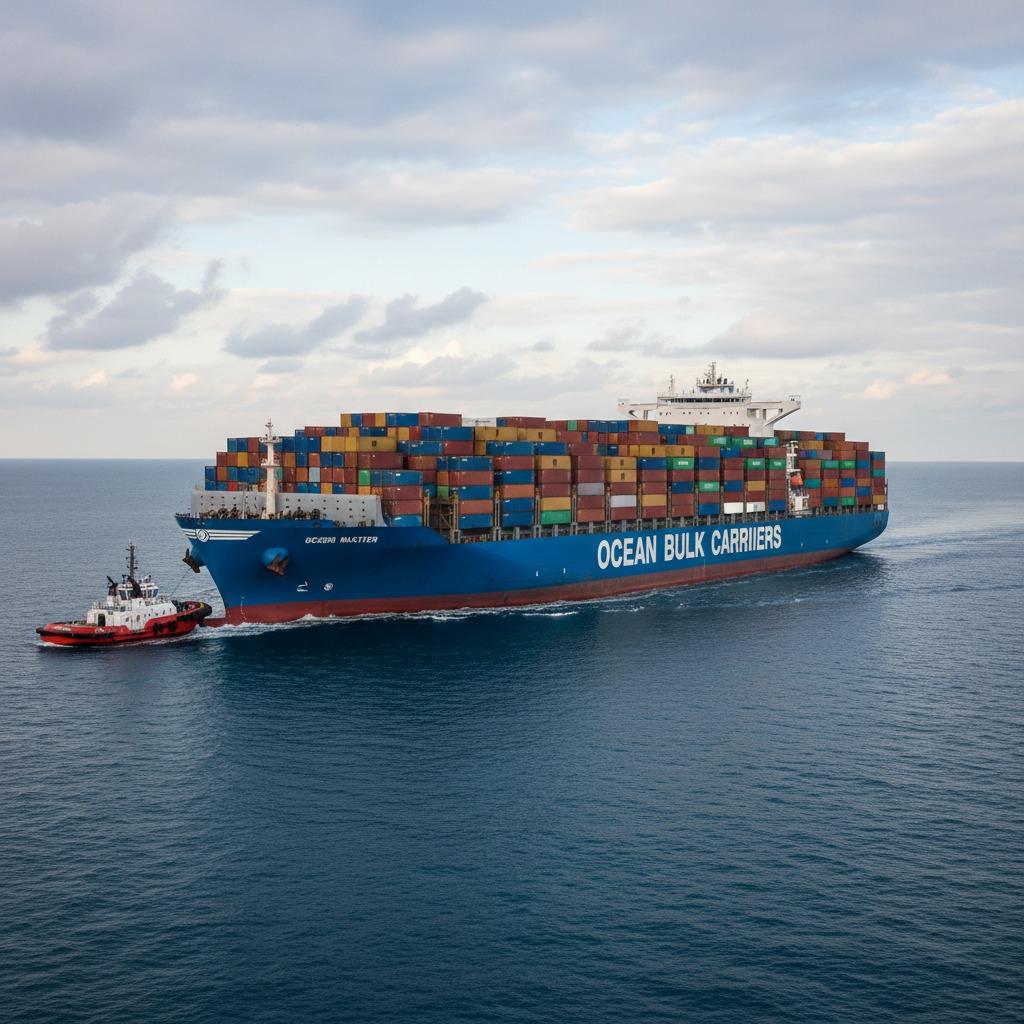
The Maersk Mc-Kinney Møller, a Triple-E class container vessel, exemplifies innovation in maritime logistics with its massive cargo capacity for thousands of TEUs. Focused on economy of scale, energy efficiency, and environmental improvement, this ship features a dual-skeg hull that reduces fuel consumption and CO₂ emissions. Equipped with next-gen propulsion and navigation, it optimizes routes across key trade lanes, supporting seamless global connectivity. In logistics, such vessels handle the flow of goods between continents, blending sustainability with industrial functionality to lead in eco-friendly shipping.
What Are Common Challenges in Logistics and How to Overcome Them?
Logistics often faces challenges like supply chain disruptions, high operational costs, and regulatory compliance. To overcome these, businesses leverage durable machinery like reach stackers for faster container handling and advanced vessels for efficient sea transport. Integrating technology, such as state-of-the-art avionics in aircraft, helps in real-time tracking and route optimization. Prioritizing operator safety and environmental design, as seen in modern equipment, ensures resilience. By focusing on versatility and reduced turnaround times, logistics professionals can maintain reliability in diverse scenarios, from ports to aerial missions.
Why Choose Sustainable Practices in Logistics?
Sustainability is increasingly vital in logistics, with vessels like the Maersk Mc-Kinney Møller setting benchmarks through lower emissions and efficient designs. This approach not only complies with global regulations but also cuts long-term costs. In air and sea logistics, adopting eco-friendly propulsion systems and robust, durable equipment supports operational readiness while minimizing environmental impact. Ultimately, sustainable logistics fosters innovation, enhancing a company's reputation and contributing to a greener global trade network.





