
Top Innovations in Logistics: Revolutionizing Global Supply Chains
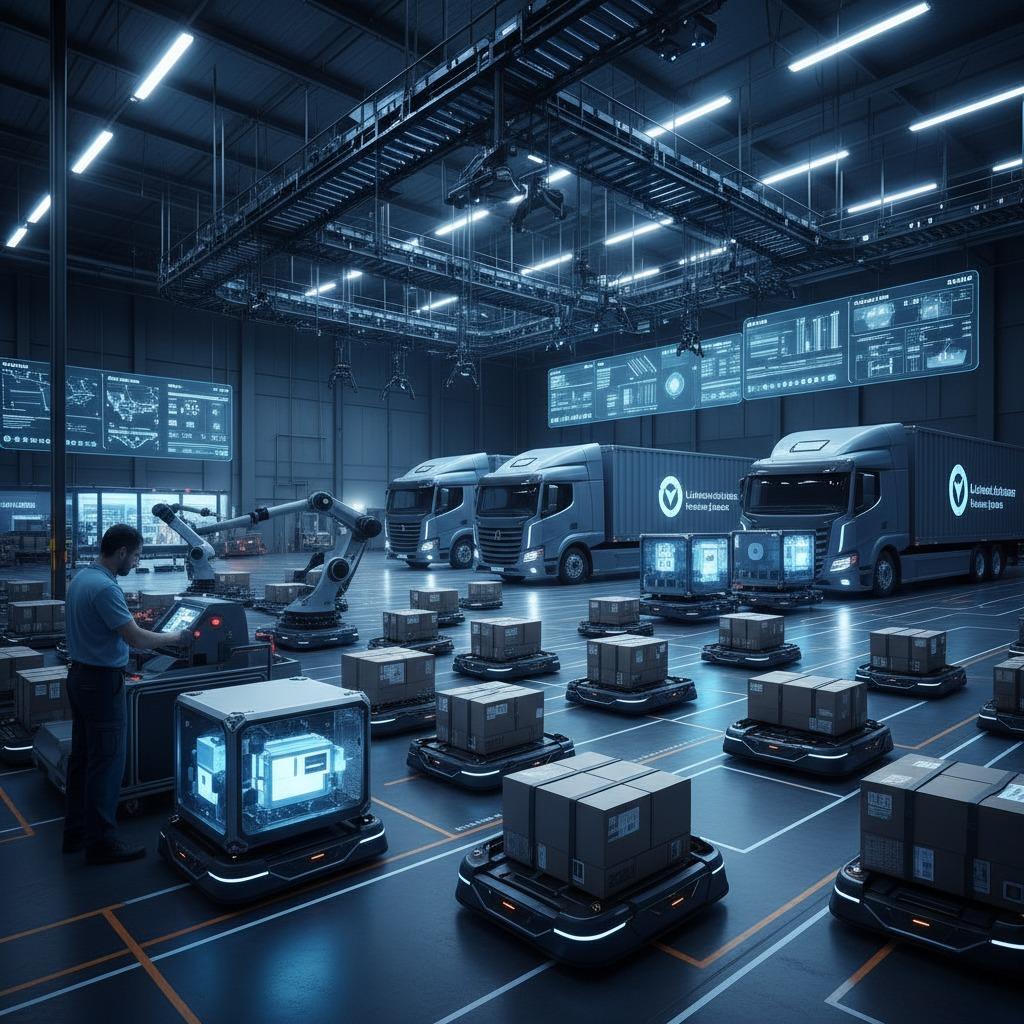
In the fast-evolving world of logistics, staying ahead means embracing innovations that streamline operations and enhance efficiency. Logistics forms the backbone of global trade, connecting suppliers, manufacturers, and consumers seamlessly. This article explores top advancements in logistics, drawing from cutting-edge solutions like those offered by forward-thinking providers. Whether it's smart tracking or sustainable shipping, these innovations are transforming how businesses manage freight and supply chains.
1. Optimized Cargo Handling for Secure Transit
Logistics demands precision in every step, starting with cargo handling. Modern systems focus on meticulous packaging and sorting to ensure goods arrive damage-free. For instance, branded cartons from companies specializing in logistics provide robust protection during transit. This approach not only minimizes losses but also boosts customer satisfaction. By integrating automated sorting technologies, businesses can handle higher volumes without compromising quality. In high-stakes environments like international shipping, optimized cargo handling reduces errors and speeds up processing times, making it a cornerstone of efficient logistics.
2. Smart Tracking and Real-Time Operations
One of the most impactful trends in logistics is the integration of smart tracking systems. Equipped with GPS and advanced software, these tools allow for real-time monitoring of freight from origin to destination. Imagine a logistics manager using a tablet to update inventory on the spot, ensuring accuracy in stock reports. This level of visibility enhances operational precision, allowing quick responses to delays or disruptions. For industries reliant on just-in-time delivery, smart tracking in logistics cuts down on idle time and optimizes routes, ultimately lowering costs and improving reliability.
3. Scalable Shipping Solutions for Growing Businesses
As companies expand, their logistics needs scale accordingly. Scalable shipping infrastructures, such as high-capacity container systems, accommodate everything from small parcels to enterprise-level shipments. Docked trailers and stacked containers at bustling ports exemplify this capability, supporting diverse industries. In logistics, scalability means flexibility—adapting to seasonal demands or market fluctuations without overhauling operations. Providers offering modular solutions ensure that businesses can grow without logistical bottlenecks, fostering long-term partnerships and sustained efficiency.
4. Seamless Intermodal Connectivity
Logistics thrives on connectivity, particularly through intermodal transportation that links sea, road, rail, and air. At busy ports, efficient handoffs between modes ensure on-time deliveries across global networks. This connectivity minimizes downtime and maximizes throughput, crucial for time-sensitive goods. Innovations in logistics here include unified tracking platforms that provide end-to-end visibility, regardless of the transport method. By reducing fragmentation, intermodal systems lower environmental impact and costs, making them indispensable for modern supply chains.
5. Sustainability at the Core of Logistics
Sustainability is no longer optional in logistics; it's a necessity. Eco-friendly practices, like optimizing container loads to minimize waste, are gaining traction. Advanced vessels and systems incorporate renewable energy sources, such as solar panels and hybrid engines, to cut emissions. In logistics, sustainable innovations not only comply with regulations but also appeal to environmentally conscious consumers. Companies leading this charge demonstrate how green logistics can drive profitability—through fuel efficiency and reduced carbon footprints—while contributing to a healthier planet.
6. Advanced Analytics for Performance Optimization
Data-driven decision-making is revolutionizing logistics. Performance analytics tools analyze patterns in loading, unloading, and routing to streamline operations. By identifying bottlenecks, businesses can reduce turnaround times and enhance safety. In the realm of logistics, these analytics integrate with AI for predictive insights, forecasting demand and preventing disruptions. This proactive approach empowers managers to make informed choices, ensuring smoother workflows and competitive edges in a crowded market.
7. Autonomous Technologies and AI Integration
The future of logistics lies in autonomy. AI-powered navigation and drone fleets are automating last-mile deliveries and route optimizations. Autonomous vessels, for example, use predictive routing to avoid obstacles and ensure precise timelines. Integrating these technologies into logistics reduces human error and labor costs while increasing speed. As adoption grows, businesses will see transformative benefits, from faster global trade to more resilient supply chains.
These innovations highlight how logistics is evolving into a smarter, greener, and more connected field. By leveraging these solutions, companies can navigate complexities with confidence, driving growth in an interconnected world.





