
Top Innovations in Logistics: Revolutionizing Global Supply Chains
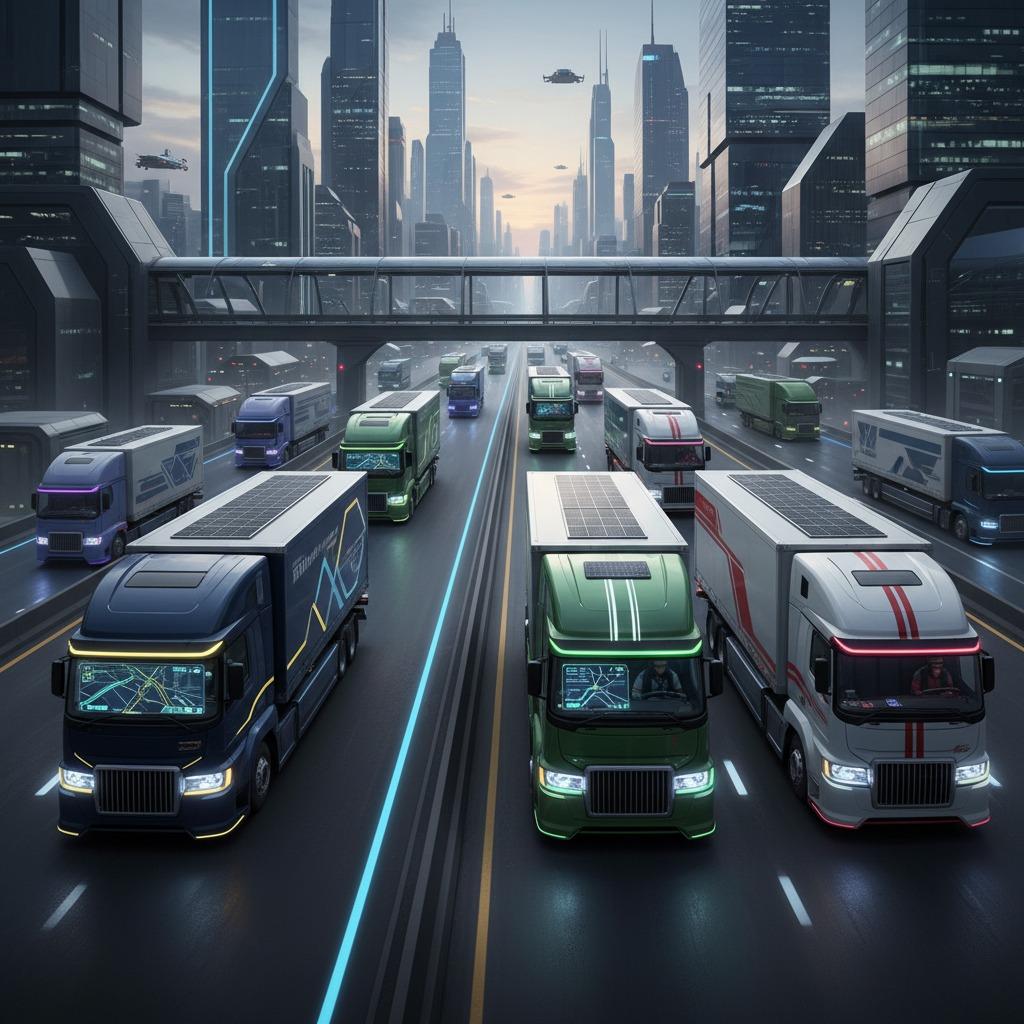
In the fast-paced world of logistics, efficiency and innovation are key to staying ahead. From customizable trucks to massive container ships and high-speed cargo aircraft, modern logistics solutions are transforming how goods move across the globe. This article explores five groundbreaking advancements in logistics that are driving sustainability, speed, and reliability in transportation.
1. Customizable and Durable Trucks for Versatile Freight
Customizable trucks represent a major leap in logistics, offering fleet solutions designed for maximum efficiency. These vehicles feature state-of-the-art engineering and aerodynamics to optimize fuel use, reducing costs and environmental impact. Modular trailers made from lightweight, sturdy materials allow for optimal load capacity, ideal for various industries. Equipped with advanced GPS navigation and telematics, operators can monitor movements in real-time and refine routes dynamically. Built for both short-haul and long-haul operations, these trucks include ergonomic cabins with smart climate control and driver-assistance systems, ensuring comfort and safety. Some models are tailored for specific needs, like tankers for liquids or flatbeds for heavy equipment, providing versatility that meets diverse logistical demands. This innovation embodies sustainable trucking, perfect for modern supply chains seeking reliability and customization.
2. Colossal Container Vessels for Intercontinental Trade
Maritime logistics has seen remarkable progress with colossal container vessels like those from leading shipping lines. These ships can transport thousands of standardized containers (TEUs), forming the backbone of global trade. Their design maximizes space utilization while maintaining stability during long oceanic voyages. With vibrant hulls and prominent branding, they symbolize industry leadership and dependability. Advanced navigation systems and eco-friendly engines with reduced emissions ensure performance without compromising the environment. Whether connecting continents or delivering goods on time, these vessels highlight the synergy of innovation and connectivity. They underscore a commitment to transforming global trade through speed, sustainability, and mindfulness, making logistics more efficient for international commerce.
3. High-Capacity Cargo Aircraft for Time-Critical Deliveries
Air freight is revolutionizing logistics with dedicated cargo aircraft built for speed and scale. These planes, optimized for aerodynamics and fuel efficiency, handle substantial payloads, from general cargo to perishable or high-value items. Adhering to principles like "The World On Time," they ensure prompt global deliveries. Streamlined loading with specialized equipment, such as tugs and dollies, minimizes downtime and enhances security for packed crates. Capable of round-the-clock operations, even at night, they maximize throughput. Integrated with extensive networks of international hubs, these aircraft seamlessly blend air and ground transport, elevating commerce worldwide. This precision in logistics, driven by technology and teamwork, redefines how urgent shipments connect the world.
4. Real-Time Telematics and GPS Integration
A core pillar of contemporary logistics is the integration of real-time telematics and GPS systems. These technologies allow fleet managers to track vehicles instantly, predict maintenance needs, and optimize routes based on traffic and weather data. In trucks, ships, and aircraft, such systems reduce delays and fuel consumption, boosting overall efficiency. For example, in maritime operations, GPS aids in navigating vast oceans safely, while in air cargo, it coordinates with ground teams for swift handoffs. By providing actionable insights, telematics minimizes risks like theft or breakdowns, ensuring smoother supply chains. As logistics evolves, these tools are indispensable for data-driven decisions that enhance reliability and cut costs.
5. Sustainable Materials and Eco-Friendly Designs
Sustainability is at the forefront of logistics innovations, with a shift toward eco-friendly materials and designs. Lightweight composites in trailers and hulls increase capacity without added weight, lowering emissions. Advanced engines in vessels and aircraft comply with global standards, reducing carbon footprints. Trucks with hybrid or electric options further promote green practices. These developments not only meet regulatory demands but also appeal to environmentally conscious businesses. By prioritizing reduced impact, logistics providers are building resilient networks that support long-term global trade. Embracing these sustainable approaches ensures that efficiency goes hand-in-hand with planetary stewardship.
In summary, these innovations in logistics—from versatile trucks and massive ships to swift aircraft and smart tech—are reshaping transportation. They offer businesses the tools to navigate complex supply chains with greater speed, sustainability, and precision, paving the way for a more connected future.





