
Top Innovations in Modern Logistics: Revolutionizing Global Supply Chains
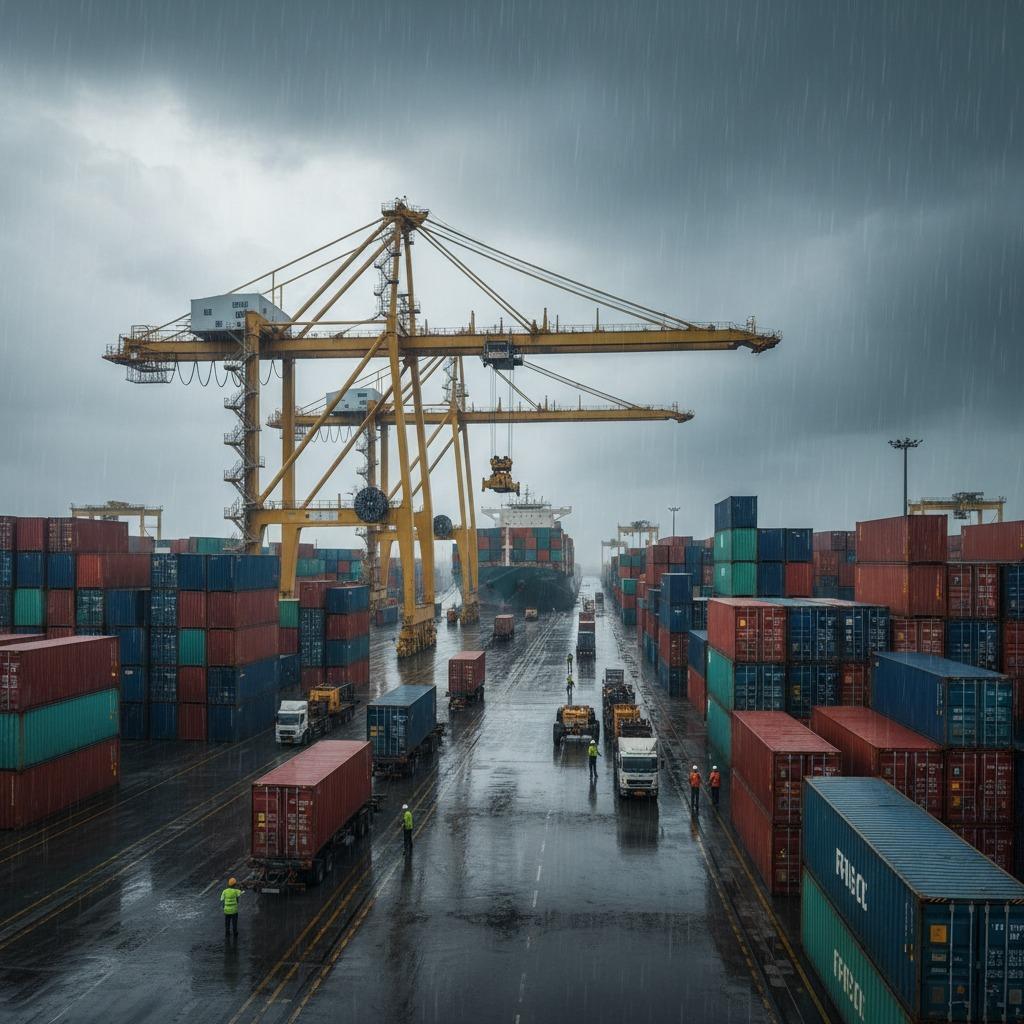
In the fast-paced world of logistics, staying ahead means embracing cutting-edge solutions that streamline operations and boost efficiency. Logistics has evolved from simple transportation to a sophisticated ecosystem integrating technology, durability, and sustainability. This article explores key innovations in logistics, highlighting how they address contemporary challenges in shipping, storage, and global trade. Whether you're a business owner or a logistics enthusiast, these advancements promise to transform how goods move across the globe.
1. Industrial-Grade Shipping Containers: Built for Endurance and Versatility
At the core of effective logistics are industrial-grade shipping containers, designed to withstand the rigors of international transport. These robust units, constructed from corrosion-resistant steel, endure extreme weather while maintaining structural integrity over long hauls. Available in standard 20-ft and 40-ft sizes, they offer customizable configurations that optimize space in warehouses and on cargo ships. What sets them apart is their stackable design, allowing seamless vertical utilization in busy depots or shipping yards. Beyond traditional freight, these containers shine in innovative uses like modular homes or eco-friendly workspaces, adding a layer of versatility to logistics. Color-coded for quick identification, they enhance organization in high-volume environments. Certified by MSC standards, these containers ensure reliability, making them indispensable for global logistics networks that demand both security and cost-efficiency.
2. Smart Logistics Integration Systems: Harnessing AI for Seamless Connectivity
Logistics today relies heavily on smart integration systems that connect air, sea, and land transportation modes for unparalleled optimization. Imagine a platform where airplanes, bridges, and ports work in harmony to manage urgent air cargo or massive port consignments effortlessly. Advanced container tracking via GPS and IoT sensors provides real-time insights into location, condition, and transit progress, powered by AI-driven inventory management. High-functioning cranes and streamlined dock schedules minimize delays, boosting port operations efficiency. Sustainability is key, with algorithms reducing energy consumption and carbon footprints across channels. This global accessibility empowers businesses of all sizes, from small exporters to large enterprises, ensuring products reach destinations swiftly. By fostering transparency and reliability, these systems mark a new era in logistics, delivering cost savings and faster turnaround times that redefine supply chain dynamics.
3. Advanced Container Ships: Engineering Efficiency on the High Seas
No discussion of modern logistics is complete without spotlighting colossal container ships that bridge continents with precision. These vessels, featuring sleek designs and eco-friendly propulsion, carry vast cargo quantities while minimizing fuel use and adhering to environmental standards. Stacked decks of colorful containers—red, blue, yellow, and teal—demonstrate optimized loading technologies that maximize capacity without compromising safety or balance, even in rough waters. Advanced navigational systems ensure stable voyages, supported by tugboats for precise dockside maneuvers. This combination guarantees reliable transits, enhancing productivity in the broader logistics ecosystem. From diverse goods like electronics to perishables, these ships handle varied cargo types, underscoring their role in global commerce. By prioritizing durability and sustainability, they not only transport goods efficiently but also promote responsible practices that benefit businesses and communities worldwide.
4. Sustainable Practices in Logistics: Towards a Greener Future
Sustainability is reshaping logistics, with innovations focused on reducing environmental impact without sacrificing speed. Eco-friendly infrastructure in ports and ships cuts emissions through optimized routes and low-consumption technologies. Containers and systems now incorporate recyclable materials and energy-efficient designs, aligning with global standards. For instance, smart tracking reduces unnecessary trips, while stackable units promote efficient space use, lowering overall resource demands. Businesses adopting these practices gain a competitive edge, appealing to eco-conscious consumers and regulators. In logistics, the shift to green solutions isn't just ethical—it's strategic, driving long-term cost savings and resilience against regulatory changes.
5. The Future of Logistics: Integration and Innovation Ahead
Looking forward, logistics will continue to innovate, blending human expertise with automation for hyper-efficient networks. From AI predictive analytics to blockchain for secure tracking, the possibilities are endless. These advancements ensure logistics remains a vital backbone for global trade, adapting to challenges like e-commerce booms and supply disruptions. By investing in durable containers, smart systems, and sustainable ships, companies can future-proof their operations. Ultimately, mastering logistics means embracing change, fostering connectivity, and delivering value in an interconnected world.





