
Top Innovations Revolutionizing Logistics in the Modern Era
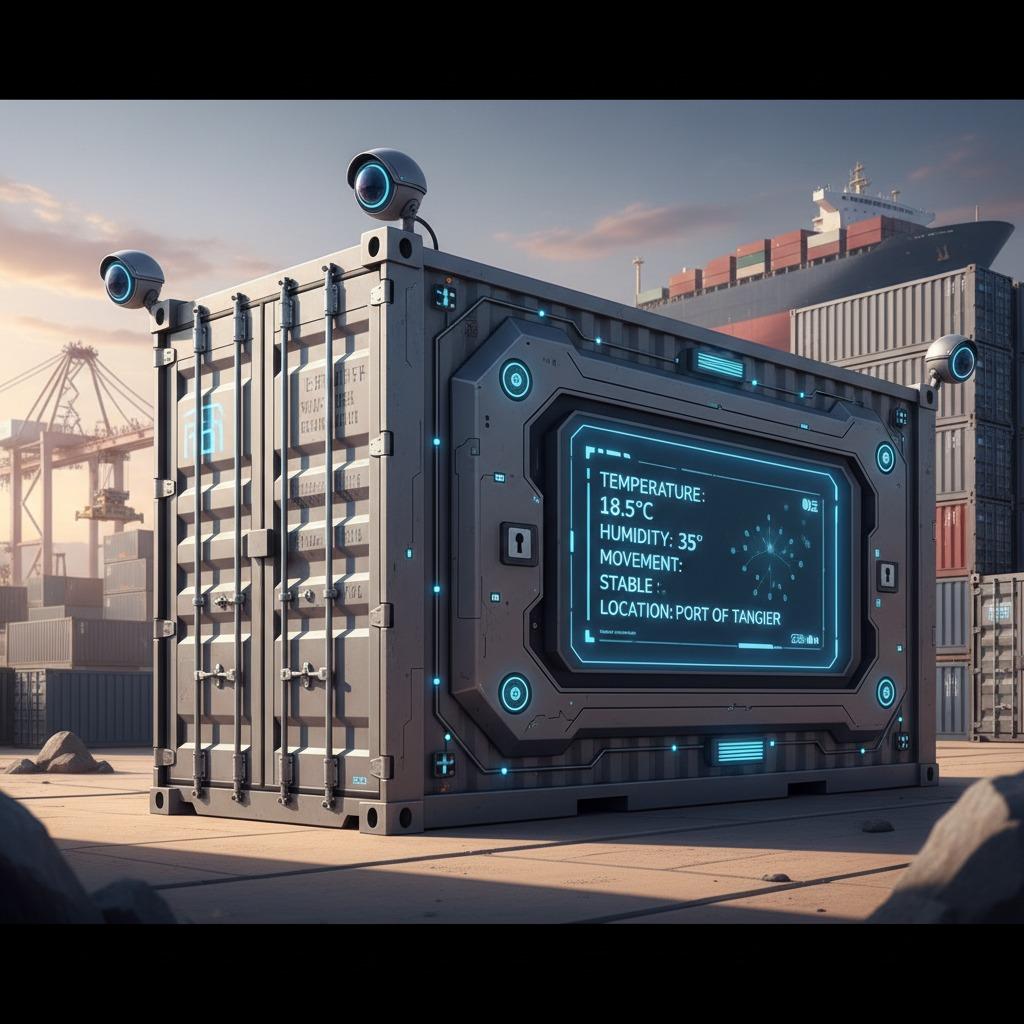
In the fast-paced world of logistics, staying ahead means embracing cutting-edge solutions that streamline operations and boost efficiency. Logistics has evolved dramatically, and today's innovations are transforming how businesses manage supply chains globally. From smart containers to advanced vessels, these technologies are key to minimizing delays and maximizing reliability. This article explores the top advancements in logistics, highlighting products and systems that are reshaping the industry.
1. The Smart Shipping Container System: IoT-Powered Efficiency
At the forefront of logistics innovation is the Smart Shipping Container System, which integrates advanced IoT technology into durable shipping containers. This system provides real-time monitoring of cargo conditions like temperature, humidity, and movement, ensuring goods arrive in perfect condition. Ideal for ports, warehouses, and distribution hubs, it features tamper-proof locks and smart surveillance for enhanced security. Businesses in logistics benefit from instant inventory management through scannable codes, reducing errors and speeding up processes. Moreover, its eco-friendly materials and energy-efficient design support sustainable operations, making it a versatile choice that seamlessly integrates with existing machinery like forklifts and trucks. For global logistics companies and e-commerce giants, this system redefines efficiency by offering transparency and reliability throughout the supply chain.
2. Smart Freight Management System: Streamlined Tracking and Safety
Another game-changer in logistics is the Smart Freight Management System, designed to optimize freight operations from loading to delivery. This solution excels in container tracking technology, providing real-time visibility integrated with vehicle services for dynamic transportation flows. In busy facilities, it ensures robust safety through meticulous packaging on secured pallets, complying with international standards to prevent damage. The system's integrated loading processes coordinate forklifts, trucks, and personnel efficiently, while warehouse integration allows for modular stacking to maximize storage without disorganization. Logistics professionals in high-visibility gear can rely on automation and inspections for accuracy. Perfect for retail and manufacturing industries, this system prioritizes scalability, security, and sustainability, eliminating worries about delays or misplaced cargo and delivering peace of mind in complex operations.
3. Next-Generation Futuristic Cargo Vessel: Maritime Transformation
Pushing the boundaries of logistics at sea is the Next-Generation Futuristic Cargo Vessel, a marvel of maritime technology. Equipped with revolutionary propulsion systems using turbine engines and advanced energy setups, it offers eco-friendly power for long-range transport while cutting carbon emissions. The vessel's smart container management uses RFID tags for real-time inventory tracking and seamless handling during loading and unloading. Complementing this are autonomous drone fleets for last-mile delivery, enabling efficient distribution even in remote areas. Its sleek, aerodynamic hull and solar dome harness renewable energy to power onboard systems, enhancing sustainability. Advanced AI and GPS navigation allow autonomous route optimization, adapting to maritime conditions for safe, timely deliveries. This innovation underscores logistics' commitment to a greener, faster future, ideal for exporters and importers seeking unmatched speed and functionality in global shipping.
4. Integrated Sustainability and Compatibility in Logistics Solutions
Beyond individual products, modern logistics thrives on integrated features like sustainability and compatibility that tie everything together. Eco-friendly designs in containers and vessels reduce environmental impact without sacrificing performance, aligning with global green initiatives. Versatile compatibility ensures these systems work with existing logistics software and hardware, minimizing disruption during adoption. For instance, IoT monitoring and RFID tracking create a unified network across land, sea, and air transport, fostering operational transparency. Logistics managers can leverage these for better inventory control and predictive analytics, anticipating issues before they arise. As e-commerce and international trade grow, such integrations are essential, empowering businesses to scale efficiently and securely.
5. The Future of Logistics: Scalability and Innovation
Looking ahead, the future of logistics lies in scalable innovations that adapt to evolving demands. Systems like the Smart Shipping Container and Futuristic Cargo Vessel set the stage for AI-driven automation, where drones and autonomous navigation become standard. This shift not only enhances efficiency but also builds resilience against disruptions like weather or supply shortages. Companies embracing these logistics advancements gain a competitive edge, with reduced costs and improved customer satisfaction. Whether for bulk goods or high-value exports, investing in such technologies promises a smarter, more connected supply chain. As the industry continues to innovate, the focus on security, sustainability, and real-time data will drive unprecedented growth and reliability worldwide.





