
(Share the latest international logistics information)
Recently, around 100 containers suspected of carrying toxic materials will be returned to Europe amid protests by environmental organizations. These containers hold 800 tons of hazardous industrial waste from Albania that was originally intended to be shipped to Thailand. Environmental groups had earlier warned that this waste was being illegally exported to Southeast Asia.
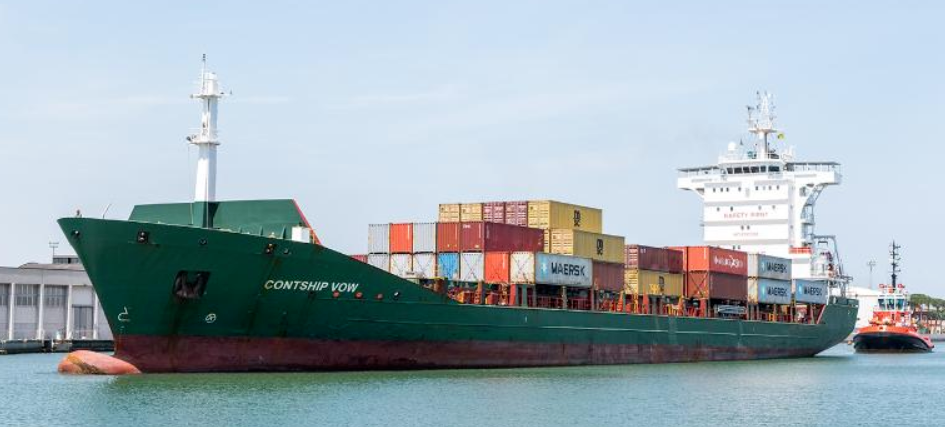
In mid-July, these containers were loaded onto the Contship Vow vessel in Albania and shipped to the port of Trieste in Italy. Upon arrival, the containers were transferred to two Maersk ships—Maersk Campton and Maersk Candor—intended to be routed through Singapore and eventually to Thailand. However, in Singapore, environmental groups accused Maersk Campton of carrying 40 containers filled with hazardous dust waste. These containers were subsequently transferred to an MSC vessel on August 18th and sent back to Italy.
Maersk Campton has since departed from Singapore and is en route to Tianjin, China. Maersk stated that they are collaborating with Singaporean authorities and MSC to return the hazardous cargo to Albania, with an estimated arrival at the port of Gioia Tauro in Italy by the end of September. The Maersk Campton was built in 2022, has a capacity of 15,000 TEU, flies the British flag, and is deployed on the 2M Alliance's Asia-Mediterranean route.

(Share the latest international logistics information)
Another ship, Maersk Candor, is carrying 60 containers suspected of containing hazardous waste and is expected to arrive in Singapore in early September, before ultimately returning to Italy. The ship, also built in 2022, has a capacity of 15,473 TEU, flies the Liberian flag, and is similarly deployed on the 2M Alliance's Asia-Mediterranean route.
Maersk spokesperson Summer Shi stated that these containers were not declared as containing hazardous waste and that if they were confirmed to hold such materials, Maersk would refuse to transport them. Additionally, Maersk is cooperating with relevant authorities to address the issue.
Earlier this month, the Basel Action Network informed Thailand that a shipment of potentially hazardous electric arc furnace dust was en route to Thai ports. The Thai Port Authority subsequently declared it would not accept this waste and notified Singaporean authorities. Thailand's Industrial Engineering Department stated that no government agency had been notified or had approved the transport of these goods and that they are actively monitoring to prevent illegal shipments.
Erjon Uka, spokesperson for Albania's Ministry of Tourism and Environment, said that Albanian authorities had not approved the export of this so-called hazardous waste and revealed that Albania's law enforcement is working with the European Anti-Fraud Office (OLAF) to investigate the case and all logistical aspects of this waste's transport from Europe to Southeast Asia.
It is understood that the waste originated from a metallurgical plant near Elbasan, Albania, and consists of toxic steel furnace dust collected from pollution control filters. This waste contains toxic metal oxides and requires special handling. In recent years, Thailand and other Southeast Asian countries have received large quantities of waste from developed countries, including toxic plastic, industrial waste, and electronic waste. Under the Basel Convention, the transport of waste to other countries requires the consent of the receiving nation.
In response to this issue, the European Union is tightening its restrictions on the transport of toxic waste. Under new regulations set to take effect in 2027, the export of EU waste to non-OECD countries will only be allowed if the European Commission confirms that the receiving country has the capacity to manage the waste sustainably.
(Share the latest international logistics information)





