
Comparing Traditional Logistics vs. Modern SmartStack Innovations
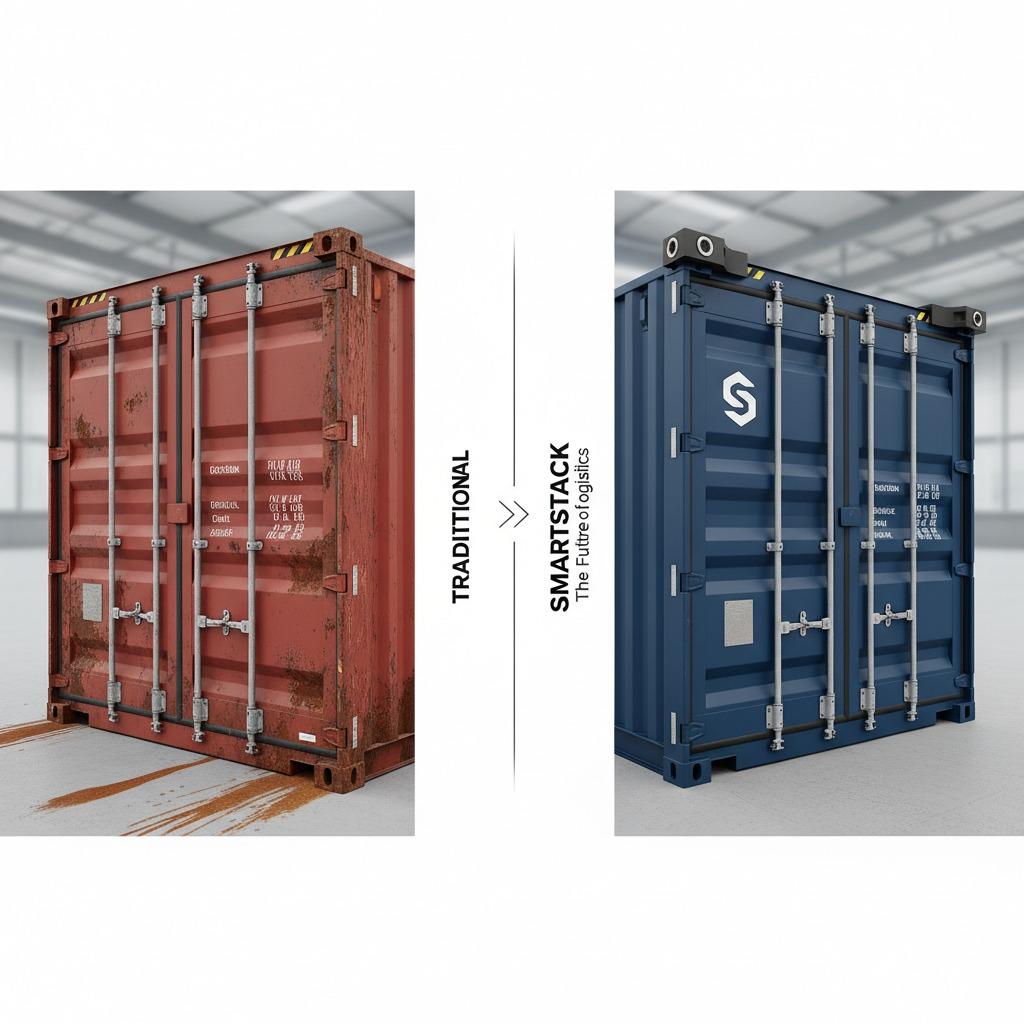
In the world of logistics, efficiency and reliability are paramount, especially when comparing traditional methods to cutting-edge solutions like SmartStack Containers. Traditional logistics often rely on standard shipping containers that prioritize basic durability but lack advanced features for optimization. These conventional approaches, while effective for straightforward transport, frequently face challenges in stacking stability and environmental protection. On the other hand, SmartStack Containers introduce a revolutionary logistics paradigm with their smart interlock system, allowing for secure vertical stacking that maximizes space in warehouses and on ships. This comparison highlights how modern logistics tools can transform operations, reducing downtime and enhancing safety for global trade.
Durability and Weather Resistance: A Stark Contrast in Logistics Practices
When examining durability, traditional logistics containers made from basic steel often succumb to rust and wear in harsh conditions like oceanic exposure or extreme temperatures. This vulnerability can lead to costly damages and delays in the supply chain. In contrast, SmartStack Containers, fabricated from reinforced corten steel, offer superior weather resistance with built-in rubber seals that block out dust, water, and contaminants. For logistics professionals handling international shipping, this means fragile goods remain protected, unlike with older models that might require additional packaging. Furthermore, the tamper-proof locking system in SmartStack adds a layer of security absent in many traditional setups, making it a clear winner for secure logistics management.
Sustainability and Organization: Revolutionizing Logistics Efficiency
Sustainability is another arena where traditional logistics falls short compared to innovative alternatives. Older containers contribute to waste through limited recyclability and high resource consumption, often ending up in landfills after use. SmartStack Containers, however, are 100% recyclable and designed for multi-purpose repurposing, such as converting into housing or pop-up shops, aligning with eco-friendly logistics goals. Organizationally, the vibrant, color-coded designs of SmartStack facilitate quick identification in busy ports, speeding up logistics processes that traditional drab containers slow down. Integrating these with modern maritime and airfreight systems, as seen in advanced cargo ships and interconnected transport networks, exemplifies how logistics can blend aesthetics, functionality, and environmental responsibility for a greener future.
Future-Proofing Logistics: From Basic Transport to Integrated Solutions
Looking ahead, the evolution of logistics demands a shift from basic transport vessels to integrated, technology-driven ecosystems. Traditional cargo ships, while capable of handling large loads, often struggle with maneuverability and space optimization without additional support like tugboats. SmartStack Containers elevate this by optimizing interior space with customizable shelving and insulation, ideal for diverse goods from machinery to perishables. When paired with high-capacity ships and air routes, they create a synergistic logistics network that ensures swift, safe delivery worldwide. This comprehensive approach not only contrasts with outdated methods but also positions businesses to thrive in a competitive, globalized market, where logistics innovation drives success and adaptability.





