
Understanding the Dynamics of Logistics in Modern Global Trade
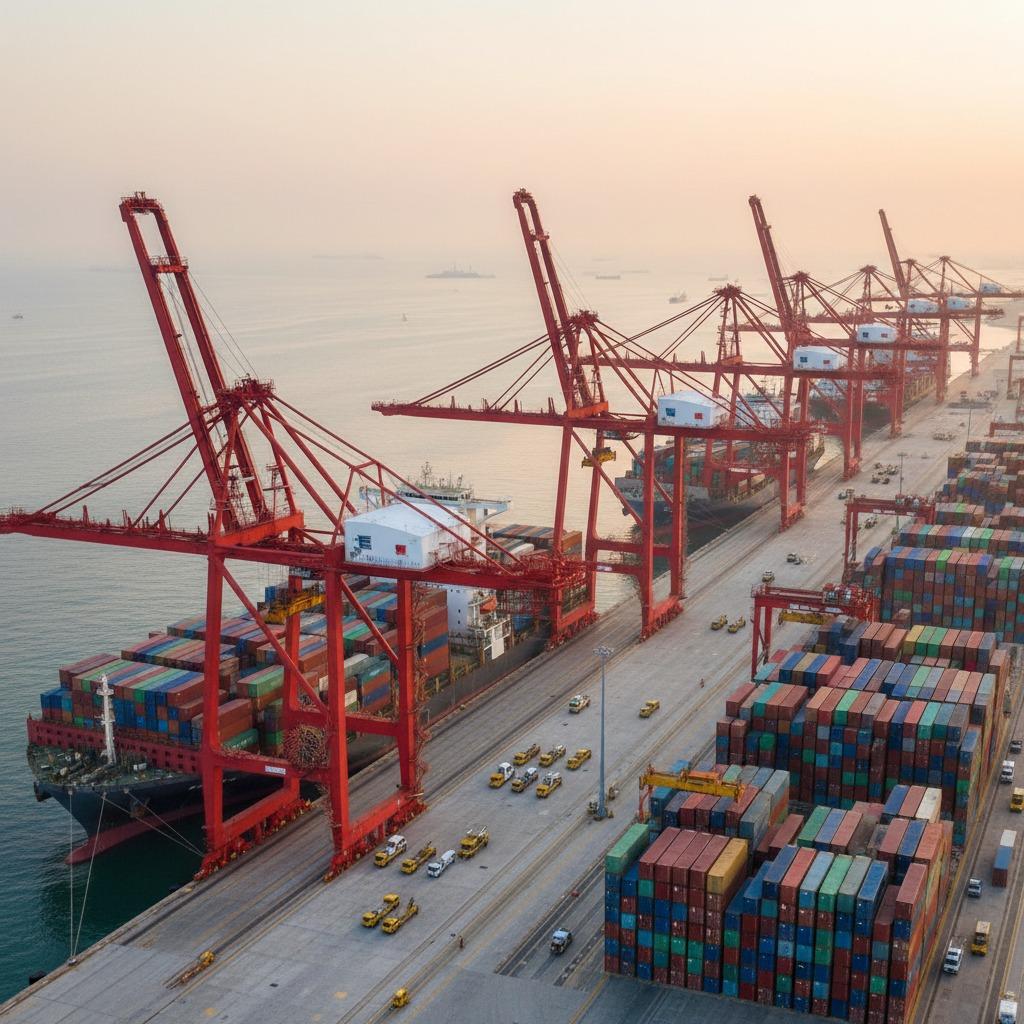
Logistics forms the backbone of international commerce, ensuring that goods move efficiently from origin to destination. In today's interconnected world, effective logistics is crucial for businesses aiming to thrive amid complex supply chains. This article explores the intricacies of logistics, highlighting how advanced technologies and strategies are revolutionizing the field. From port operations to air freight, logistics encompasses a wide array of processes designed to optimize speed, cost, and reliability.
The Role of Advanced Port Infrastructure in Logistics
Modern container terminals exemplify the pinnacle of logistics innovation. Towering gantry cranes, painted in vibrant red, dominate the skyline as they effortlessly load and unload massive vessels brimming with colorful shipping containers. These containers, each a link in the global trade network, connect continents and facilitate the seamless flow of goods. State-of-the-art technology in these ports enables rapid handling, minimizing delays and maximizing throughput. The sprawling dock facilities, equipped with robust systems, address potential bottlenecks, ensuring industries worldwide operate without interruption. Moreover, the versatility of these hubs accommodates diverse vessel types, from bulk carriers to specialized ships, underscoring the adaptability essential to contemporary logistics. Sustainability is also a priority, with energy-efficient designs that reduce environmental impact while maintaining high productivity. This integration of precision engineering and operational efficiency positions such ports as vital nodes in the logistics ecosystem.
Construction and Infrastructure Supporting Logistics Networks
Behind the visible spectacle of bustling ports lies the foundational work of construction that underpins robust logistics infrastructure. Skilled workers, utilizing heavy-duty equipment like suspended concrete buckets, collaborate to erect structures that withstand the demands of global trade. Advanced scaffolding systems, reinforced with steel rods, ensure safety and durability in mid-to-high-rise projects critical for warehousing and distribution centers. This blend of manual craftsmanship and cutting-edge tools symbolizes the human ingenuity driving logistics forward. The dramatic backdrop of evolving skylines reflects the balance between innovation and reliability, creating facilities that endure for generations. Efficient construction methods not only accelerate project timelines but also enhance the overall capacity of logistics networks, allowing for quicker expansion and adaptation to growing trade volumes. By prioritizing structural integrity, these efforts contribute to a resilient foundation that supports the uninterrupted movement of goods.
Air Freight Services: Revolutionizing Logistics Speed and Reach
For time-sensitive shipments, air freight services represent a transformative aspect of logistics. These premium solutions prioritize unmatched speed and efficiency, leveraging modern aircraft and expert coordination to meet tight deadlines. With a global network spanning remote locations, air freight ensures seamless delivery across continents, making it indispensable for industries like electronics and pharmaceuticals. Safety remains paramount, as precision handling protects goods from damage, arriving in pristine condition. Customized options cater to varied needs, including oversized cargo and fragile items, while real-time tracking provides transparency and peace of mind. This level of service redefines logistics by offering reliability without compromising velocity. Businesses benefit from reduced lead times, enabling faster market responses and competitive edges. As global trade intensifies, air freight's role in logistics continues to expand, bridging distances that ground transport cannot match efficiently.
Future Trends and Challenges in Logistics
Looking ahead, logistics is poised for further evolution through emerging technologies like automation and AI-driven predictive analytics. These tools promise to enhance forecasting accuracy, optimize routes, and reduce costs, addressing challenges such as supply chain disruptions. However, issues like geopolitical tensions and environmental regulations demand adaptive strategies. Ports and air freight providers are increasingly adopting green practices, from electric cranes to fuel-efficient flights, aligning logistics with sustainability goals. Data integration across the supply chain will foster greater visibility, mitigating risks and improving decision-making. For companies, embracing these trends means investing in digital twins and blockchain for secure, traceable transactions. Ultimately, the future of logistics lies in balancing innovation with resilience, ensuring that global commerce remains fluid and accessible. By understanding these dynamics, stakeholders can navigate complexities and capitalize on opportunities in this vital sector.





