
Understanding Modern Logistics: The Backbone of Global Trade
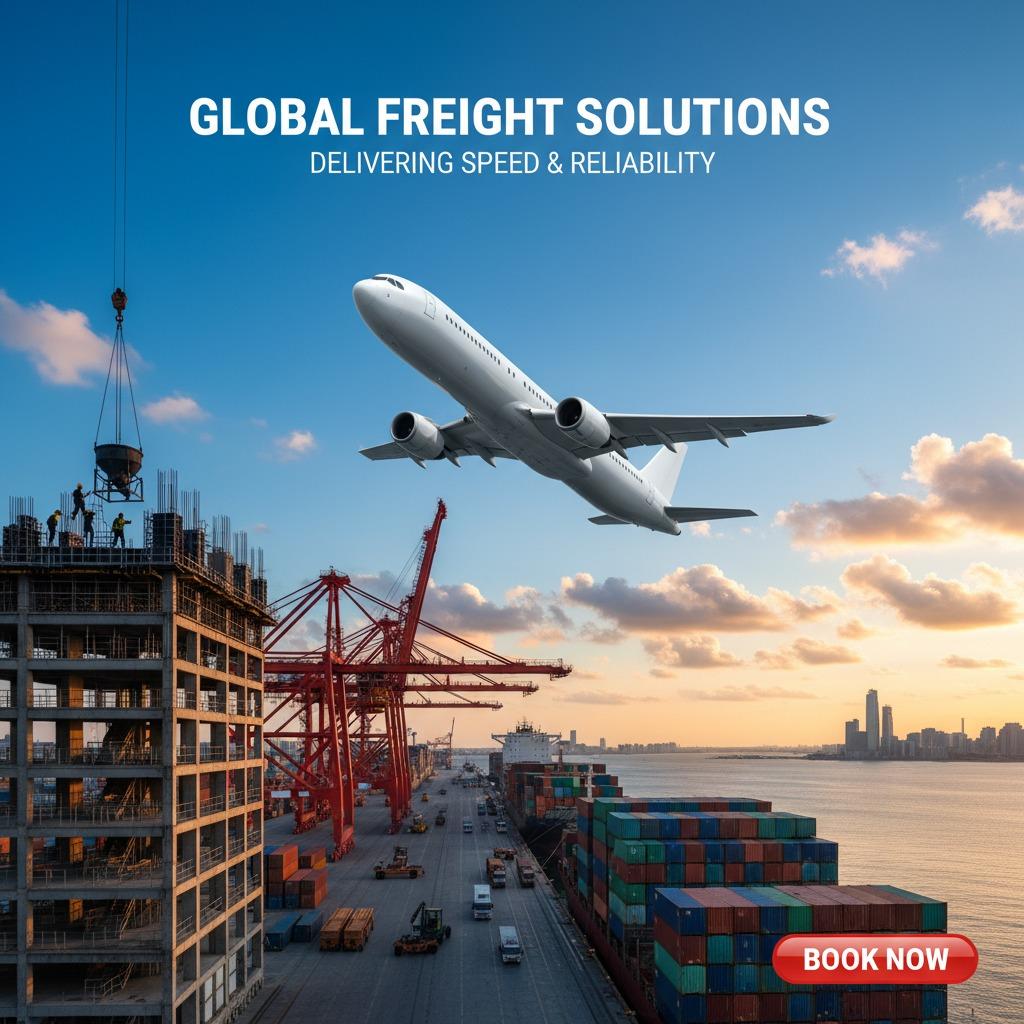
In today's interconnected world, logistics stands as the vital force driving the seamless movement of goods across borders and oceans. Logistics encompasses the planning, execution, and control of the efficient flow and storage of products from origin to consumption. As businesses expand globally, effective logistics has become indispensable for maintaining competitive edges, ensuring timely deliveries, and optimizing supply chains. This article delves into the intricacies of logistics, highlighting its evolution and key components that power modern commerce.
The Evolution of Logistics in the Digital Age
Logistics has transformed dramatically over the decades, shifting from manual processes to sophisticated, technology-driven systems. In the past, logistics relied heavily on human intervention and basic transportation methods, but today, it integrates advanced tools like AI, IoT, and automation to enhance efficiency. For instance, smart port solutions represent the pinnacle of this evolution, where high-capacity automated container terminals handle massive volumes with precision and speed. These systems, featuring ultra-large ship-to-shore gantry cranes, reduce vessel turnaround times and maximize berth productivity, directly impacting global trade efficiency. The incorporation of digital control towers allows for real-time asset visibility and predictive maintenance, minimizing disruptions and bolstering supply chain reliability. This progression in logistics not only cuts costs but also supports sustainable practices by optimizing resource use and reducing emissions.
Key Components of Effective Logistics Systems
At the heart of successful logistics are several interconnected elements that ensure smooth operations. Transportation forms the core, encompassing air freight services for time-sensitive shipments, maritime routes for bulk cargo, and ground logistics for domestic distribution. Air freight, in particular, offers rapid transit times and global reach, ideal for high-priority items like electronics or perishables, with features such as advanced tracking ensuring security and reliability. On the maritime front, automated terminals streamline container handling, managing diverse cargo categories from consumer goods to industrial materials. Warehousing and inventory management complement these by providing strategic storage solutions, often enhanced by automation for quick retrieval and dispatch. Additionally, robust logistics platforms incorporate scalability and safety enhancements, such as precision control systems in heavy-duty equipment, which are crucial for construction-related logistics in infrastructure projects. Together, these components create an integrated ecosystem that adapts to varying demands, from high-frequency international shipping to localized supply needs.
The Role of Innovation in Future-Proofing Logistics
Looking ahead, innovation is key to future-proofing logistics against emerging challenges like geopolitical shifts and environmental concerns. Automation readiness in port infrastructures, for example, paves the way for autonomous carriers and AI-assisted planning, promising even greater throughput and reduced labor bottlenecks. Companies leveraging these advancements can achieve higher crane utilization and lower congestion, benefiting shipping lines with faster port calls and operators with improved asset efficiency. Moreover, the emphasis on resilience ensures logistics networks withstand disruptions, maintaining the flow of goods in an unpredictable world. As global trade volumes surge with the rise of e-commerce and mega-vessels, investing in such modern logistics solutions becomes not just strategic but essential. By embracing these technologies, businesses can foster stronger end-to-end supply chain reliability, positioning themselves at the forefront of a dynamic industry.
Challenges and Solutions in Contemporary Logistics
Despite its advancements, logistics faces hurdles such as supply chain volatility, regulatory compliance, and sustainability pressures. Addressing these requires a multifaceted approach, including diversified routing options and eco-friendly practices. For instance, air freight services mitigate delays in urgent scenarios, while modular terminal designs support flexible operations for diverse shipment types. Safety enhancements, like weight sensors in construction cranes tied to logistics for material transport, further mitigate risks. Ultimately, overcoming these challenges through data-driven insights and collaborative networks will define the next era of logistics, ensuring it remains the resilient backbone of global economies.





