
Understanding Logistics in Modern Supply Chains
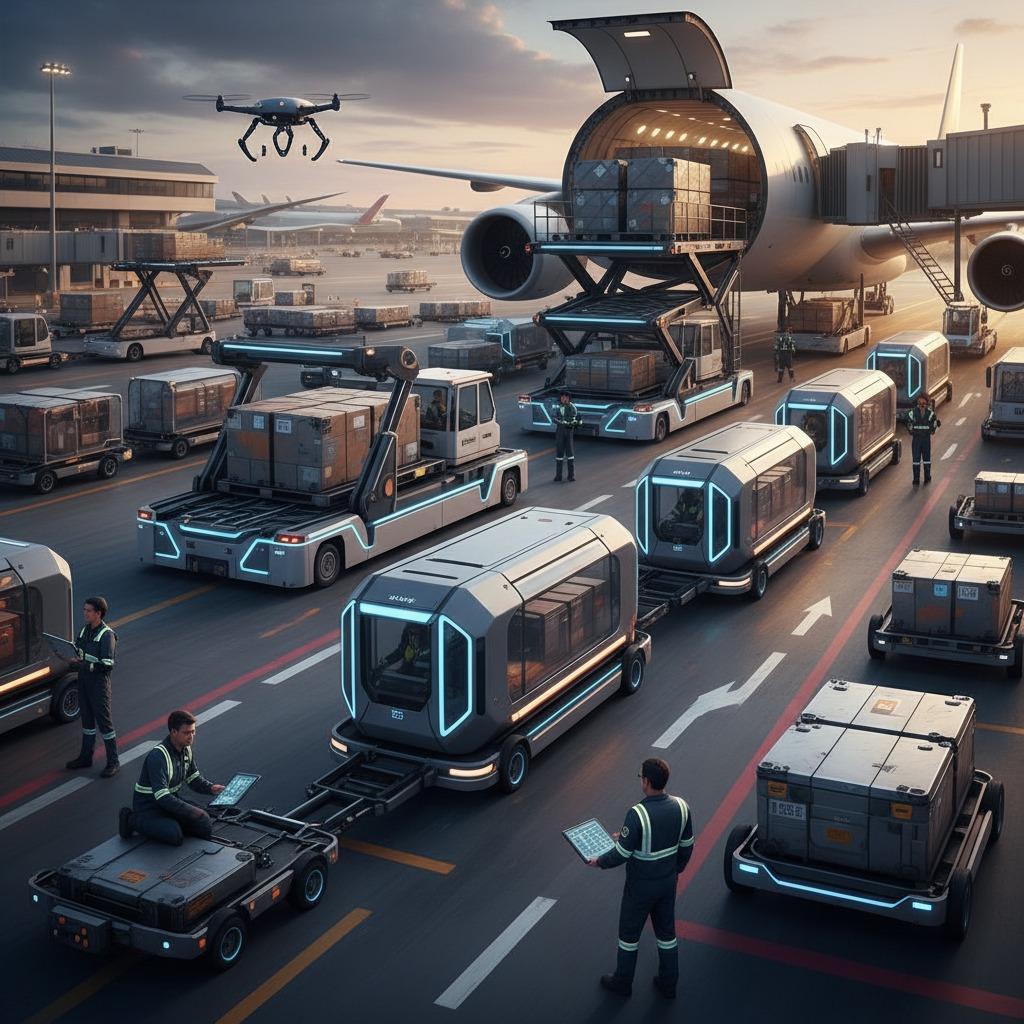
Logistics forms the backbone of efficient supply chain management, ensuring that goods move seamlessly from origin to destination. In today's fast-paced global economy, effective logistics is crucial for businesses aiming to meet customer demands while minimizing costs and delays. This article explores the intricacies of logistics, highlighting its role in aviation and freight transportation, and how innovative solutions are transforming the industry.
The Role of Logistics in Aviation Infrastructure
In the aviation sector, logistics encompasses ground-support operations that keep airports running smoothly. Cutting-edge products like advanced cargo loaders, fuel trucks, and baggage carts are designed to enhance efficiency and reliability. For instance, electric-powered or hybrid baggage carts feature larger capacity compartments, streamlining loading and unloading processes while reducing transit times. These ergonomic designs prioritize operator safety, minimizing physical strain during high-volume operations. Fuel trucks, with their compact yet powerful builds, enable precise refueling for aircraft of varying sizes, incorporating integrated monitoring systems to control fuel delivery and reduce emissions. Cargo loaders, equipped with automated systems, support high load capacities, ensuring secure and durable transfer of goods. This integration of technology in airport logistics not only boosts operational success but also aligns with sustainability goals by promoting eco-friendly practices.
Advancements in Aircraft and Freight Logistics
Logistics extends beyond ground operations to include the aircraft themselves and broader freight networks. Modern aircraft represent a fusion of sleek design and cutting-edge engineering, optimizing fuel efficiency and reducing noise emissions to meet environmental standards. Their state-of-the-art cockpits with next-generation avionics provide pilots with precision control, while spacious cabins ensure passenger comfort through ergonomic seating and enhanced air circulation. In freight logistics, heavy-duty container trucks play a pivotal role in intermodal transportation. These trucks handle standard 20-foot and 40-foot containers from global providers like COSCO and CAPITAL, featuring robust engines for long-distance hauls across various terrains. With streamlined, aerodynamic exteriors and durable chassis, they emphasize fuel efficiency and stability, supporting secure container locks for versatility in ports, rail terminals, and warehouses. Eco-friendly variants incorporate advanced fuel-saving technologies, lowering emissions and operational costs while maintaining high performance for industrial, consumer, and agricultural shipments.
Future Trends and Sustainability in Logistics
Looking ahead, logistics is evolving toward greater sustainability and technological integration. The shift to hybrid and electric systems in ground equipment and vehicles addresses environmental concerns, reducing the carbon footprint of transportation networks. Automated systems and connectivity standards are enhancing precision in delivery, making logistics faster and safer. For airports and freight companies, adopting these innovations means future-proofing operations against dynamic demands. Statistics show that efficient logistics can cut supply chain costs by up to 15%, according to industry reports from organizations like the International Air Transport Association (IATA). As global trade expands, investing in reliable logistics solutions ensures competitiveness. Businesses that prioritize these advancements not only improve efficiency but also contribute to a greener planet, setting new benchmarks in the field.
Challenges and Solutions in Global Logistics
Despite its advancements, logistics faces challenges such as supply chain disruptions and regulatory compliance. In aviation, weather delays and maintenance issues can impact timelines, while in freight, terrain variations and international borders add complexity. Solutions include real-time tracking via IoT devices and AI-driven predictive analytics, which forecast potential delays and optimize routes. For example, container trucks with enhanced connectivity allow for seamless data sharing across logistics partners, improving coordination. In airports, automated cargo loaders reduce human error, ensuring consistent performance under pressure. By addressing these hurdles, logistics continues to drive economic growth, with the global market projected to reach $12 trillion by 2027, per Statista insights. Embracing these strategies positions companies at the forefront of an ever-evolving industry.





