
What is Logistics and Why Does It Matter?
Logistics forms the backbone of global commerce, encompassing the planning, implementation, and control of the efficient movement and storage of goods, services, and information from origin to consumption. In today's interconnected world, effective logistics ensures that products reach consumers seamlessly, minimizing delays and costs while maximizing efficiency. Whether through air, sea, or land transport, logistics integrates various modes to support supply chains that power economies.
How Do Military Transport Aircraft Contribute to Logistics?
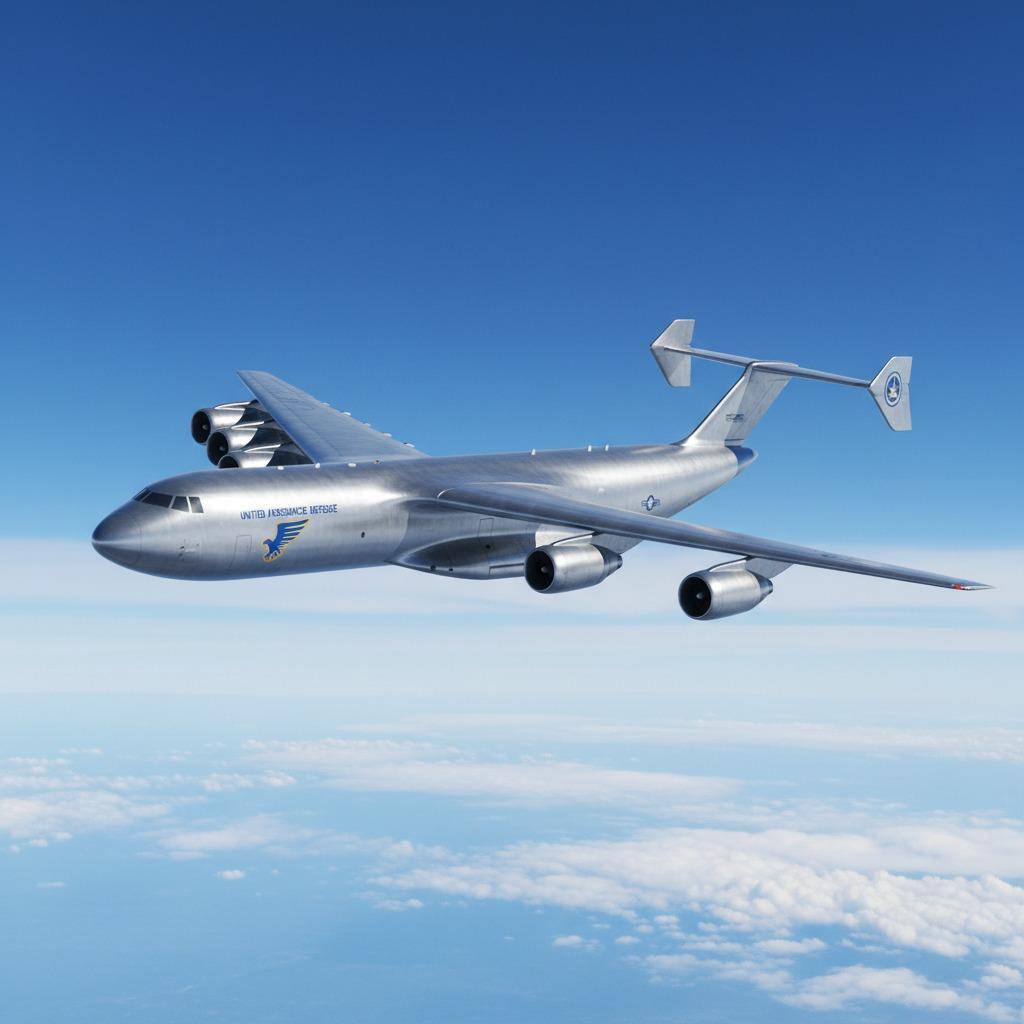
Military transport aircraft, such as the majestic heavy-lift models developed for national defense, play a pivotal role in strategic logistics. These robust aircraft, often branded with emblems like those of the China Air Force, are engineered for high-performance operations, including the rapid deployment of troops, vehicles, and humanitarian aid. Equipped with four advanced turbofan engines, they provide exceptional thrust and long-range endurance, making them ideal for heavy-lift capabilities in challenging environments.
Their sturdy fuselage, built with cutting-edge composite materials, withstands extreme conditions while accommodating impressive loads in an enhanced cargo hold. Advanced avionics systems offer superior navigation and real-time situational awareness, ensuring coordinated missions. In logistics, these aircraft exemplify strategic air mobility, enabling versatile operations across diverse terrains. For instance, they can swiftly transport heavy machinery or supplies, bolstering defense and humanitarian efforts worldwide. This fusion of innovation and reliability highlights how logistics extends beyond civilian applications into critical national security roles.
What Role Do Reach Stackers Play in Shipping Yard Logistics?
In busy shipping yards, reach stackers are essential machines for handling containers, streamlining the dynamic processes of global logistics. These robust devices, designed for precision engineering, effortlessly lift enormous weights, positioning shipping containers with accuracy. A typical reach stacker features a telescopic crane arm that allows for height and reach versatility, enabling containers to be stacked higher and saving valuable space in ports and depots.
Built with durable materials to endure harsh weather and intense operations, reach stackers ensure efficient cargo management. Containers they handle often bear branding from established logistics companies, adhering to international standards for secure freight transportation. This versatility supports multimodal transport—by sea, rail, or road—facilitating organized movement within the global supply chain. By optimizing container handling, reach stackers reduce turnaround times, lower operational costs, and enhance overall logistics flow, demonstrating the technological sophistication driving modern commerce.
How Does the Maersk Mc-Kinney Møller Exemplify Maritime Logistics?
The Maersk Mc-Kinney Møller stands as a marvel in maritime logistics, representing cutting-edge innovation and sustainability in global shipping. This colossal vessel, part of the renowned Maersk Line, can accommodate thousands of containers in various sizes, ensuring seamless trade across continents. Its structure optimizes payload capacity with stacked containers, combining strength and stability for complex logistical operations.
Iconic sky-blue branding underscores its legacy of reliability, while advanced eco-friendly technologies reduce emissions and improve fuel efficiency, aligning with environmental stewardship goals. Piloted by tugboats for precise harbor maneuvering, the ship incorporates the latest navigation systems for adaptability in differing oceanic conditions. In logistics, it excels in transporting goods, machinery, and commodities on a grand scale, delivering operational superiority. This vessel illustrates how maritime logistics integrates sustainability and efficiency, supporting the ever-growing demands of international freight transport.
What Are Common Challenges in Modern Logistics?
Logistics faces several challenges, including supply chain disruptions from geopolitical events, fluctuating fuel prices, and the need for sustainable practices. For military aircraft, adverse weather and security protocols add complexity, while reach stackers must navigate congested yards and equipment maintenance. Maritime giants like the Maersk Mc-Kinney Møller contend with port congestion and regulatory compliance. Overcoming these requires advanced technology, such as AI-driven forecasting and green innovations, to ensure resilient logistics networks.
How Can Businesses Optimize Their Logistics Strategies?
To optimize logistics, businesses should integrate digital tools for real-time tracking, diversify transport modes for flexibility, and prioritize eco-friendly solutions. Partnering with reliable providers, like those operating heavy-lift aircraft or efficient stackers, can enhance efficiency. Ultimately, a proactive approach to logistics not only cuts costs but also builds customer trust through timely deliveries and sustainable operations.





