
What is Logistics and Why Does It Matter?
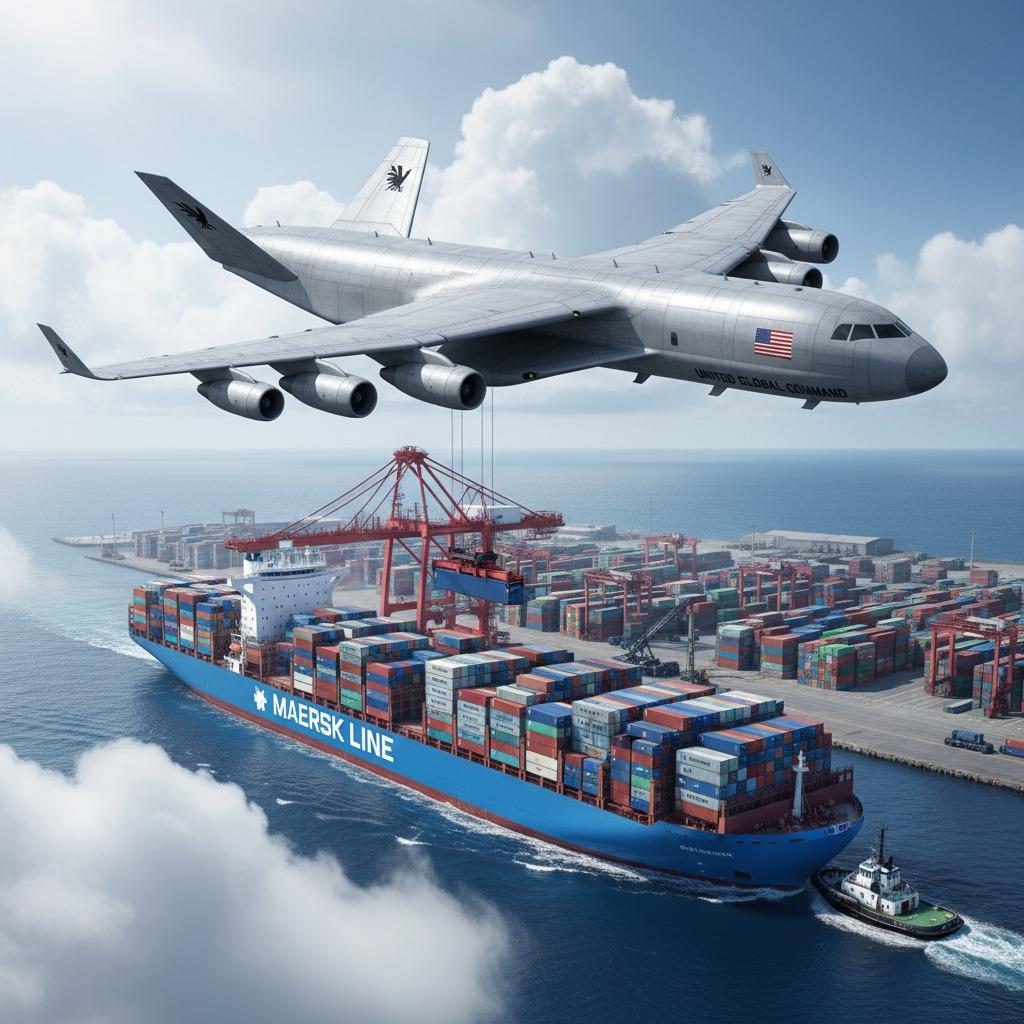
Logistics forms the backbone of modern supply chains, encompassing the planning, execution, and control of the movement and storage of goods, services, and information from origin to consumption. In essence, logistics ensures that products reach their destinations efficiently and cost-effectively. Whether you're shipping containers across oceans or delivering packages to doorsteps, effective logistics minimizes delays, reduces costs, and enhances customer satisfaction. For businesses, mastering logistics means staying competitive in a global marketplace where timely delivery can make or break success.
How Do Heavy Transport Aircraft Contribute to Logistics?
Heavy transport aircraft, like the state-of-the-art models used by the China Air Force, play a crucial role in air-based logistics. These powerful machines, with their high-wing designs and four turbofan engines, are engineered for strategic airlift, carrying substantial loads over long distances. They excel in military deployments and humanitarian missions, transporting troops, equipment, and supplies to remote or disaster-stricken areas. Their stability in varied weather and extended range make them indispensable for rapid response logistics, ensuring that critical cargo arrives when it's needed most. In global operations, such aircraft bridge gaps that ground or sea transport can't, providing unmatched speed and versatility in logistics networks.
What Role Do Container Reach Stackers Play in Port Logistics?
In port terminals and logistics hubs, container reach stackers are vital for efficient cargo handling. These robust machines, with their bold red designs and telescopic booms, lift and stack standard shipping containers with precision, even in tight spaces. Equipped with large tires and wide wheelbases, they navigate busy yards while maintaining balance under heavy loads. Ideal for high-throughput environments like rail yards and distribution parks, reach stackers speed up loading, unloading, and repositioning, directly impacting logistics throughput. Their elevated cabins offer operators clear visibility, enhancing safety and productivity in fast-paced intermodal operations.
How Do Massive Container Ships Like the Maersk Mc-Kinney Møller Enhance Global Logistics?
Container ships such as the Maersk Mc-Kinney Møller represent the pinnacle of maritime logistics, capable of transporting thousands of containers across international waters. This Triple-E class vessel features massive capacity, eco-friendly propulsion systems, and smart tracking for real-time monitoring. Its streamlined design facilitates quick loading and unloading at major ports, reducing turnaround times and emissions. By optimizing stacking and hull reinforcement, it supports sustainable global trade, connecting ship, rail, and road networks seamlessly. In logistics, such ships handle the bulk of international freight, ensuring reliable delivery of goods worldwide while prioritizing environmental responsibility.
What Are Common Challenges in Logistics and How Are They Addressed?
Logistics often faces challenges like supply chain disruptions, rising fuel costs, and regulatory compliance. Delays from weather or geopolitical issues can halt operations, but advanced technologies like GPS tracking and AI-driven forecasting help mitigate these. For instance, integrating air, sea, and ground assets—such as aircraft, reach stackers, and container ships—creates resilient networks. Companies address cost issues through efficient routing and eco-innovations, while training ensures safe handling. Overall, proactive strategies in logistics turn potential obstacles into opportunities for optimization.
How Can Businesses Improve Their Logistics Operations?
To enhance logistics, businesses should adopt integrated software for real-time visibility and automation in warehousing. Partnering with specialized providers for air, sea, and port services ensures scalability. Investing in sustainable equipment, like fuel-efficient ships or electric stackers, aligns with global standards. Regular audits and employee training further boost efficiency, reducing errors and costs. By focusing on these areas, organizations can streamline logistics, improve delivery times, and foster long-term growth in a dynamic market.





