
Understanding Modern Logistics: The Backbone of Global Trade
In the fast-paced world of international commerce, logistics stands as the critical pillar ensuring seamless movement of goods across borders and oceans. This intricate system encompasses everything from inventory management to transportation, all optimized to minimize delays and maximize efficiency. At its core, logistics integrates advanced technologies like AI-driven tracking and automated handling to transform traditional supply chains into smart, responsive networks. For businesses aiming to thrive in a globalized economy, mastering logistics is not just an option but a necessity, enabling faster delivery times and reduced operational costs.
Key Components of an Advanced Logistics Ecosystem
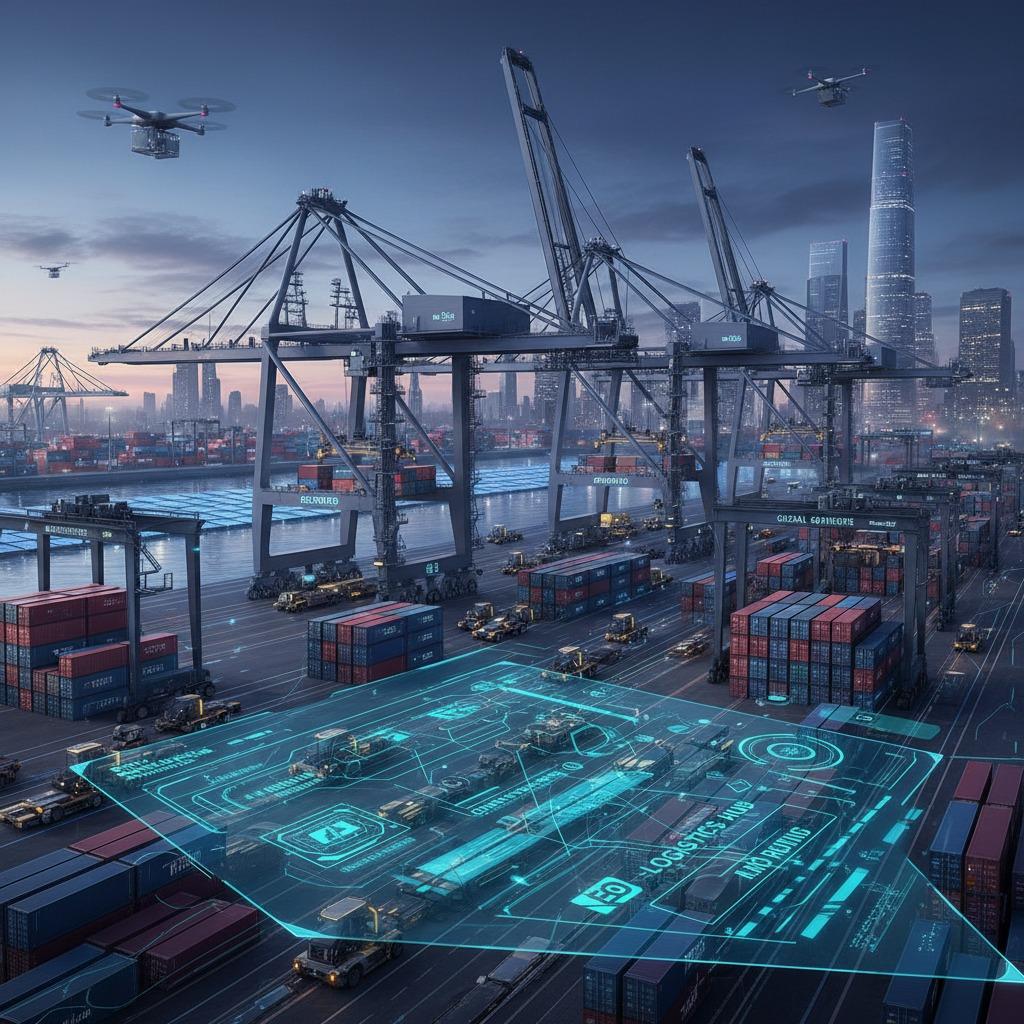
A state-of-the-art logistics hub, such as a sprawling container port, exemplifies the evolution of this field through cutting-edge infrastructure. Modern ports feature powerful crane systems capable of lifting massive containers with precision, reducing turnaround times from days to mere hours. Automated container handling technologies, including robotic arms and conveyor belts, ensure accurate sorting and loading, minimizing human error and enhancing safety protocols. These systems are often powered by real-time data analytics, where sensors on each container provide live updates on location, temperature, and condition, allowing for proactive adjustments in routing to avoid bottlenecks.
Furthermore, logistics software platforms integrate with global positioning systems (GPS) and Internet of Things (IoT) devices to create a unified dashboard for operators. This technical synergy enables predictive maintenance on equipment, such as cranes and ships, preventing downtime through algorithms that forecast wear and tear based on usage patterns. In a medium-sized port handling thousands of containers daily, such implementations can boost throughput by up to 30%, directly impacting the bottom line for shipping companies and their clients.
Sustainable Innovations in Logistics Operations
Sustainability has become a non-negotiable aspect of contemporary logistics, with eco-friendly practices embedded in every operational layer. Advanced ports now employ electric and solar-powered cranes that drastically cut down on fossil fuel dependency, aligning with international emission standards like those set by the International Maritime Organization (IMO). For instance, diesel-free machinery not only lowers the carbon footprint but also reduces noise pollution in harbor areas, benefiting nearby urban environments. These innovations are supported by energy-efficient designs in container ships, which incorporate hydrodynamic hulls to minimize drag and optimize fuel consumption during transoceanic voyages.
Onboard ship technologies further enhance this green approach, including advanced navigation systems that use satellite data to plot the most efficient routes, avoiding adverse weather and reducing fuel burn by 15-20%. Real-time inventory tracking via RFID tags ensures that perishable goods maintain optimal conditions, cutting waste and supporting circular economy principles. For maritime operations, round-the-clock monitoring stations equipped with AI analytics detect anomalies in cargo holds, ensuring compliance with safety regulations while promoting resource conservation.
The Future of Logistics: Integration and Scalability
Looking ahead, logistics is poised for even greater advancements through blockchain integration for transparent supply chain tracking, allowing stakeholders to verify every transaction and movement immutably. This technology addresses longstanding issues like fraud and counterfeiting in global trade, providing a secure ledger that enhances trust among partners. Scalable port designs, adaptable to fluctuating trade volumes, incorporate modular infrastructure that can expand with demand, such as additional berths for larger vessels or expanded container yards with vertical stacking solutions.
In essence, the logistics sector's technical prowess— from AI optimization to sustainable engineering—drives economic growth and connectivity worldwide. By leveraging these tools, industries can achieve unprecedented efficiency, turning complex global networks into streamlined pathways for commerce. As trade volumes continue to surge, investing in robust logistics infrastructure will define competitive edges in the years to come.





