
Understanding Modern Logistics: The Backbone of Efficient Supply Chains
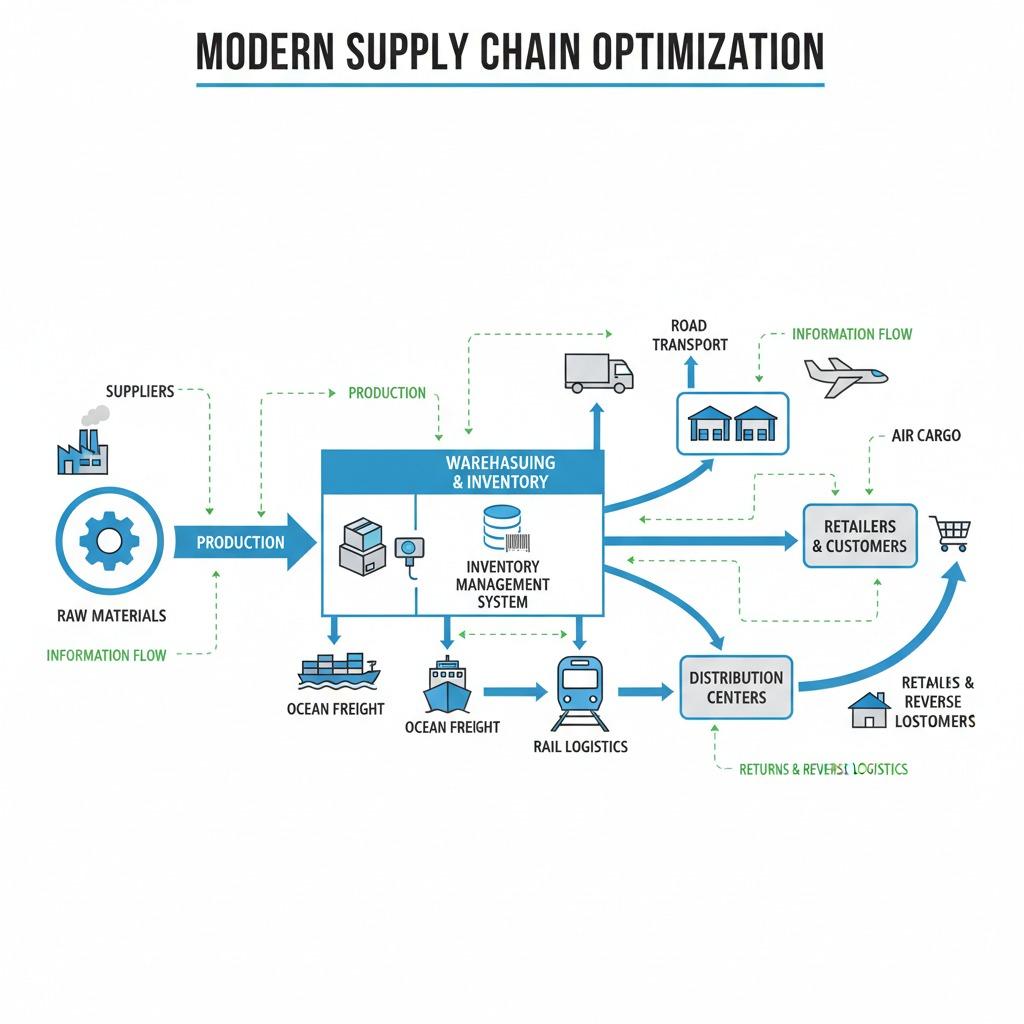
Logistics forms the cornerstone of any successful supply chain, encompassing the intricate processes of planning, implementing, and controlling the efficient flow and storage of goods, services, and related information from origin to consumption. In today's fast-paced global economy, effective logistics ensures that businesses can meet customer demands promptly while minimizing costs and environmental impact. At its core, logistics integrates various elements such as transportation, warehousing, inventory management, and order fulfillment, all working in tandem to create seamless operations. For instance, advanced logistics systems leverage technology to track shipments in real-time, predict demand fluctuations, and optimize routes, thereby reducing delays and enhancing overall productivity.
Key Components of Logistics in Warehouse Optimization
One critical aspect of logistics revolves around warehouse optimization, where state-of-the-art shelving and storage solutions play a pivotal role. Industrial-grade steel shelving units, often in vibrant orange-and-blue configurations, provide durability for handling varied loads, from stackable cartons to heavier pallets. These systems are designed to maximize storage capacity while ensuring easy identification and safe handling of packages. Paired with material handling equipment like high-efficiency yellow forklifts, logistics in warehouses becomes streamlined. These forklifts feature precision engineering with advanced hydraulic systems, allowing for quick and resilient movement of pallets even during peak hours. Spacious aisles, illuminated by bright LED lighting and supported by polished flooring that minimizes resistance, further enhance worker navigation and operational workflow. This integration not only reduces clutter but also boosts safety and efficiency, making it indispensable for scaling inventory in modern logistics hubs.
Advanced Equipment in Container Handling and Rail Transportation
Logistics extends beyond warehouses into container handling and rail transportation, where specialized machinery elevates performance. Consider the state-of-the-art reach stacker, a cutting-edge piece of equipment engineered for maneuvering large shipping containers with precision and power. Equipped with extended arm designs and robust tires, it ensures stability in demanding environments like busy ports or freight terminals. The ergonomic controls and intuitive interfaces allow operators to handle heavy loads confidently, integrating seamlessly with global shipping solutions to reduce turnaround times and improve productivity. Similarly, in rail logistics, advanced locomotives represent the pinnacle of engineering innovation. Featuring sleek gray bodies with vivid orange accents, these machines are built for versatility across terrains, including mountainous regions. Their aerodynamic profiles, reinforced framing, and low-emission engines optimize fuel efficiency while maintaining high-speed capabilities for hauling cargo or passengers. Modular components and LED headlights enhance maintenance ease and visibility, ensuring reliability in diverse conditions. This evolution in rail technology underscores how logistics adapts to sustainable practices without compromising on power or adaptability.
The Future of Logistics: Integration and Sustainability
Looking ahead, the future of logistics lies in the harmonious integration of these technologies with digital advancements like AI-driven analytics and IoT sensors. By combining warehouse shelving with automated material handling and robust container equipment, businesses can achieve end-to-end visibility, predictive maintenance, and reduced operational costs. Rail locomotives, with their focus on emissions minimization, align with global sustainability goals, paving the way for greener supply chains. Ultimately, mastering logistics means embracing these technical innovations to not only meet current demands but also anticipate future challenges, ensuring resilience and competitiveness in an ever-evolving marketplace.





