
Understanding the World of Logistics
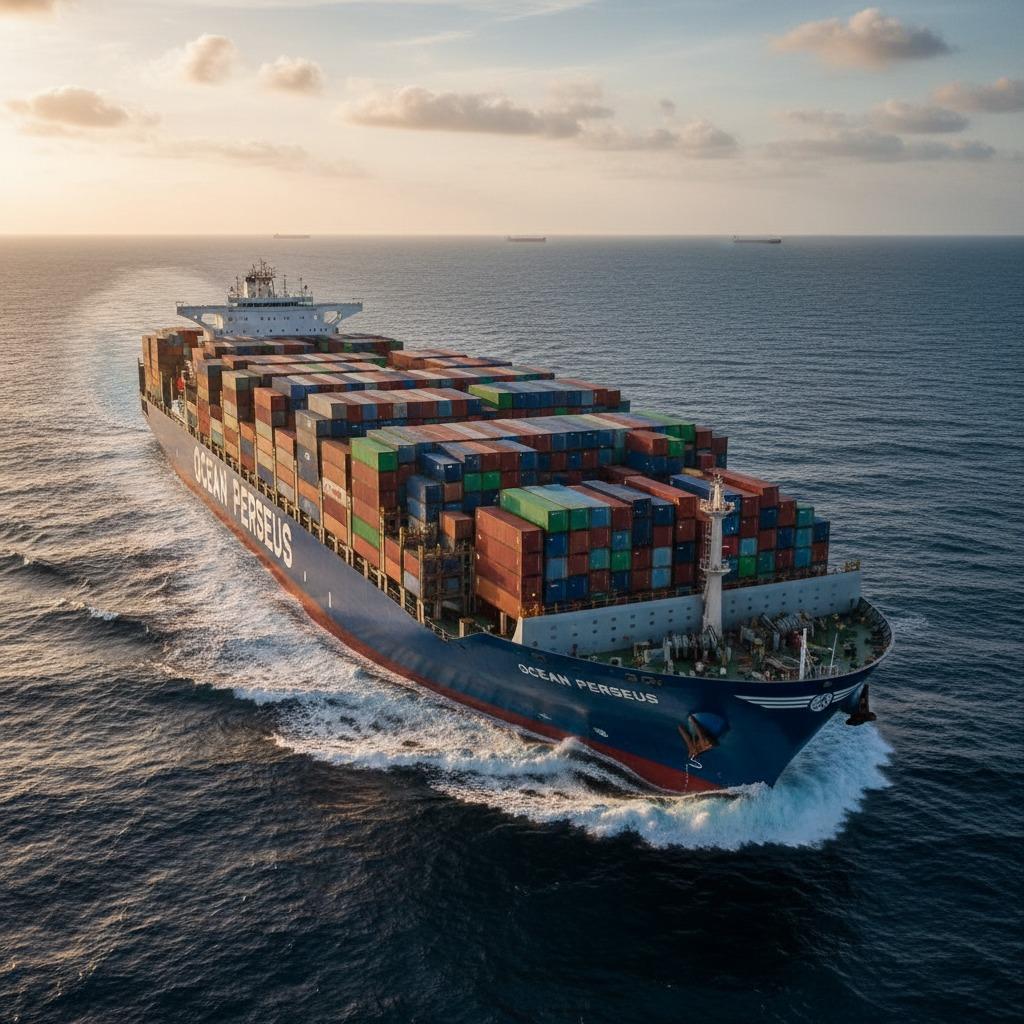
Logistics forms the backbone of global trade, orchestrating the seamless movement of goods from origin to destination with precision and efficiency. Imagine a colossal containership like the Ocean Perseus slicing through ocean waves, its decks stacked high with colorful containers brimming with everything from electronics to fresh produce. This vessel, a marvel from COSCO SHIPPING, exemplifies how logistics harnesses cutting-edge technology to connect economies worldwide. With a capacity for thousands of TEUs, it reduces water resistance through its streamlined design, ensuring fuel-efficient voyages that minimize environmental impact. As businesses strive for faster, greener supply chains, understanding logistics becomes essential for staying competitive in today's interconnected marketplace.
Key Features Driving Modern Logistics Efficiency
At the heart of effective logistics lies a blend of advanced design and eco-friendly innovations. The Ocean Perseus stands out with its sustainable fuel systems and energy-saving technologies, adhering to international standards while maintaining high speeds across vast trade routes. Picture the scene: a smaller tugboat deftly guiding this giant into harbor, highlighting the precise maneuverability that logistics demands in tight waterways. Versatility is another pillar; the diverse cargo containers onboard, standardized for security, allow for transporting a wide array of goods without compromise. Beyond sea freight, logistics extends to air transport, where sleek aircraft in striking blue hues ferry time-sensitive shipments with optimal efficiency. These services offer uncompromised safety through state-of-the-art tracking, scalability for everything from small packages to industrial loads, and round-the-clock support to keep operations humming smoothly.
Integrated Systems Revolutionizing Logistics
Logistics thrives on integrated systems that synchronize every stage from raw material acquisition to final delivery. Envision a graphic of this process: raw materials arriving via efficient rail networks to bustling production hubs, where they're transformed into finished products amid state-of-the-art facilities focused on sustainability. From there, goods branch out through multimodal networks—rail for mass shipments, aircraft for urgent consignments, and massive freight ships for ocean crossings—all monitored in real-time via IoT tracking for unparalleled transparency. Ports serve as vital integration points, seamlessly shifting cargo between transport modes, while reach stackers organize containers with swift precision. Even last-mile delivery gets a futuristic boost from drone technology, zipping packages to urban warehouses, retail outlets, and homes with minimal delay. This holistic approach not only cuts costs and boosts speed but also emphasizes green practices, like electric-powered vehicles, fostering a circular economy that connects global markets intelligently.
The Future of Logistics: Sustainability and Innovation
Looking ahead, logistics is evolving toward greater sustainability and technological prowess, redefining how we move the world's goods. The Ocean Perseus isn't just a ship; it's a symbol of progress, powering international shipping with reduced emissions and enhanced connectivity. Air freight services complement this by offering rapid, reliable solutions for businesses needing to outpace competitors. Integrated models ensure that from production to consumption, every link in the chain operates in harmony, minimizing waste and maximizing resource efficiency. As urban landscapes grow denser, innovations like drone deliveries and smart IoT systems will further streamline operations, making logistics not just efficient, but transformative. Whether navigating stormy seas or soaring skies, logistics continues to drive economies forward, ensuring that products reach consumers swiftly and sustainably. Embracing these advancements positions companies at the forefront of global trade, ready to meet the demands of tomorrow's marketplace.





