
Understanding the Essentials of Logistics in Modern Transportation
Logistics forms the backbone of efficient transportation systems worldwide, ensuring that goods, passengers, and services move seamlessly from origin to destination. In the realm of aviation and freight, logistics involves intricate coordination of resources, technology, and personnel to minimize delays and maximize reliability. For instance, at bustling airports, logistics orchestrates everything from aircraft docking to baggage handling, creating a symphony of operations that keeps global travel on track. This critical discipline not only optimizes costs but also enhances safety and customer satisfaction in high-stakes environments.
The Role of Logistics in Airport Ground Handling
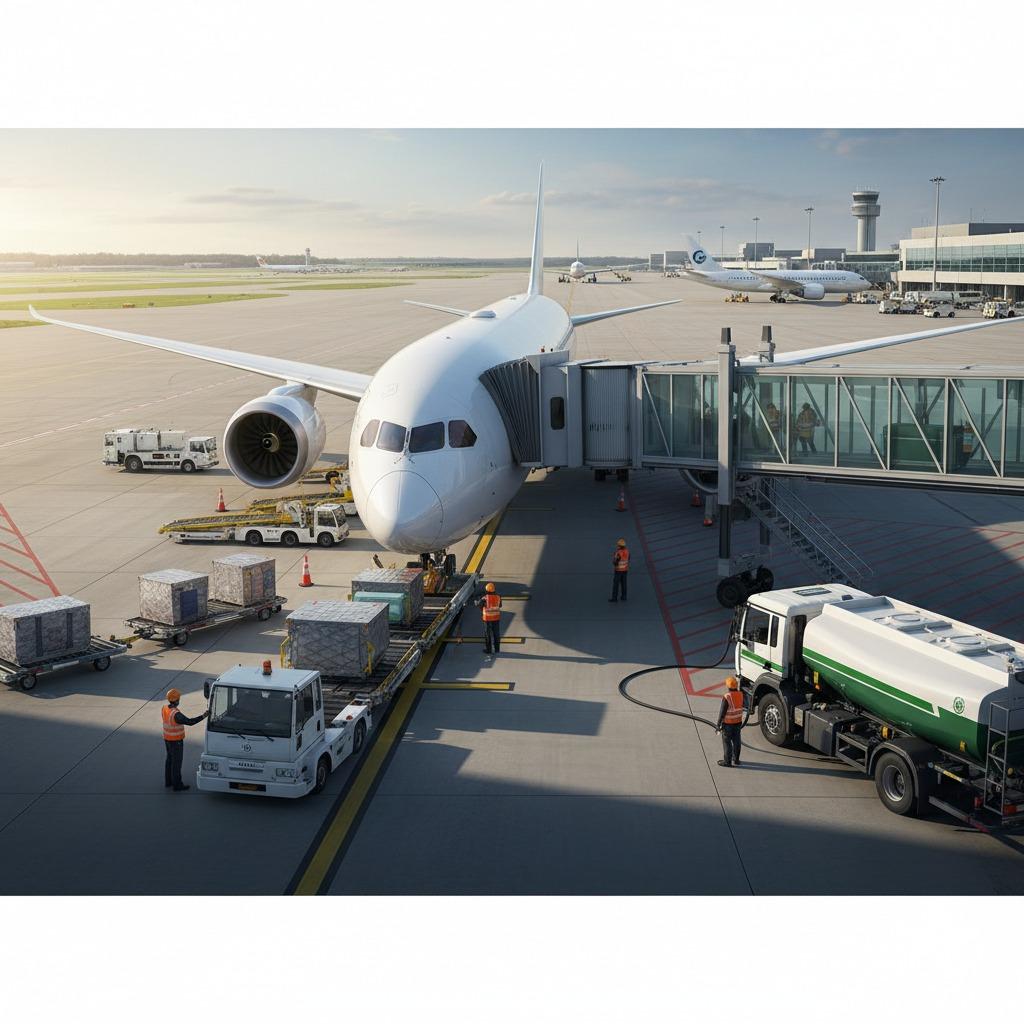
Airport ground handling exemplifies how logistics integrates multiple components for flawless execution. Consider the aircraft docking system, where planes align precisely with jet bridges for smooth passenger boarding and disembarkation. This process relies on automated technologies that ensure accuracy, reducing turnaround times and allowing airlines to maintain tight schedules. Baggage loading vehicles equipped with advanced conveyor systems further streamline logistics by transferring luggage efficiently between cargo holds and terminals. These robust machines handle high volumes with durability, preventing bottlenecks during peak hours. Similarly, fueling units with high-capacity tankers deliver quick, safe refueling while adhering to strict safety protocols, a testament to logistics' focus on precision and compliance. Ground crew management plays a pivotal role, with skilled teams in high-visibility gear overseeing loading, fueling, and maintenance. Their synchronized efforts highlight the human element in logistics, fostering productivity in both passenger and cargo operations. Cargo transfer systems, using strategically placed carts, ensure minimal disruptions, making logistics indispensable for large-scale airports aiming for operational excellence and passenger satisfaction.
Advanced Aircraft Technology and Logistics Integration
Logistics extends beyond ground operations into the very design of aircraft, where innovation meets transportation needs. Modern commercial airliners feature sleek, aerodynamic designs with twin-engine configurations that optimize fuel consumption, aligning with eco-friendly logistics goals. Constructed from advanced composite materials, these planes reduce weight while boosting durability, enabling reliable performance across diverse flight conditions. Inside, spacious cabins with noise reduction and superior air filtration systems elevate passenger comfort, directly supporting logistics by minimizing in-flight disruptions. Cutting-edge avionics provide precise navigation, enhancing safety and adaptability—key aspects of efficient logistics in aviation. This integration of technology ensures that aircraft not only perform exceptionally but also contribute to streamlined supply chains, from manufacturing to global delivery routes. By redefining air travel, such advancements set new standards for logistics, making transportation more sustainable and cost-effective for airlines worldwide.
Heavy-Duty Trucks: Powering Freight Logistics on the Ground
In freight transport, logistics shines through heavy-duty container trucks engineered for long-haul reliability. These vehicles boast high-performance engines and advanced drivetrains, delivering power for heavy cargo while prioritizing fuel efficiency—a core principle of modern logistics. Their versatile flatbeds and container locks accommodate various freight sizes, ensuring secure handling across domestic and international routes. Aerodynamic cab designs cut air resistance, promoting eco-friendly operations that lower costs and environmental impact. Safety features like advanced braking, stability control, and collision mitigation make these trucks ideal for challenging terrains, underscoring logistics' emphasis on dependability. Compatible with global standards, as seen with branded containers from companies like COSCO, they facilitate seamless trade in industries from shipping to manufacturing. Logistics in this context transforms potential chaos into organized efficiency, supporting warehousing, distribution, and just-in-time delivery models that drive economic growth.
The Future of Logistics: Trends and Innovations
Looking ahead, logistics continues to evolve with digital tools and automation reshaping transportation landscapes. Real-time tracking systems, powered by AI and IoT, provide unprecedented visibility into supply chains, allowing for proactive adjustments in airport operations or truck fleets. Sustainability drives innovations like electric fueling units and hybrid aircraft, aligning logistics with global environmental mandates. Data analytics further refines routes and resource allocation, reducing waste and enhancing resilience against disruptions such as weather events. As industries integrate these technologies, logistics will remain the linchpin of efficient, safe, and innovative transportation, powering everything from daily commutes to international commerce.





